
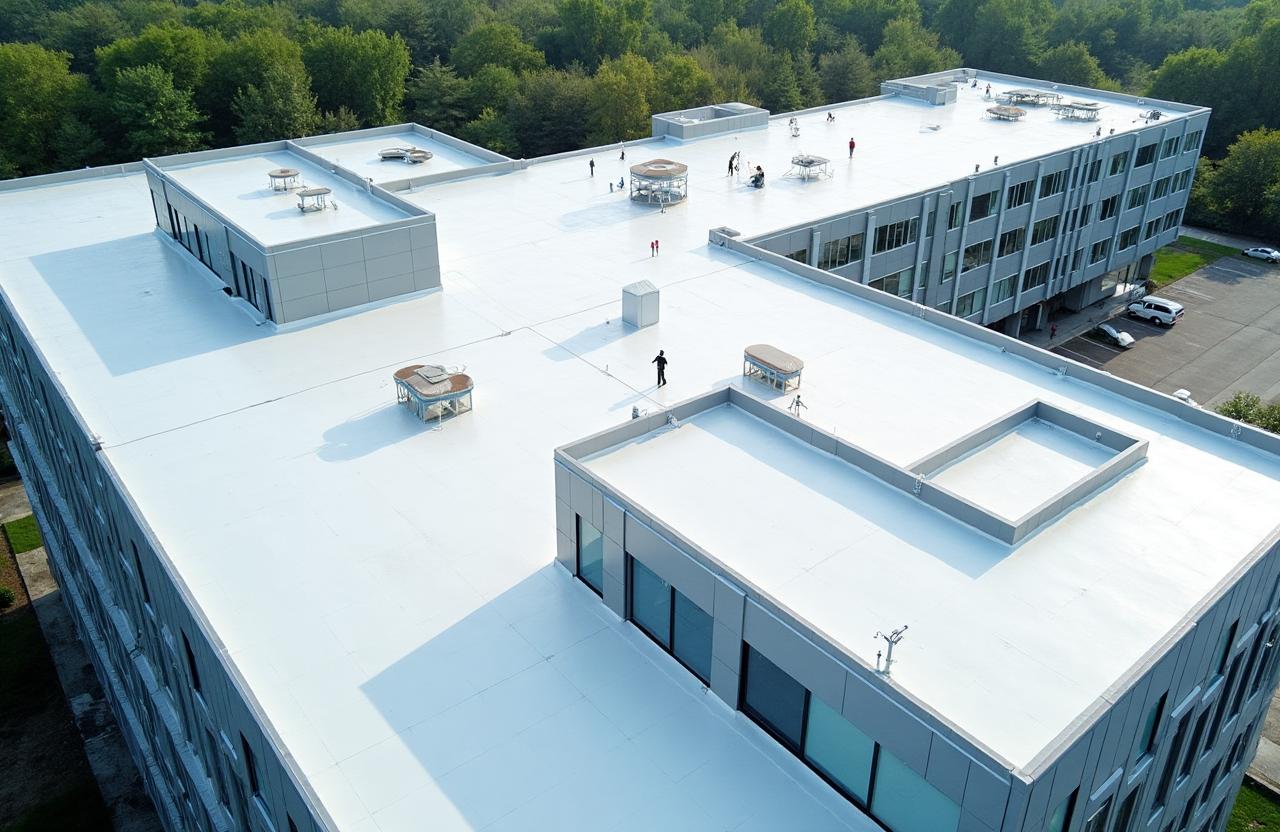
Commercial PVC Roofing Systems
Premium Single-Ply Membrane Performance
TriVAN installs and repairs commercial PVC roofing systems in Texas and Oklahoma. Compare membrane options, review your existing roof, and get an installation scope from a Duro-Last Master Contractor.
What Is Commercial PVC Roofing? (Single-Ply Membrane Explained)
Commercial PVC roofing is a single-ply membrane made from polyvinyl chloride that is heat-welded into a watertight, chemical-resistant, fire-rated roof system. It typically lasts 20–30 years, reflects sunlight to lower cooling costs, and is the preferred roofing material for restaurants, manufacturing plants, and other low-slope commercial buildings across Texas and Oklahoma.
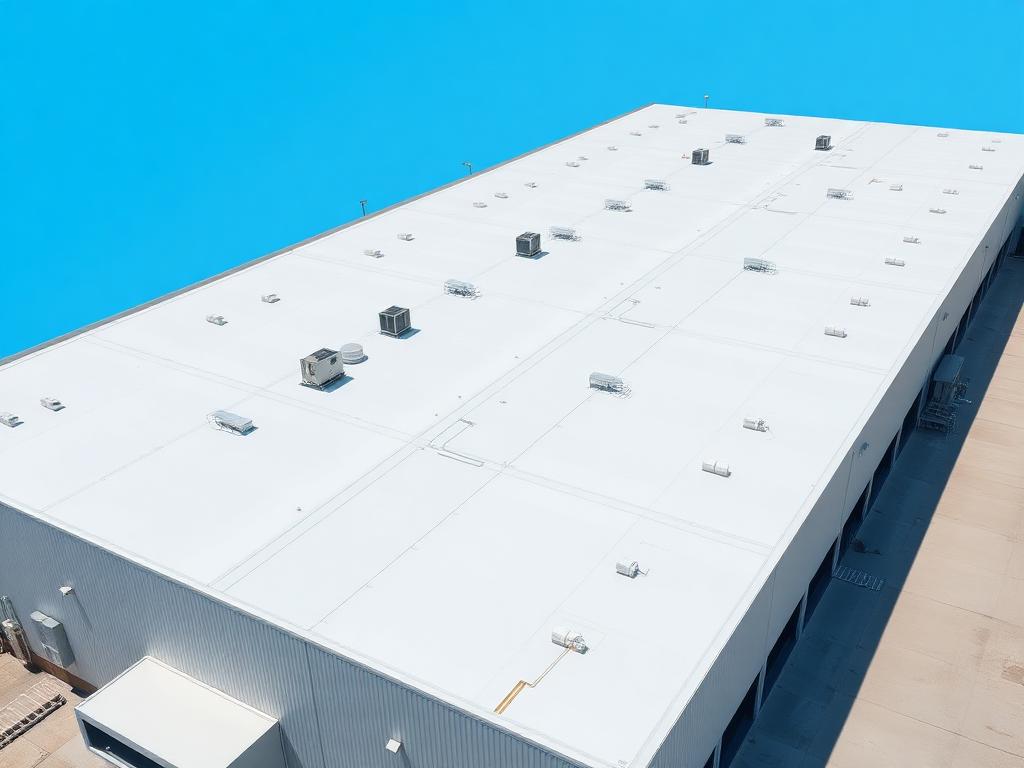
40+ Years of Proven Performance
A PVC roof system is composed of several layers including a weather-resistant top layer, a reinforcing polyester scrim, and a bottom layer that adheres to the substrate. This construction provides excellent protection against water infiltration and UV damage, making it a leading choice for flat and low slope roofing applications and a strong upgrade from aging built-up or modified bitumen roofs.
Many property owners face challenges such as leaks, high energy costs, and ongoing maintenance issues with traditional commercial flat roofing systems. PVC roofing solves these problems with heat-welded seams that are inspected and tested during installation, and a reflective surface that cuts cooling loads in the Texas/Oklahoma heat. With over 40 years of proven field performance, PVC remains the gold standard for chemical-exposed and high-performance commercial roofs.
As Texas and Oklahoma's premier commercial roofing contractor, TriVAN Roofing specializes in certified PVC roofing systems , including Duro-Last PVC , for businesses across Dallas-Fort Worth, Oklahoma City, Tulsa, and San Antonio.
Benefits of Commercial PVC Roofing
Discover why PVC roofing systems are the preferred choice for commercial properties requiring superior performance and longevity.
Durability & Longevity
PVC roofing is known for its exceptional durability, with an average lifespan of 20 to 30 years when properly installed and maintained. Its resistance to environmental factors such as UV rays, extreme temperatures, and high winds contributes to its longevity.
Chemical & Grease Resistance
One of the standout features of PVC roofing is its excellent chemical resistance. It can withstand exposure to various chemicals, oils, and greases, making it ideal for restaurants and industrial facilities.
Energy Efficiency
PVC membranes feature highly reflective surfaces that reduce heat absorption, lowering cooling costs significantly, especially important for commercial roofing in hot Texas and Oklahoma summers.
Fire Safety
Selected PVC roof assemblies can achieve Class A fire ratings. Confirm the rating for the complete tested assembly, including deck and insulation, rather than assuming it applies to every membrane installation.
See PVC Fire Resistance in Action
Watch how Duro-Last PVC demonstrates exceptional fire resistance compared to TPO and EPDM membranes, self-extinguishing within seconds while other materials continue to burn.
PVC Roofing Installation Methods
Our experienced commercial roofing team uses proven installation methods to ensure optimal performance of your PVC roof system.
Mechanically Attached
The membrane is fastened to the roof deck using screws and plates, providing a secure attachment ideal for high-wind areas common in Texas and Oklahoma.
Fully Adhered
The PVC membrane is glued directly to the substrate, offering a seamless and watertight finish with enhanced wind uplift resistance for your roofing system.
Ballasted
Weight such as gravel or pavers holds the membrane in place, allowing for easy installation and removal while protecting against UV degradation.
Why Heat-Welded Seams Matter
Heat-welded seams are a critical aspect of PVC roofing installation. This technique uses heat to fuse the edges of the membrane together, creating a strong, watertight bond that's actually stronger than the membrane itself. Unlike adhesive-based seams used in some other single-ply roofing systems, heat-welded seams maintain their integrity for decades.
Is a PVC Roof System Right for Your Building?
PVC is a candidate for low-slope roofs where restaurant grease or selected process exhaust affects material choice. Confirm chemical compatibility with the membrane manufacturer; PVC is not resistant to every substance. For general commercial buildings without those exposures, TPO may also be suitable.
Our assessment reviews roof layers, moisture, deck condition, drainage, rooftop equipment, and access. The proposal identifies the membrane, attachment method, insulation, flashing details, and warranty requirements. A dry, suitable existing assembly may allow a recover; trapped moisture or deteriorated decking can require removal.
Read our TPO vs. PVC comparison guide for the full material comparison. For operating requirements, use our warehouse PVC roofing page or manufacturing chemical-resistant roofing page.
PVC Roofing Costs & Long-Term Value
Understanding the total cost of ownership helps demonstrate the exceptional ROI of PVC roofing systems.
Cost Factors
Material Thickness
Thicker membranes cost more but offer better durability for your PVC roof
Installation Complexity
Roofs with multiple penetrations require more labor and materials
Geographic Location
Prices vary based on local labor rates across Texas and Oklahoma
Roof Size & Access
Larger roofs may qualify for volume discounts on roofing material
Return on Investment
The total cost of ownership for PVC roofing includes initial installation, maintenance, and energy savings over time. PVC roofs are known for their energy efficiency, leading to significant savings on heating and cooling costs.
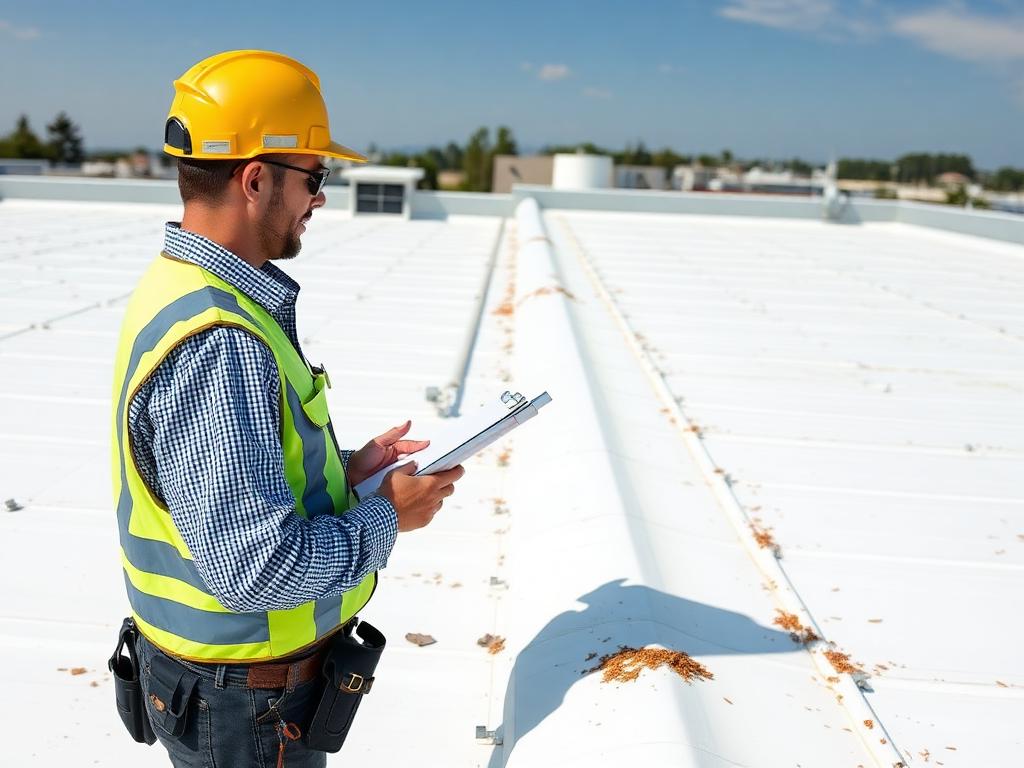
Regular inspections extend your roof's lifespan
Maintaining Your PVC Roof
Proper maintenance extends the lifespan of your PVC roofing system and protects your investment. Learn about our roof asset management services.
Routine Maintenance
Regular Inspections
Conduct visual inspections at least twice a year to identify signs of damage
Surface Cleaning
Keep the roof surface free of debris to prevent water pooling
Drain Maintenance
Ensure drains and gutters remain clear for proper water flow
Prompt Repairs
Address any issues as soon as they're detected to maintain integrity
Common Repair Techniques
Patching
Using PVC membrane patches to cover damaged areas with watertight seals
Seam Repairs
Re-welding or sealing compromised seams to prevent leaks
Flashing Replacement
Replacing worn flashing around roof penetrations
Coating Application
Applying protective coatings to extend membrane life
PVC Roof Planning in Texas & Oklahoma
In DFW and Oklahoma, review storm exposure and roof-edge attachment. For San Antonio restaurants, review exhaust compatibility and equipment access. The building address, not the membrane name alone, determines wind, drainage, and permit requirements.
Hail Impact
Review tested impact resistance for the complete assembly and its cover board, rather than relying on thickness alone. We serve Oklahoma City through DFW and into San Antonio. Pairs well with our hail-resistant roofing services.
100°+ Summer Heat
A bright-white PVC cool roof reflects up to 87% of solar energy, lowering rooftop temperatures by 50–60°F and cutting cooling demand for buildings in the Texas and Oklahoma sun.
Freeze-Thaw Cycles
Plasticizers keep PVC flexible from below 0°F to over 180°F surface temperature, so the membrane won't crack during sudden Texas/Oklahoma cold snaps and ice events.
High-Wind Uplift
Select a tested attachment and edge assembly for the building height, deck, and exposure. An approval rating is not a substitute for project-specific wind design.
PVC Membrane Thickness: 50, 60, or 80 Mil?
Membrane thickness drives durability, hail performance, and warranty length. Here's how to choose for your commercial property.
50 Mil
- Lowest first cost
- Confirm manufacturer warranty eligibility
- Best for short-hold buildings or budget-driven projects
60 Mil
- Best balance of cost & durability
- Review written NDL warranty options
- Recommended for most commercial buildings in TX/OK
80 Mil
- Maximum hail & puncture resistance
- Confirm coverage for the selected assembly
- Best for high-traffic roofs, owner-occupied buildings, hail-prone regions
Not sure which thickness fits your building? Schedule a free commercial roof inspection and we'll spec the right system.
PVC Roofing Manufacturers and Installation Support
TriVAN is a roofing contractor, not a membrane manufacturer or retail material supplier. We install manufacturer systems and help owners evaluate assembly specifications and warranty options. Our Duro-Last Master Contractor credential supports certified installation; warranty coverage depends on the selected system and written terms.
Duro-Last PVC
Custom-prefabricated PVC roofing. Learn about Duro-Last systems and manufacturer warranty options.
Carlisle PVC
Review Carlisle single-ply systems, including PVC options, and project-specific assembly requirements.
Johns Manville
Full single-ply, insulation, and accessories portfolio backed by long-term Peak Advantage warranties.
Frequently Asked Questions
What is a PVC roofing membrane?
A PVC (Polyvinyl Chloride) roofing membrane is a single-ply commercial roofing material made from polyvinyl chloride resin, plasticizers, and stabilizers. It consists of a weather-resistant top layer, a reinforcing polyester scrim, and a bottom layer that bonds to the substrate, providing excellent waterproofing, UV protection, and chemical resistance for low-slope commercial buildings.
How long does a PVC roof system last?
A properly installed and maintained PVC roofing system typically lasts 20 to 30 years. Its resistance to UV rays, ponding water, chemicals, and extreme temperature swings , common across Texas and Oklahoma , contributes to a longer service life than most other single-ply membranes.
What determines the installed cost of a commercial PVC roof?
Membrane thickness, tear-off or recover eligibility, insulation, deck repairs, access, and roof details affect the installed cost. TriVAN provides an itemized proposal after a free assessment so the price reflects your building and the chosen assembly.
Is PVC roofing a good choice for Texas heat and hail?
Yes. PVC's highly reflective white surface lowers rooftop temperatures and cooling loads in the Texas and Oklahoma sun, while reinforced 60–80 mil membranes resist hail impact and high wind uplift. Many PVC systems carry FM Approvals and UL 2218 Class 4 impact ratings, making them well suited to severe-weather regions like Dallas-Fort Worth, San Antonio, OKC, and Tulsa.
What are the benefits of PVC roofing for commercial buildings?
PVC roofing offers superior chemical and grease resistance, a Class A fire rating, energy savings from a reflective cool-roof surface, heat-welded watertight seams, flexibility in extreme temperatures, and low maintenance , making it ideal for restaurants, manufacturing, healthcare, warehouses, and convenience stores.
How does PVC compare to TPO and EPDM roofing?
PVC offers stronger chemical and grease resistance than TPO and significantly better UV resistance, reflectivity, and seam strength than EPDM. EPDM is typically the lowest first cost, TPO is mid-range, and PVC is the premium choice when chemical exposure, fire performance, or maximum lifespan matter most.
How do you select a PVC roofing membrane thickness?
50 mil is an entry-level option for short-hold buildings, 60 mil is the most common choice for commercial properties balancing cost and durability, and 80 mil is recommended for high-traffic roofs, hail-prone regions, and owner-occupied buildings where the longest possible warranty is desired.
Can a PVC roof be installed over an existing roof?
In many cases, yes. A PVC recover system can be installed over an existing single-ply or modified bitumen roof if the deck and insulation are dry and structurally sound, avoiding tear-off costs and disposal. A TriVAN inspection determines whether a recover or full replacement is the better long-term investment.
What warranty is available on a Duro-Last or PVC roof?
Manufacturer warranties on commercial PVC roofs typically range from 15 to 25 years, with NDL (No Dollar Limit) options available from manufacturers like Duro-Last when installed by certified contractors. TriVAN is a certified PVC installer and helps owners choose the warranty tier that matches their hold period.
Is PVC roofing recyclable and environmentally friendly?
Yes. PVC membranes can be recycled at the end of their service life and ground back into new roofing products. Combined with their reflective surface , which reduces cooling energy use , and 20–30 year lifespan, PVC roofs offer one of the lower lifetime carbon footprints among single-ply systems.
How do you repair a PVC roof leak?
Most PVC leaks are repaired by cleaning the area, cutting a matching PVC patch, and heat-welding it over the damaged section to create a permanent watertight bond. Compromised seams are re-welded and worn flashings are replaced. TriVAN's roof asset management program includes documented inspections and repairs to extend membrane life.
Industries We Serve
PVC roofing is ideal for a wide range of commercial and industrial applications.




Ready for Premium PVC Roofing?
Contact TriVAN Roofing today for a free consultation and quote on your commercial roofing project. Serving Dallas-Fort Worth, Oklahoma City, Tulsa, and San Antonio.