
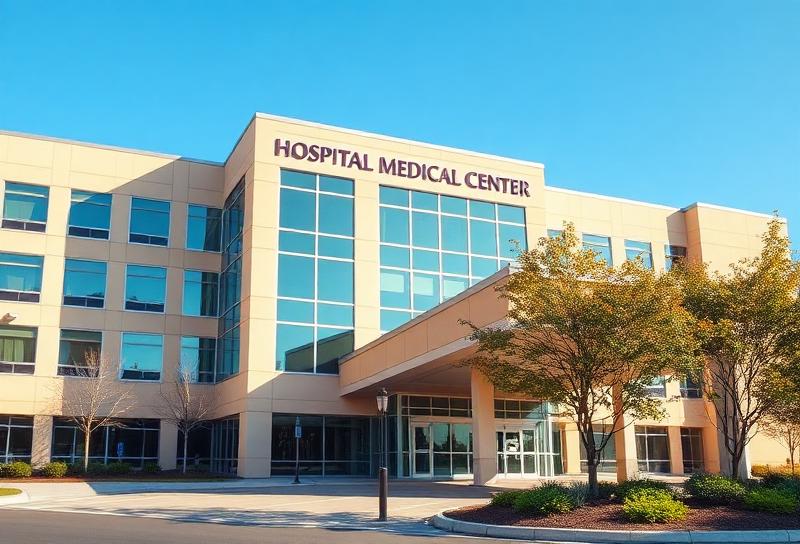
Medical & Healthcare Roofing
Critical Infrastructure Protection for Patient Care
Specialized roofing solutions for hospitals, clinics, and healthcare centers with patient safety, infection control protocols, and 24/7 operational continuity as top priorities
Understanding Healthcare Roofing Challenges
Healthcare facilities face roofing challenges unlike any other commercial property type. The combination of 24/7 critical operations, vulnerable patient populations, strict regulatory compliance requirements, and life-safety systems create unique constraints for roofing projects.
For facility managers, directors of plant operations, and healthcare administrators in Texas and Oklahoma, roofing decisions carry implications beyond weather protection. Patient safety is paramount. Infection control protocols can't be compromised. Critical care units operate continuously. Emergency departments must remain functional.
One roof leak in the wrong location can trigger regulatory action, compromise sterile environments, or affect patient outcomes. Healthcare roofing requires contractors who understand that hospitals aren't just buildings. They're critical infrastructure serving the most vulnerable members of our communities.
June 2023 DFW hail losses - healthcare facilities severely impacted
Critical operations require continuous weather protection
Impact-resistant systems prevent service disruption
The 24/7 Healthcare Operations Reality
Hospitals and emergency departments never close, so roofing work must happen around patient care
Continuous Critical Operations
- Installation happens around patient care schedules
- ICU, surgical suites, and ED can't be disrupted
- HVAC systems often can't be shut down for extended periods
- Weather protection maintained continuously, no shortcuts
Patient Safety & Vulnerability
- Immunocompromised patients susceptible to air quality impacts
- Noise affects patient recovery and rest
- Temperature fluctuations from HVAC interruptions
- Post-surgical and newborn patients require extra sensitivity
Regulatory Compliance & Accreditation
Healthcare roofing must meet stringent regulatory requirements affecting facility licensure
Joint Commission Standards
Environment of Care requirements, life safety systems, infection control documentation, patient safety risk assessments
State Licensing
Texas and Oklahoma healthcare facility regulations addressing facility conditions and patient care environments
ICRA Compliance
Infection Control Risk Assessment protocols with proper barriers, negative pressure, and HEPA filtration
CMS Requirements
Medicare/Medicaid facility condition standards affecting reimbursement and certification
Common Survey Findings Related to Roofing
- • Ceiling stains indicating roof leaks
- • Damaged ceiling tiles in patient areas
- • Mold or moisture problems from roof failure
- • HVAC contamination from roof work
- • Inadequate interim life safety measures
- • Missing construction documentation
Roofing Systems for Healthcare Facilities
System selection based on facility type, patient acuity, and long-term ownership plans
TPO Systems
Most PopularCost Range
$5.50-$7.00/sq ft
Service Life
15-20 years
Heat-welded seams minimize odor concerns. White reflective surface reduces cooling loads significantly.
Best For:
Medical office buildings, outpatient clinics, hospital support buildings, ambulatory surgery centers
PVC Membranes
Premium ChoiceCost Range
$6.50-$9.00/sq ft
Service Life
20-30 years
Superior chemical resistance and enhanced durability. Longest proven track record of single-ply membranes.
Best For:
Main hospital buildings, critical care facilities, buildings with commercial kitchens, flagship campuses
Standing Seam Metal
Long-Term InvestmentCost Range
$10-$12/sq ft
Service Life
40-50+ years
Eliminates replacement during typical building lifespan. Excellent hail resistance for Texas and Oklahoma.
Best For:
New hospital construction, flagship medical centers, facilities planning 40+ year ownership, high-hail areas
EPDM Rubber
Budget OptionCost Range
$4.50-$6.00/sq ft
Service Life
15-20 years
Lowest installed cost for budget-constrained projects. Proven performance in commercial applications.
Best For:
Medical office buildings with budget constraints, administrative buildings, storage facilities
Specialized Healthcare Facility Types
Each facility type presents unique roofing challenges requiring specialized approaches
Acute Care Hospitals
24/7 emergency departments, surgical suites, critical care units with complex HVAC and regulatory requirements
Ambulatory Surgery Centers
Sterile environments with Monday-Friday operations offering better scheduling flexibility
Medical Office Buildings
Physician practices with business hours operation and professional appearance requirements
Long-Term Care Facilities
Nursing homes housing vulnerable elderly populations requiring extra sensitivity to disruption
Behavioral Health Facilities
Psychiatric hospitals with security requirements and specialized patient care protocols
Specialty Clinics
Dialysis centers, cancer treatment facilities, and specialty practices with unique operational needs
Infection Control During Roofing Projects
ICRA (Infection Control Risk Assessment) protocols protect patient environments
Class 1-2: Lower Risk
- • Inspection and non-invasive activities
- • Small work above ceiling not generating dust
- • Basic containment and dust control
- • Most exterior roofing work falls here
Class 3-4: Higher Risk
- • Work near OR, ICU, transplant units
- • Complete physical isolation required
- • Negative air pressure and HEPA filtration
- • Environmental monitoring throughout
Practical Infection Control Measures
Physical Barriers
- • Plastic sheeting sealed to prevent air leakage
- • Anteroom entry preventing direct access
- • HEPA filtration removing particles
Work Restrictions
- • Schedule invasive work during low-census periods
- • Enhanced cleaning in adjacent areas
- • Continuous environmental monitoring
Lifecycle Cost Optimization
Healthcare facilities' long ownership timelines (30-50+ years) favor analyzing total lifecycle costs
| System (100,000 sq ft) | Initial Cost | Service Life | Replacement | 30-Year Total |
|---|---|---|---|---|
| Standard TPO | $650,000 | 18 years | $825,000 at year 18 | $1,835,000 |
| Premium PVC | $800,000 | 25 years | $1,050,000 at year 25 | $1,730,000 |
| Standing Seam MetalLowest Total | $1,100,000 | 50+ years | No replacement needed | $1,550,000 |
* Includes maintenance costs and energy savings. Metal systems often represent best value for long-term healthcare facility ownership despite higher initial investment.
Hail Protection for Healthcare Facilities
Healthcare facilities can't simply "shut down for repairs" after major hail events
Business Continuity Imperative
- June 2023 DFW: $7-10B in losses, multiple healthcare facilities damaged
- May 2024: $2.3B damage affected healthcare across region
- Some facilities diverted patients during emergency repairs
Class 4 Systems for Healthcare
- Add 15-20% to project cost for comprehensive protection
- Protect patient care continuity during severe weather
- Standing seam metal provides 40-50 year hail-resistant service
Preventive Maintenance Programs
Healthcare facilities should approach roofing with the same preventive philosophy applied to medical equipment
Semi-Annual Inspections
Spring and fall assessments, drain cleaning, penetration evaluation
Post-Weather Assessment
Rapid evaluation after hail, high winds, or heavy rain events
Annual Professional Review
Comprehensive assessment with lifecycle planning recommendations
Budget Recommendation
$0.10-$0.15 per square foot annually for comprehensive maintenance. For a 100,000 sq ft hospital building, budget $10,000-$15,000 annually. This investment prevents emergency failures that risk patient safety and regulatory compliance.
Priority Emergency Response
Healthcare facilities can't afford downtime. Our emergency response team is on call to address critical roofing issues that could impact patient care or facility operations.
Priority
Emergency Dispatch
100%
Joint Commission Compliant
ICRA
Certified Protocols
TIPS Cooperative Purchasing for Healthcare Facilities
Public hospitals, county health departments, and community health centers in Texas and Oklahoma can fast-track roofing procurement through TIPS. When you have a critical roof issue affecting patient care, you don't have time for a 90-day procurement process. TriVAN's active TIPS contracts let you move quickly while staying fully compliant.
Learn About TIPS Purchasing →Frequently Asked Questions
Our Professional Certifications




Protect Your Healthcare Facility
Contact us for a comprehensive assessment of your medical facility's roofing needs with infection control expertise
Healthcare Facility Specialties
Niche pages with deeper guidance for each healthcare facility type we reroof.
Acute Care Hospitals
24/7 phased reroofs with full ICRA and life-safety coordination
Ambulatory Surgery Centers
Sterile-suite protection with weekend and evening scheduling
Medical Office Buildings
MOB reroofs sequenced around clinic hours and tenant leases
Long-Term Care Facilities
Nursing home reroofs with quiet, resident-aware sequencing
Behavioral Health Facilities
Secure-perimeter roofing with ligature-safe access controls
Specialty Clinics
Oncology, cardiology, and imaging clinics with equipment-safe scheduling
Urgent Care Clinics
Fast-track reroofs with after-hours crews and minimal downtime
Dialysis Centers
Treatment-day-safe roofing with PVC over water treatment rooms
From acute care hospitals and ambulatory surgery centers to medical office buildings, long-term care, behavioral health, specialty clinics, urgent care, and dialysis centers.