
Discover the Advantages of PVC Roofing Systems Today
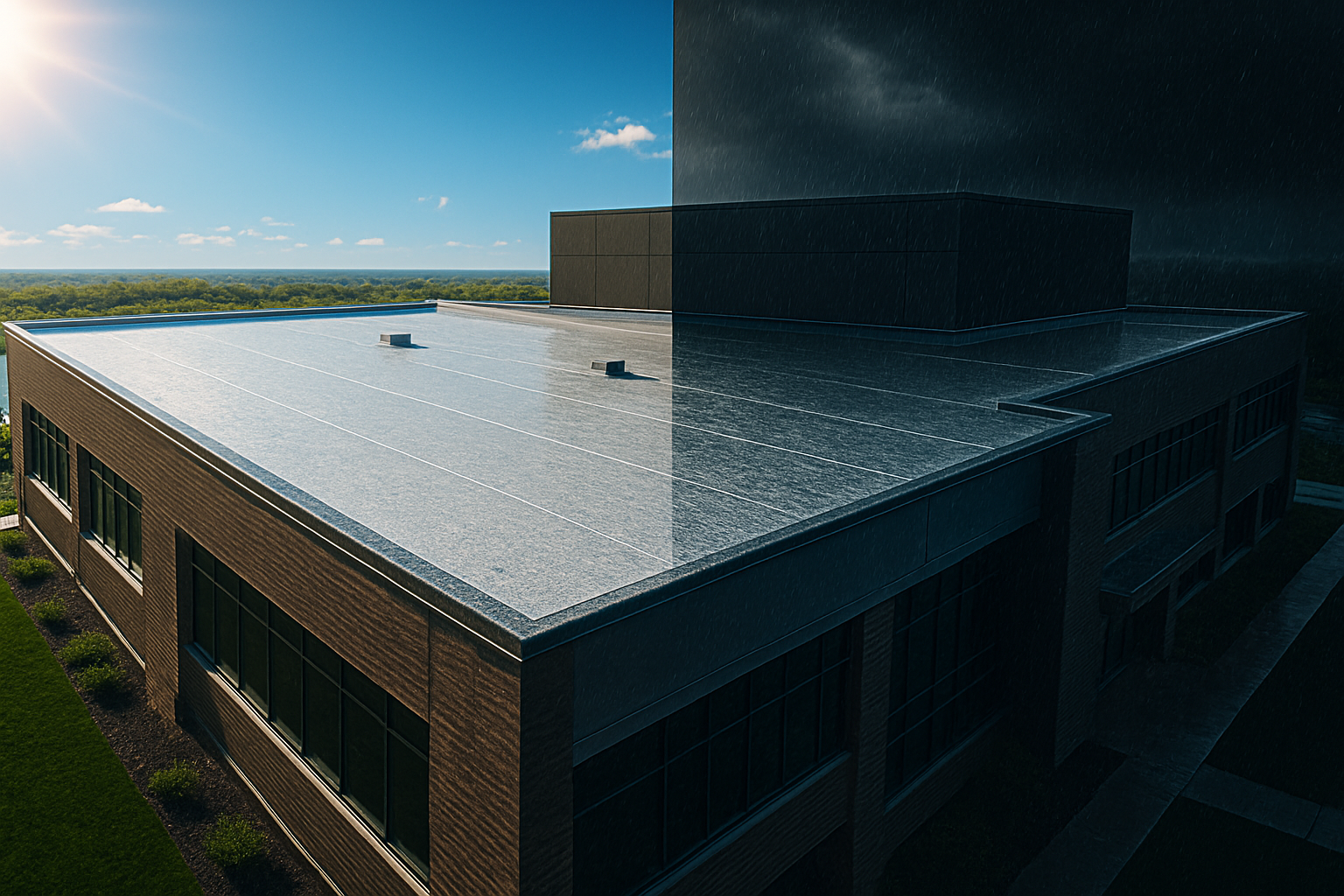
PVC commercial roofing systems offer long-lasting durability, energy efficiency, and chemical resistance—ideal for demanding flat-roof environments. Learn how hot-air welded seams, reflective surfaces, and smart design cut costs and extend roof life.
Assessing Whether PVC Fits Your Building
This benefits overview helps owners identify questions about rooftop grease, process exhaust, reflectivity, and roof condition. Confirm chemical compatibility and tested assembly performance with the manufacturer rather than assuming every PVC membrane suits every exposure. For project scoping, see our PVC roofing assessment and installation services. For more detail on seams and maintenance, read our PVC membrane performance guide.
PVC commercial roofing systems are single‑ply membranes built to protect flat commercial roofs for the long haul while cutting energy costs and resisting chemicals. Below we explain why PVC is a reliable option for businesses that need tough seams, cool‑roof performance, and low maintenance. Many owners face frequent repairs, grease or chemical exposure, and high cooling bills—PVC tackles those problems with hot‑air welded seams, reflective surfaces, and materials that hold their tensile strength over time. Read on for the key benefits, energy‑saving mechanics, resistance and safety features, objective comparisons with TPO and EPDM, installation and maintenance best practices, and how to request a free expert estimate. We use common industry terms—solar reflectance, SRI, Class A fire rating, hot‑air welding—so you can compare systems confidently.
Key Benefits of PVC Roofing for Commercial Properties
PVC combines long service life, strong chemical resistance, and solid energy performance—qualities that fit many commercial settings. Its material makeup and manufacturing produce a membrane with good tensile strength and flexibility, while hot‑air welded seams create continuous, watertight joins that cut leak risk. Properly specified and installed PVC assemblies typically deliver 20–30 years of service life, fewer emergency repairs, and steadier lifecycle costs. Use the list below to match PVC’s strengths to your building’s needs.
-
Long Lifespan and Durability: PVC resists punctures and keeps tensile strength under load.
-
Chemical and Grease Resistance: Works well on roofs exposed to restaurant exhaust and industrial emissions.
-
Cool‑Roof Energy Savings: White PVC reflects sunlight and reduces rooftop heat gain.
-
Fire and Weather Performance: Proper assemblies can achieve a Class A fire rating and resist wind uplift.
Those advantages translate directly into lower operating costs and fewer service disruptions—details we cover in the sections that follow.
How PVC Roofing Delivers Durability and Longevity
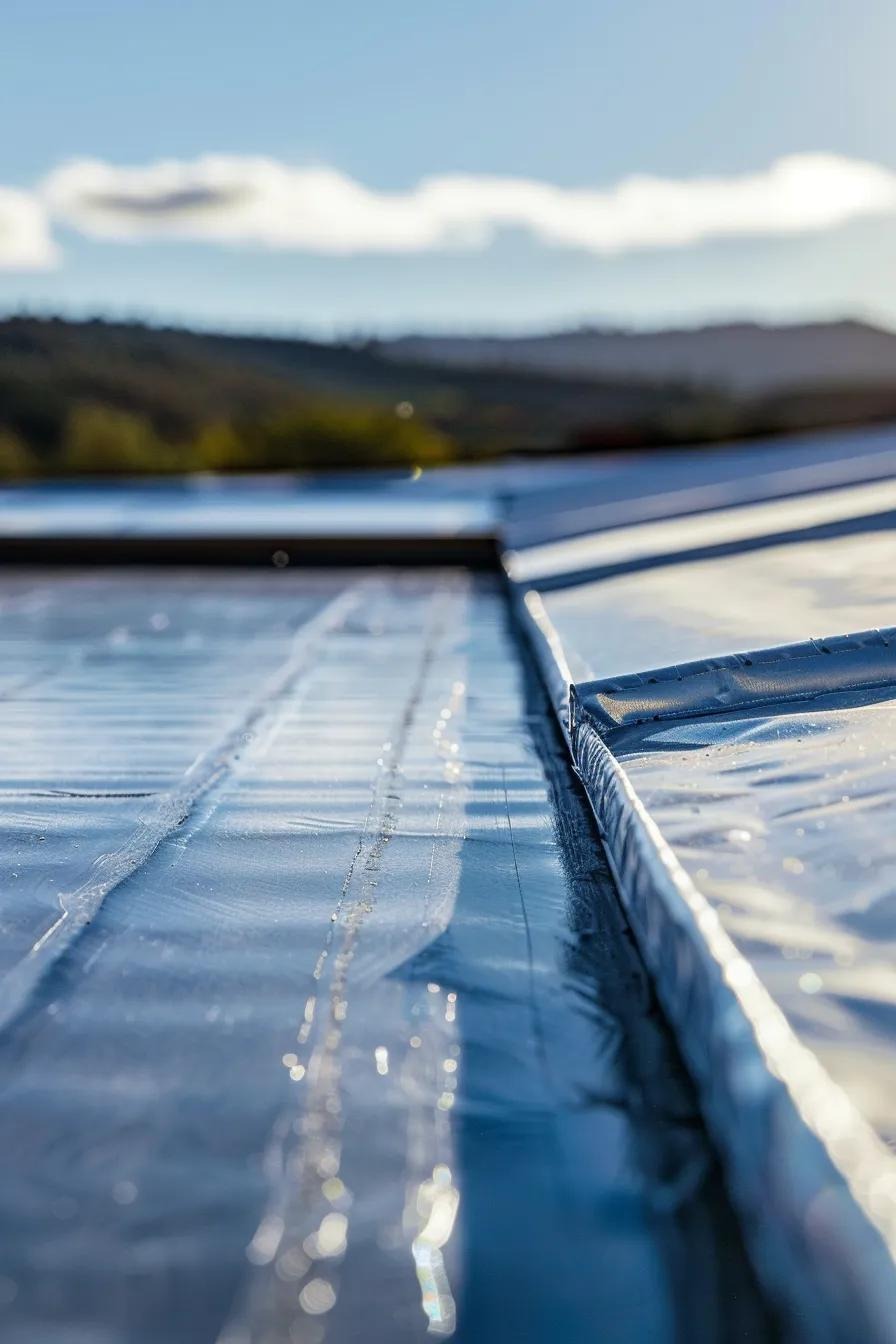
PVC’s durability comes from its polymer formulation, reinforced scrims, and quality seam welding. Together these elements resist tearing, puncture, and dimensional changes. The membrane’s strength and flexibility let it move with temperature shifts while keeping fasteners or adhesives secure, which helps the roof last for decades. Hot‑air welded seams are especially important—by fusing membrane edges instead of relying on adhesives, welds reduce long‑term seam failure and water entry. For well‑installed systems, many owners can expect a 20–30 year service life.
Why PVC Works Well in Harsh Environments
PVC’s chemical resistance and grease tolerance make it a natural fit for restaurants, food‑prep facilities, and industrial sites where exhaust vents expose membranes to oils and solvents. The polymer structure repels common hydrocarbons and resists the degradation that can cause leaks in other membranes. That means fewer repairs, less downtime, and better lifecycle economics for facilities with corrosive or grease‑prone exposures. Next, we’ll look at how reflective membranes cut energy costs.
How PVC Roofing Cuts Energy Use and Lowers Building Costs
White and high‑reflectance PVC membranes lower roof surface temperatures by reflecting solar radiation and improving emissivity, which reduces heat transfer into conditioned spaces. That cuts peak HVAC demand and daily cooling energy—particularly valuable in hot climates where cooling drives costs. When you combine a reflective membrane with the right insulation, the initial material premium is often offset by lower energy bills and reduced thermal stress on equipment. The table below gives representative solar reflectance ranges and estimated cooling savings to help quantify those benefits.
Different PVC formulations and system assemblies deliver measurable cooling savings depending on reflectivity and insulation choices.
The table shows how membrane selection and insulation work together to produce savings; the following paragraphs explain the cool‑roof metrics behind those numbers.
Cool‑Roof Properties of PVC Membranes
Cool‑roof performance is measured by solar reflectance and emissivity; together they form the Solar Reflectance Index (SRI), which predicts how hot the roof surface will run. White PVC reflects a large share of solar energy and re‑emits absorbed heat efficiently, lowering surface temperatures and conductive heat flow into the building. That reduces peak HVAC loads, improves comfort around rooftop spaces, and can lengthen the life of rooftop equipment by reducing thermal cycling. Quantifying reflectivity helps facility teams estimate energy savings and choose the right membrane for their specs.
PVC’s Role in Environmental Sustainability
PVC’s reflective properties cut cooling energy and the associated carbon emissions in cooling‑intensive climates, supporting sustainability targets and corporate energy plans. Some manufacturers offer recycling or take‑back programs for removed membranes, and PVC’s long service life lowers material turnover compared with shorter‑lived options. That said, a full lifecycle analysis—covering manufacturing, transport, and end‑of‑life—provides the best view of environmental trade‑offs so owners can balance operational savings with sustainability goals and regulations.
Safety and Resistance: How PVC Outperforms Other Commercial Roofs
PVC delivers strong safety and resistance through its chemistry and assembly practices, improving fire performance, chemical tolerance, and wind uplift resilience. When paired with appropriate insulation and cover boards, PVC assemblies can meet Class A fire standards; welded seams and membrane flexibility also resist wind‑induced stresses. These attributes make PVC a practical choice for buildings where fire performance, rooftop exposure, and equipment loads matter. Below are the key safety and resistance features for commercial owners to consider.
-
Class A Fire Rating Potential: Assemblies designed to standard testing protocols can achieve top‑tier fire performance.
-
Chemical and Grease Resistance: The membrane resists common rooftop contaminants that accelerate deterioration.
-
Wind Uplift and Thermal Flexibility: Welded seams and flexible membranes hold up under thermal cycling and wind loads.
Those points lead into a closer look at how Class A ratings are achieved and why chemical resistance matters in operational settings.
How PVC Roofing Helps Achieve a Class A Fire Rating
Class A is the highest fire‑performance category for roof coverings. PVC membranes can be part of Class A assemblies when combined with compatible insulation and cover boards. The polymer formulation reduces flame spread and resists ignition in standard tests, but system performance depends on substrate, fasteners, flashings, and overall assembly design. Following ASTM test methods and NRCA guidance during specification and installation helps ensure your roof meets required fire objectives.
Why PVC Is Highly Resistant to Chemicals and Grease
PVC’s molecular makeup, stabilizers, and additives make it less vulnerable to common hydrocarbons, oils, and mild chemical exposure that can damage other membranes. On roofs with cooking exhausts, chemical vents, or solvent emissions, PVC resists softening and perforation that often lead to leaks on other materials. That resistance cuts repair frequency and maintenance labor—especially important for commercial kitchens and industrial facilities—resulting in more predictable service intervals and lower lifecycle maintenance costs.
How PVC Compares to TPO and EPDM for Commercial Use
Choosing between PVC, TPO, and EPDM comes down to seams, chemical resistance, energy performance, lifespan, and cost. PVC stands out for hot‑air welded seams and superior grease/chemical resistance; TPO offers competitive reflectivity at often lower cost; EPDM is a lower‑cost option with proven longevity in certain climates. The comparison table below outlines core attributes to help you match membrane choice to facility needs.
This side‑by‑side snapshot shows where PVC adds value and where other membranes may suit tighter budgets or different installation preferences. The next section breaks down those trade‑offs in practical terms.
Advantages of PVC Over TPO and EPDM
PVC is the better choice where grease resistance, seam reliability, and cool‑roof performance matter most—thanks largely to hot‑air welded seams and material chemistry that tolerates hydrocarbons. TPO can match reflectivity at a lower price in some cases, but long‑term seam performance concerns have been reported in certain installations. EPDM is attractive for low upfront cost and good durability in some climates, but its seams and lower reflectivity make it less ideal for grease‑prone or energy‑focused applications. Use these distinctions to match membrane selection to your facility’s risk profile and budget.
Which Properties Gain the Most from PVC?
Restaurants, food processing centers, warehouses with chemical exposure, and facilities in hot climates often benefit most from PVC. Choose PVC when you need resistance to oils/grease, high solar reflectance, and long‑term seam reliability to minimize downtime. Buildings with tight capital budgets and low contaminant exposure may still consider TPO or EPDM after a lifecycle cost review. For many owners, a local expert assessment confirms the best membrane for their building and operations.
TriVAN Roofing is a licensed commercial roofing specialist serving Texas and Oklahoma since 2001. We advise on membrane selection and provide site‑specific recommendations that account for exposure, energy goals, and budget. We specialize in flat roofing and standing seam metal systems and offer PVC Commercial Roofing Systems that emphasize hot‑air welded seams, chemical resistance, Class A fire rating potential, and 20–30 year lifespan expectations. If you’re comparing membranes, request an on‑site assessment so we can recommend the right system for your facility.
Installation and Maintenance Essentials for PVC Commercial Roofs
Professional installation and regular maintenance are critical to capture PVC’s performance and lifespan. Key services include pre‑install assessments, proper deck preparation and coverboard selection, membrane installation with hot‑air welded seams, and post‑install quality checks such as seam testing and flashing inspection. Routine inspections and preventative maintenance keep small issues from becoming major repairs and extend the assembly’s effective life. The table below outlines typical service elements, recommended frequency, and how each activity affects lifespan and ROI for commercial PVC roofs.
Below is a practical schedule of service elements and their impact on long‑term performance.
This breakdown helps building owners budget and prioritize maintenance actions that protect asset value and keep operations running.
Professional Installation Process for PVC Roofing
A professional PVC installation starts with a full assessment of the roof deck, drainage, and existing conditions to determine substrate prep and insulation needs. The crew then prepares the deck, installs cover boards and insulation to the specified R‑value, and lays the PVC membrane following the assembly design. Critical workmanship steps include precise hot‑air welding of seams, careful flashing around penetrations, and final QA testing of welds and drainage. Hiring certified contractors and verifying seam welding techniques are key to avoiding premature failures and protecting warranties.
How Regular Maintenance Protects Lifespan and ROI
A disciplined maintenance program—annual inspections, debris removal, flashing checks, and prompt repairs—keeps small problems from turning into costly replacements and preserves energy performance by keeping reflective surfaces clean. Regular maintenance lowers the risk of water infiltration that damages insulation and decking, protecting the building and reducing lifecycle costs. Facility managers should document inspections, prioritize seam and flashing repairs, and schedule preventative maintenance to meet warranty terms. Combining expert installation with ongoing care delivers the best ROI over the membrane’s service life.
TriVAN Roofing offers professional installation, inspections, maintenance packages, repairs, and free consultations for commercial PVC roofing across Texas and Oklahoma, including Dallas–Fort Worth, San Antonio, Oklahoma City, and Tulsa. If you prefer vendor‑managed maintenance and a single point of accountability, we can discuss options during a site assessment and estimate.
Get a Free Estimate and Expert Consultation for PVC Roofing
Requesting a free estimate for PVC roofing is a straightforward three‑step process: contact us with basic building details, schedule an on‑site inspection, and receive a written proposal that outlines recommended assemblies and timelines. During the visit, our estimator evaluates substrate condition, rooftop exposures (chemical, grease, mechanical), insulation needs, and installation access. Clear documentation from this process makes it easy to compare PVC, TPO, and EPDM on a like‑for‑like basis and sets realistic expectations for cost, savings, and schedule.
-
Prepare basic project details: Building type, estimated square footage, current roof issues, and access notes.
-
Contact the provider: Call to request a consultation and schedule an on‑site visit.
-
Receive a written estimate: Expect a scope‑based proposal with recommended assemblies, projected lifespan, and next steps.
Those steps help decision‑makers get accurate pricing and a clear scope; the section below summarizes what TriVAN Roofing offers for PVC projects.
TriVAN Roofing’s Commercial PVC Roofing Services
We install PVC Commercial Roofing Systems and provide inspections, preventative maintenance, repairs, and free consultations tailored to commercial clients across Texas and Oklahoma. Our focus on flat roofing and standing seam metal systems means we recommend solutions that match your exposures and energy goals. For PVC projects we emphasize hot‑air welded seams, chemical and grease resistance, Class A fire rating potential, and realistic 20–30 year lifespan expectations. When you need an objective recommendation, we’ll align membrane selection with your building’s needs.
How to Request a Free PVC Roofing Quote from TriVAN Roofing
To request a free PVC roofing quote, gather the building details that speed assessment—building type, approximate roof area, known problem areas, and rooftop equipment locations—then call TriVAN Roofing to schedule a site visit. During the visit, our estimator documents substrate condition, drainage, and exposures, then issues a written estimate with recommended assemblies and a proposed timeline. Accurate information up front shortens turnaround time and produces a more actionable proposal for budgeting and lifecycle planning.
-
Have project basics ready: Building use, area, current issues, and access constraints.
-
Call to schedule: Provide project context and request an on‑site inspection and free estimate.
-
Review the proposal: Compare recommended PVC assemblies, maintenance options, and timeline to make an informed decision.
TriVAN Roofing can be reached by telephone at 877-487-4826 to begin the free estimate process for commercial PVC roofing in Texas and Oklahoma.
Conclusion
PVC commercial roofing systems deliver long‑term durability, energy savings, and strong resistance to chemicals and grease—making them an excellent choice for businesses in demanding environments. Investing in PVC can lower maintenance costs, extend roof life, and reduce operating expenses over time. If you’re ready to explore PVC options for your building, contact us for a site assessment and a no‑cost estimate. We’ll help you choose a reliable, efficient roofing solution that fits your goals.
Ready to evaluate whether PVC is the right fit for your commercial roof?
Schedule a no-obligation site assessment and get a tailored recommendation based on your building’s needs, exposures, and energy goals.
Contact Us Today