
Why Choose Standing Seam Metal Roofing for Longevity
Standing seam metal roofing is built to last 40–70+ years with concealed fasteners, durable coatings, and strong weather ratings. Learn how metal type, installation, maintenance, and warranties work together to protect your property and lower lifecycle costs.
Standing seam metal roofing uses continuous metal panels with raised, interlocking seams to create a low‑profile, watertight surface built for decades of service with minimal upkeep. This guide explains why standing seam roofs commonly last 40–70+ years, how metal choice and installation affect durability, and which maintenance and warranty practices protect value over time. Homeowners and commercial property managers will get clear guidance on how concealed fasteners, panel gauge, coatings, and local climate in Texas and Oklahoma influence performance and long‑term ownership costs. You’ll find the key topics to evaluate: expected lifespans and comparisons, weather‑resistant construction details, measured cost and energy benefits, the role of professional installation, maintenance essentials, and warranty options, plus practical checklists and comparison tables to help you decide if standing seam is the right long‑life solution for your property.
How long do standing seam metal roofs actually last?
With durable metal substrates, protective finishes, and a seam design that minimizes exposed penetrations, standing seam roofs commonly last 40–70+ years. The metal you choose (steel, aluminum, copper, or zinc) determines corrosion resistance and expected service life, while panel gauge and coating dictate how well the roof resists hail, UV, and salt exposure. Correct underlayment, flashings, and high‑quality installation also control moisture and thermal movement, which directly affects longevity. When you factor in fewer replacements and lower maintenance over time, standing seam’s lifecycle cost often compares favorably with that of shorter‑lived alternatives.
What factors affect how long a standing seam roof lasts?
Several predictable factors determine service life: metal type, panel gauge, coating system, and local climate stresses such as hail and intense sun. Thicker gauges and premium coatings improve resistance to dents, abrasion, and coating failure; aluminum performs better in coastal or industrial environments where corrosion is a concern. Proper installation (correct seam engagement, concealed fasteners, and adequate ventilation) reduces thermal cycling and moisture buildup that accelerate aging. Routine maintenance and timely repairs to flashings and sealants also prevent localized corrosion and leaks, extending the roof’s useful life.
How does standing seam longevity compare with asphalt shingles?
Standing seam metal roofs usually outlast asphalt shingles by decades. Asphalt roofs typically need replacement every 15–30 years, while standing seam systems often reach 40–70+ years with proper materials and installation. When you compare lifecycle costs (initial materials and labor, routine maintenance, energy savings, and fewer full replacements), metal often has a lower total cost of ownership over 50 years. Insurance premiums and resale value can also favor metal, as many buyers and insurers view long‑life roofs as lower-risk. These factors explain why many property owners choose metal for lasting performance and long‑term value.
This comparison shows premium metals like copper and zinc can last a century or more, while coated steel and aluminum deliver very long service at a lower material cost. The right choice balances your budget, longevity goals, and site‑specific exposure.
What makes standing seam metal roofing so durable and weather‑resistant?
Standing seam’s strength comes from continuous panels, interlocking seam geometry, and concealed fasteners that minimize exposed penetrations and corrosion risk. Mechanical seaming and snap‑lock profiles form robust joints that allow thermal movement without compromising waterproofing, and high‑quality coatings protect against UV and corrosion, preserving the metal underneath. Panel gauge, metal choice, and finish systems work together to meet impact, fire, and wind resistance standards — real benefits when storms hit. Those construction attributes make standing seam a high‑performance option for areas prone to hail, high winds, and heat.
Durability is based on a few straightforward engineering principles and material choices you can evaluate when comparing options. Understanding these features helps you choose panels and finishes that match exposure and performance needs.
Key construction features that improve durability:
-
Concealed fasteners — reduce corrosion and leak points during high winds.
-
Interlocked seams — let panels expand and contract without losing waterproofing.
-
Quality coatings — protect against UV damage and corrosion.
-
Correct panel gauge — increases impact resistance and stiffness.
Together, these features lower long‑term maintenance and deliver measurable performance gains over exposed‑fastener metal panels and shorter‑life roofing systems. The section below looks closer at concealed fasteners and their benefits.
How do concealed fasteners boost roof durability?
Concealed fastener systems hide screws and clips beneath seam folds so they aren’t exposed to weather, reducing corrosion and leak risks. By removing through‑fastening in the roof field, concealed systems reduce thermal stress at fastener points and preserve coating continuity across the panel. Fewer exposed penetrations means fewer sealants to maintain, which lowers long‑term maintenance needs. In storms, concealed attachments also improve wind uplift resistance and limit water entry paths — an important advantage in wind‑ and hail‑prone regions.
What weather‑resistance ratings can standing seam roofs achieve?
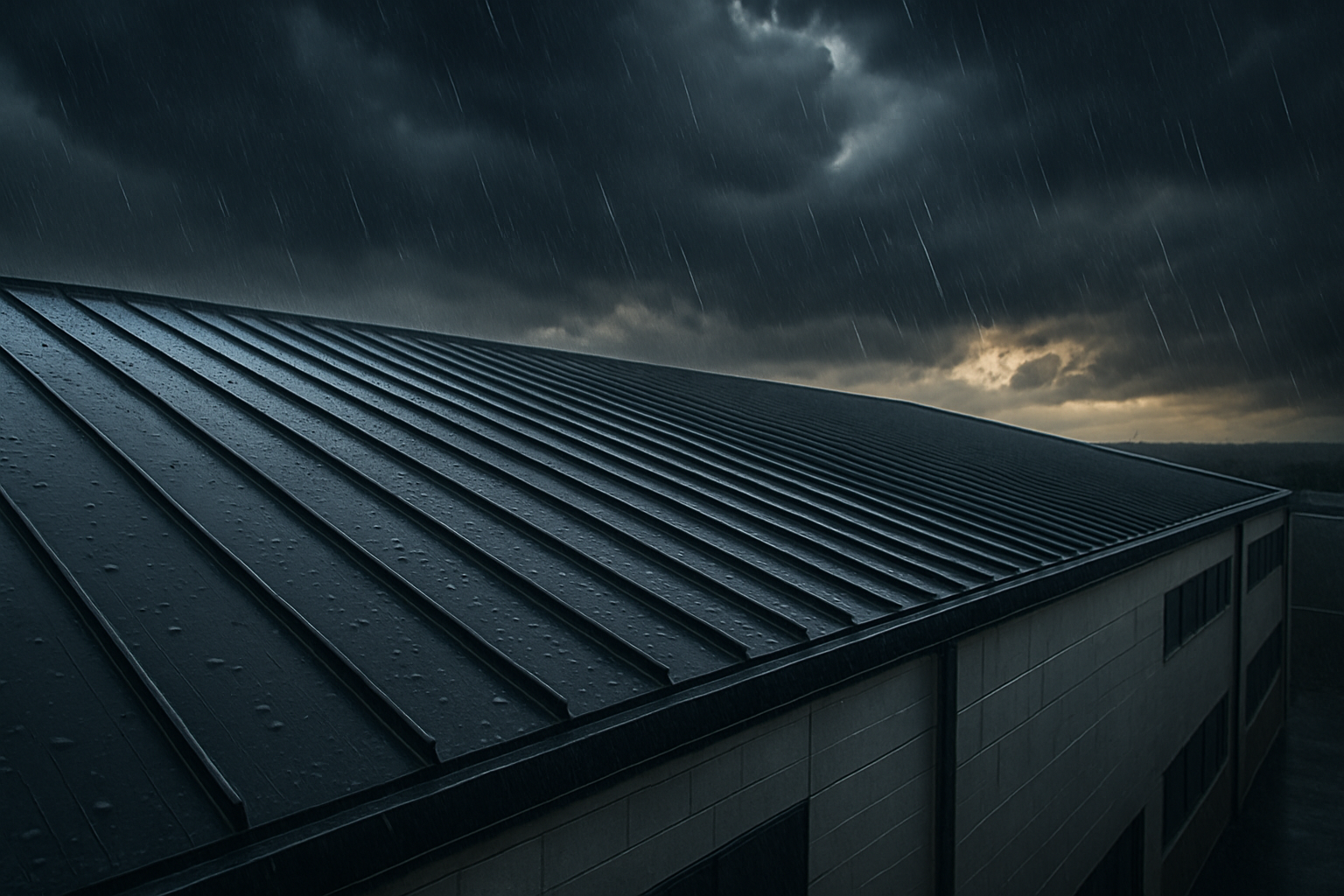
Standing seam systems can achieve top ratings such as Class A fire resistance, Class 4 impact resistance, and engineered wind uplift ratings specified up to about 140 mph for certain assemblies. Class 4 impact resistance shows strong performance against hail — a key consideration in Texas and Oklahoma. Fire and wind ratings depend on substrate, underlayment, attachment method, and local code requirements, and specific coatings or finishes can influence tested results. Choosing panels and assemblies tested to the right standards gives predictable performance in the region’s severe weather.
What long‑term benefits and cost savings does standing seam metal roofing deliver?
Standing seam roofs offer long‑term financial benefits through longer service life, fewer full replacements, lower routine maintenance, and energy savings that can reduce cooling loads in hot climates. Over several decades, these savings often lead to better lifecycle economics than asphalt roofing, plus the environmental advantage of recyclable materials and better resale appeal. Measurable benefits include reduced cooling energy with reflective finishes and fewer major repairs or replacements — both improve return on investment. Many owners find the initial premium pays off through decades of lower operating costs.
To evaluate ROI, consider the primary economic advantages and common lifecycle metrics below.
-
Longer lifespan reduces replacement frequency and disruption.
-
Reflective coatings lower cooling bills in hot climates.
-
Less frequent maintenance reduces recurring expenses.
-
Higher resale value due to perceived durability and lower operating risk.
This ROI snapshot shows how energy savings and fewer replacements reduce lifecycle costs in hot, storm‑prone areas. For property owners in Texas and Oklahoma, those factors often make standing seam roofing a smart long‑term investment.
Ready to discuss options? Contact Trivan Roofing for a free estimate and expert guidance on standing seam solutions.
How does professional installation affect standing seam roof longevity?
Professional installation is a major factor in how long a standing seam roof lasts. Precise seam engagement, the correct underlayment, and proper flashing details prevent common failure modes. Mistakes such as incomplete seam closure, poor deck preparation, or improperly seated flashings can lead to localized corrosion, water intrusion, and thermal stress that shorten service life and may void warranties. Experienced crews follow manufacturer specs, allow for ventilation, and verify fastener and clip placement to protect coatings and panel performance. Hiring a qualified contractor reduces risk and helps ensure the system performs as intended for decades.
Essential installation best practices:
-
Comprehensive deck assessment and removal of deteriorated materials before installation.
-
Proper underlayment and ventilation to control moisture and thermal movement.
-
Accurate seam forming and engagement to ensure a full mechanical lock of panels.
-
Correct flashing and terminations to prevent leaks at penetrations and transitions.
These steps are directly tied to long‑term performance and warranty validity; contractors should follow this checklist on every standing seam job. If you want help, reach out to Trivan Roofing for a free estimate and installation plan tailored to your property.
Why is expert installation critical for maximizing roof life?
Expert installation prevents common issues that shorten roof life, such as exposed fastener corrosion, incomplete seam locks, and improper flashing terminations. A trained crew knows how clips and seams accommodate thermal expansion and how to protect coatings during handling and installation. Certified installers also document procedures and inspections that support warranty coverage. Investing in professional installation pays off as preserved material integrity and predictable long‑term performance.
What should customers expect during installation?
A professional standing seam job starts with a site assessment, measurements, and a clear estimate, then moves through deck preparation, underlayment, panel layout, mechanical seaming, flashing, and final inspection. You should receive a project timeline, weather contingencies, and a post‑installation packet with warranty paperwork and maintenance guidance. Clean site practices and considerate scheduling minimize disruption, and a final inspection confirms seam integrity, flashing fit, and fastener placement. For Texas and Oklahoma properties, documenting these steps helps demonstrate compliance with local codes and manufacturer requirements.
How can proper maintenance extend a standing seam roof’s life?
Regular maintenance protects the coatings, seals, and flashings that let standing seam roofs last for decades — and it helps keep warranties valid. Annual checks, debris removal, gutter care and quick attention after storms prevent localized corrosion and seam damage that can spread if ignored. Some maintenance is homeowner‑level (seasonal visual checks and clearing gutters); other tasks — sealant renewal, coating touch‑ups, and complex flashing repairs — require a professional. A consistent maintenance program keeps the roof performing close to its engineered lifespan.
Use this practical checklist to keep your standing seam roof in top condition.
Annual maintenance checklist:
-
Visual inspection of seams, flashings, and penetrations for signs of wear or movement.
-
Clear gutters and downspouts to prevent standing water and debris buildup.
-
Remove organic debris from valleys and seams to prevent moisture from becoming trapped.
-
Schedule professional inspections after major storms or every 3–5 years for a detailed assessment.
Following this checklist reduces the chance of small issues becoming major repairs and helps maintain warranty coverage through documented care. The next section explains how maintenance links to warranty terms.
Essential maintenance tips for standing seam roofing
Keep to a routine of visual inspections, debris clearance, and gutter upkeep, and watch sealants and flashings for signs of deterioration. Avoid abrasive cleaners and high‑pressure washing that can damage protective finishes; a gentle rinse and careful debris removal are best. Inspect the roof after hail or wind events to catch dents or seam problems early, and rely on professionals for sealant reapplication or touch‑up coatings per manufacturer guidance. Keep a simple log of inspections and service receipts to support any warranty claims and protect long‑term performance.
How does maintenance affect warranty coverage and performance?
Many manufacturer and workmanship warranties require documented periodic maintenance to remain valid; neglect can lead to denied claims. Professional inspection reports, maintenance invoices, and photos show you followed recommended care. Regular maintenance preserves coating and seam integrity and reduces the chance that small defects become systemic leaks. Keeping records and scheduling professional assessments are essential steps to protect both performance and warranty rights.
What warranty options protect your standing seam investment?
Standing seam roofs are typically covered by a mix of manufacturer material/finish warranties, contractor workmanship warranties, and sometimes separate weathertightness guarantees. Manufacturer warranties cover substrate and coating defects, contractor workmanship warranties cover installation issues, and weathertightness warranties can guarantee against leaks for a defined period. Know coverage lengths and common exclusions, for example, damage from improper maintenance or unauthorized alterations, and understand the contractor’s role in documenting and supporting claims for long‑term protection.
Compare these protections so you can plan maintenance and documentation appropriately. Trivan Roofing helps customers through installation documentation and post‑installation support to preserve warranty coverage and simplify any future claims. If you’re ready, contact us for a free estimate and warranty review.
Key steps contractors should take to support warranties:
-
Provide clear warranty documents and walk the owner through coverage terms.
-
Document installation details, including materials, batch numbers, and inspection records.
-
Offer post‑installation support for inspections and claim assistance.
-
Maintain communication with manufacturers when warranty issues arise.
These practices make it easier to file claims and ensure long‑term protections remain accessible. For help planning your project or preserving coverage, reach out to Trivan Roofing for a free consultation.
For expert advice, accurate estimates, and dependable installation, contact Trivan Roofing to discuss standing seam options and next steps.
Conclusion
Standing seam metal roofing is one of the most durable, weather‑resistant choices for long‑term protection — lifespans commonly exceed 40 years when the right materials and installation practices are used. Beyond durability, standing seam can deliver energy savings, lower lifecycle costs, and stronger resale appeal. Understanding the materials, installation standards, maintenance requirements, and warranty terms helps you choose a solution that aligns with your budget and performance goals. Ready to explore standing seam for your property? Contact Trivan Roofing for a free estimate and honest guidance tailored to Texas and Oklahoma conditions.
Not sure if standing seam is right for you?
Book a free on-site consultation with our roofing specialists.
Contact Us Today