
Why Smart Businesses Choose Metal Roofing for Longevity
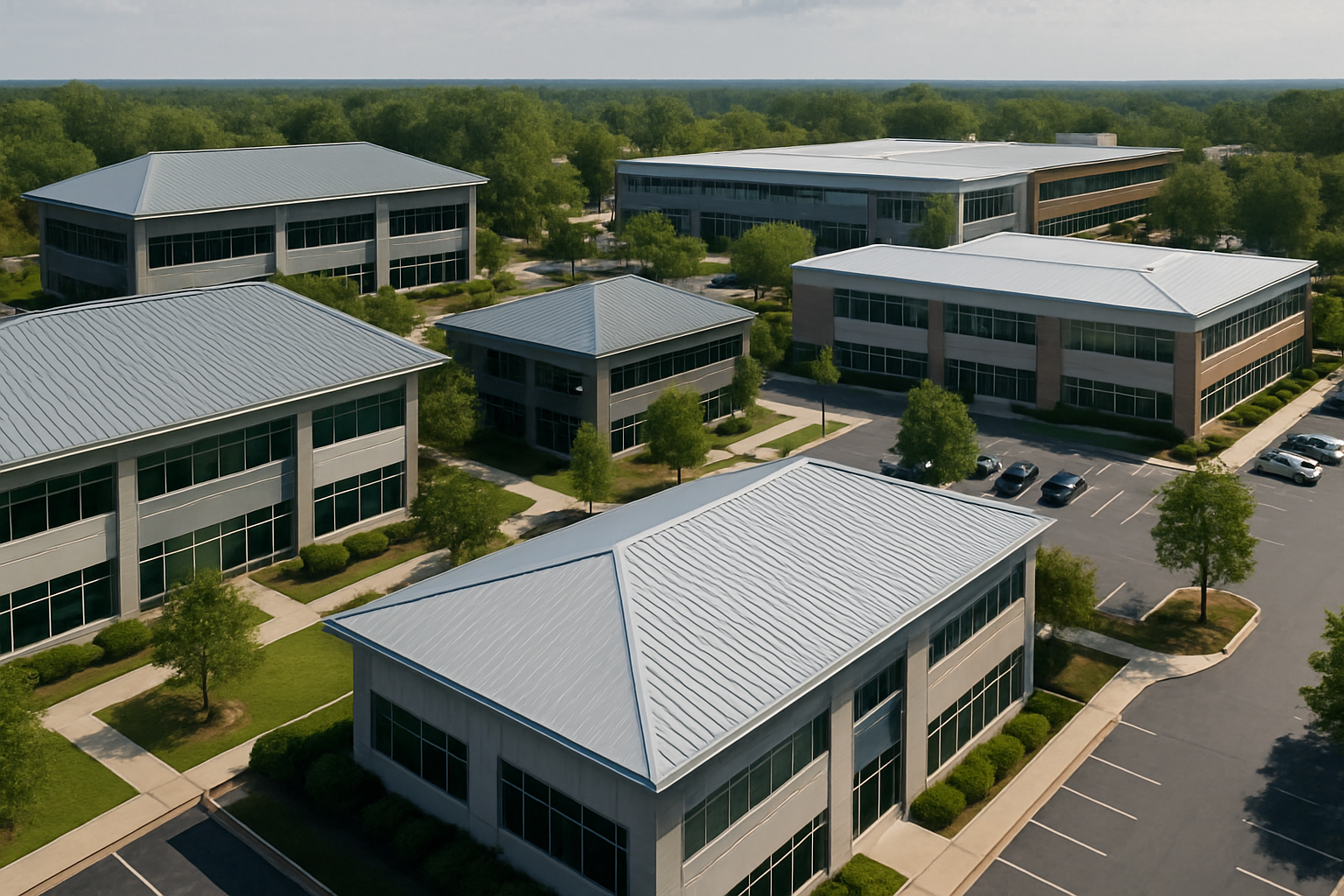
Metal roofing gives businesses a longer-lasting, lower-maintenance roof that stands up to wind, hail, and harsh sun. Learn how standing seam systems, insulated metal panels, and expert installation deliver decades of protection and a stronger long-term return on your roofing investment.
Proper commercial roof installation is not merely a construction task; it's a critical investment in a building's future. The integrity of a commercial roof directly impacts its durability, energy efficiency, and long-term operational costs. A meticulously installed roofing system acts as the primary shield against the elements, protecting valuable assets, inventory, and the structural integrity of the entire facility. This comprehensive guide is designed to empower building owners, facility managers, and property developers with a deep understanding of commercial roofing systems, advanced installation techniques, and field-proven best practices. We delve into the nuances of popular materials such as TPO, EPDM, modified bitumen, built-up roofing, and standing seam metal, aiming to demystify technical choices and highlight essential inspection checkpoints. Our goal is to ensure optimal long-term performance, minimize costly repairs, and maximize the return on your roofing investment.
What Are the Main Types of Commercial Roofing Systems?
Commercial roofs generally fall into two broad groups: low-slope membrane systems and metal/panel systems that can work on both low-slope and pitched roofs. Membrane systems, which include TPO, EPDM, modified bitumen, and built-up roofing, rely on continuous sheets or layered plies to create a monolithic, waterproof barrier. These systems are particularly adept at handling the unique challenges of low-slope applications, where water drainage is less aggressive than on steep-slope roofs. Metal roofs, predominantly led by standing seam systems, utilize panelized elements designed to accommodate thermal movement, offering exceptional longevity and aesthetic versatility. Choosing the right system involves a careful balance of factors, including desired lifespan, initial cost, ongoing maintenance requirements, and specific building needs such as structural capacity, aesthetic goals, and local climate conditions. Understanding these trade-offs upfront is crucial for guiding the installation process toward the best value and performance, ensuring the chosen system aligns perfectly with your operational and financial objectives.
The table below summarizes common commercial systems with typical lifespan, primary cost drivers, and best uses so you can compare options quickly and make informed decisions.
This table highlights key trade-offs for evaluating installation and maintenance needs, leading into a comparison of flat membrane and metal roof systems.
Detailed Overview of Commercial Roofing Systems
TPO (Thermoplastic Polyolefin) Roofing
TPO is a single-ply roofing membrane known for its exceptional durability, energy efficiency, and ease of installation. It's a popular choice for low-slope commercial buildings due to its reflective surface, which helps reduce cooling costs. TPO membranes are typically white, grey, or tan, and their seams are hot-air welded, creating a monolithic, watertight bond that is often stronger than the membrane itself. Key advantages include resistance to UV radiation, ozone, and chemical exposure, making it a robust option for various climates. The flexibility of TPO also allows it to accommodate building movement and temperature fluctuations without cracking.
EPDM (Ethylene Propylene Diene Monomer) Roofing
Often referred to as "rubber roofing," EPDM is a synthetic rubber membrane widely used for low-slope commercial applications. It is highly durable, resistant to extreme weather conditions, and boasts a long service life. EPDM is available in large sheets, which can significantly reduce the number of seams required, thereby minimizing potential leak points. Installation typically involves adhering the membrane to the substrate with specialized adhesives or mechanically fastening it. Seams are sealed with tape or liquid adhesives. EPDM is particularly valued for its flexibility, resistance to hail and punctures, and its ability to perform well in colder climates.
Modified Bitumen Roofing
Modified bitumen is an asphalt-based roofing system that incorporates modifiers to enhance its flexibility, durability, and resistance to temperature extremes. It is typically installed in multiple layers, often with a base sheet and a cap sheet, which may have a granular surface for UV protection. Modified bitumen can be applied using several methods: torch-applied (requiring open flame and strict safety protocols), cold-applied (using adhesives), or self-adhered (peel-and-stick). This system offers excellent waterproofing capabilities, high tensile strength, and good resistance to foot traffic, making it suitable for roofs with regular maintenance access.
Built-Up Roofing (BUR)
One of the oldest and most reliable low-slope roofing systems, Built-Up Roofing (BUR) consists of multiple layers of reinforcing plies (felts) alternated with layers of asphalt (bitumen). The top layer is typically a flood coat of asphalt embedded with gravel or slag, which provides UV protection, fire resistance, and added durability. BUR systems are known for their exceptional longevity, redundancy (due to multiple layers), and robust performance in various climates. The multi-ply construction creates a thick, seamless barrier that is highly resistant to punctures and tears, making it ideal for heavy-duty applications and roofs with significant foot traffic.
Standing Seam Metal Roofing
Standing seam metal roofing is a premium system characterized by its raised seams, which run vertically up the roof panels. These seams are mechanically seamed together, concealing fasteners and creating a highly weather-tight barrier. Metal roofs are available in various materials, including steel, aluminum, copper, and zinc, each offering unique aesthetic and performance characteristics. Advantages include an exceptionally long lifespan (often 50+ years), superior resistance to wind, fire, and hail, and excellent energy efficiency due to reflective coatings. Their sleek, modern appearance also makes them a popular choice for architectural appeal on both low-slope and steep-slope commercial buildings.
How Do Flat Roof Systems Differ from Metal Roofs?
Flat roofs (low-slope) primarily utilize continuous membranes or layered plies to create a monolithic, waterproof surface. These systems inherently require meticulous attention to drainage design and flashing details to prevent ponding water, which can accelerate material degradation and lead to leaks. Water management on flat roofs relies on positive drainage slopes, internal drains, and scuppers. In contrast, metal roofs are panelized systems that rely on interlocking panels and specialized clips to manage water flow and accommodate the significant thermal movement inherent in metal. The raised seams of metal roofs act as natural water channels, directing water off the roof surface efficiently. The choice between these two fundamental approaches depends heavily on desired service life, maintenance expectations, planned rooftop use (e.g., HVAC units, green roofs), and specific aesthetic goals for the building's exterior.
What Are the Benefits of Standing Seam Metal Roofing?
Standing seam metal roofs offer an exceptionally long service life, often exceeding 50 years, making them a highly sustainable and cost-effective long-term investment. Their design, featuring raised seams and concealed fasteners, significantly reduces the risk of leaks by minimizing penetration points and providing robust protection against water infiltration. The inherent flexibility of metal allows the system to accommodate thermal movement (expansion and contraction) without experiencing stress or damage, a common issue with less flexible materials. With modern reflective finishes, these roofs can significantly lower energy loads by reducing heat absorption, contributing to cooler building interiors and lower utility bills. Made from a high percentage of recycled content and being fully recyclable at the end of their long life, they are an environmentally responsible choice. Beyond longevity and minimal upkeep, standing seam metal roofs provide a modern, clean aesthetic that enhances a building's curb appeal. TriVAN Roofing provides tailored installation expertise for Texas and Oklahoma climates, ensuring your metal roof performs optimally in local conditions.
Core Components of a Commercial Roof System
Understanding the individual components that make up a commercial roof system is crucial for appreciating the complexity and importance of proper installation. Each layer plays a vital role in the overall performance, durability, and energy efficiency of the roof.
Structural Deck
The structural deck forms the foundational base of the entire roofing assembly, supporting all subsequent layers and transferring loads to the building's structure. Its type, commonly steel, concrete, or wood, dictates the appropriate fastening methods for the roofing system. A stable, clean, dry, and structurally sound deck is absolutely foundational to a successful installation. Any deficiencies in the deck, such as rust, cracks, or unevenness, must be addressed and repaired before any other roofing components are installed, as these issues can compromise the integrity of the entire system.
Vapor Retarder/Barrier
A vapor retarder or barrier is a critical component, particularly in humid climates or buildings with high interior moisture content (e.g., swimming pools, manufacturing facilities). Its primary function is to prevent moisture migration from the interior of the building into the roofing assembly. Without a proper vapor barrier, warm, moist air can condense within the insulation layers, leading to reduced thermal performance, mold growth, and potential structural damage to the deck. Proper placement and meticulous sealing of all seams and penetrations are critical to its effectiveness, ensuring a continuous barrier against moisture.
Insulation
Insulation is key for achieving energy efficiency, reducing heat transfer between the building's interior and exterior, and stabilizing interior temperatures. Various types of insulation are available, including polyisocyanurate (polyiso), expanded polystyrene (EPS), and extruded polystyrene (XPS), each offering different R-values (thermal resistance) and compressive strengths. Insulation is typically installed in multiple layers with staggered joints to minimize thermal bridging, which occurs when heat bypasses the insulation through gaps or fasteners. The correct type and thickness of insulation are selected based on energy code requirements, climate zone, and desired thermal performance.
Membrane or Panels
This is the primary waterproofing layer of the roof system. For low-slope roofs, this typically involves single-ply membranes like TPO or EPDM, multi-ply systems like modified bitumen, or built-up roofing. For sloped roofs, it's often standing seam metal panels. The integrity of this layer is paramount, as it directly prevents water infiltration into the building. Its installation requires specialized skills, precision, and adherence to manufacturer specifications to ensure all seams, laps, and connections are watertight and durable. Any compromise in this layer can lead to immediate and costly leaks.
Flashings and Accessories
Flashings and accessories are the critical details that seal the roof at all transitions, penetrations, and edges. These include details around parapet walls, skylights, HVAC units, drains, vents, and expansion joints. These areas are often the most vulnerable leak points if not installed correctly. Proper material compatibility with the main roofing membrane or panels, along with meticulous watertight sealing, is essential for long-term performance. Flashings must be designed and installed to accommodate building movement and thermal expansion, ensuring they remain intact and functional throughout the roof's lifespan.
What Are the Step-by-Step Installation Processes for Flat Roofs?
Flat roof installations follow a sequential process that is meticulously planned and executed to ensure durability, warranty protection, and to minimize common failure points. This precise sequencing, from substrate preparation to final quality assurance, is vital. Common mistakes often stem from poor substrate preparation, inadequate seam terminations, or rushing critical steps. The table below summarizes high-level installation steps and common mistakes for each material, providing a quick reference for critical considerations.
How Is TPO Roofing Installed on Commercial Buildings?
The installation of TPO roofing on commercial buildings is a highly specialized process that begins with a thorough deck inspection and any necessary substrate repairs to ensure a smooth, stable foundation. Following this, a vapor barrier may be installed, succeeded by the insulation layers, which are typically mechanically fastened or adhered. The TPO membrane is then carefully laid out, allowing it to relax and conform to the roof's contours. The most critical step involves meticulously heat-welding the seams by certified technicians using automated welding machines. These welds are rigorously tested for integrity using probes to ensure a continuous, watertight bond. Flashings at drains, curbs, parapet walls, and other penetrations are custom-fabricated and carefully installed, often involving multiple layers and specialized sealants to prevent water ingress. The final quality assurance includes a comprehensive seam and flashing inspection, often with water testing in critical areas, to ensure a completely watertight system that meets manufacturer specifications and warranty requirements.
What Are the Key Steps in EPDM and Modified Bitumen Installation?
EPDM installation demands spotless substrate preparation, as any debris or moisture can compromise adhesion. The correct adhesive choice is paramount, tailored to the specific substrate and climate conditions. The large EPDM sheets are carefully unrolled and allowed to relax before being fully adhered or mechanically fastened. Seam treatment is a critical step, typically involving specialized seam tape or liquid adhesives, applied with meticulous attention to lap widths and pressure to ensure a strong, watertight bond. As a cold-applied system, EPDM avoids open flames, enhancing safety, but relies heavily on strong, consistent adhesion. Modified bitumen, conversely, can be torch-applied (requiring strict safety protocols and experienced applicators due to the open flame) or cold-adhered using specialized mastics. It often features a granule cap sheet for enhanced UV protection and durability. Common failures for both systems include insufficient priming of the substrate, weak lap adhesion, and improper detailing at penetrations. Inspection focuses on consistent adhesion across the membrane, proper seam application with no voids or fishmouths, and the integrity of all flashing details to ensure long-term performance.
How Do Commercial Roofing Installation Techniques Vary by Material?
Installation techniques vary significantly by material, impacting attachment methods, accommodation for thermal movement, handling requirements, and the specialized skills needed from the installation crew. Metal roofs, for instance, demand precise panel layout, meticulous alignment, and specialized clips and fasteners designed to allow for thermal expansion and contraction without stressing the panels. Membrane systems like TPO and EPDM require careful handling to prevent punctures or wrinkles, precise welding or adhesion techniques for seams, and intricate, multi-layered flashings at all transitions. Built-Up Roofing (BUR) focuses on consistent ply adhesion, ensuring each layer of felt is fully embedded in hot asphalt, while modified bitumen emphasizes careful sheet handling and precise application, whether by torch, cold adhesive, or self-adhesion. Matching the contractor's expertise and specialized equipment to the chosen system is not just beneficial, but absolutely crucial for a successful, long-lasting installation that meets manufacturer warranty requirements and performs optimally throughout its service life.
Best practices for selection and oversight:
-
Verify installer qualifications and manufacturer approvals for the specific roofing system.
-
Confirm that all specialized equipment (e.g., TPO welders, asphalt kettles) is calibrated, well-maintained, and tested before and during installation.
-
Schedule sequencing of work to protect newly installed layers from adverse weather conditions or construction traffic.
-
Conduct regular site visits, pre-installation meetings, and daily progress reviews with the project manager and crew foreman.
-
Ensure all materials are stored properly on-site, protected from moisture and damage, and are within their shelf-life.
-
Implement a clear communication plan between the building owner, general contractor, and roofing contractor.
Quality Assurance and Post-Installation Inspection
Effective quality assurance (QA) and post-installation inspection are not merely checkboxes; they are crucial pillars for ensuring roof longevity, validating adherence to specifications, and complying with building codes. A robust QA plan is integrated throughout the entire project lifecycle, from initial planning to final sign-off.
Pre-Installation Checks:
This phase involves a thorough review of all project specifications, architectural drawings, and manufacturer guidelines. It includes confirming the readiness and availability of all materials on-site, verifying the structural deck condition for soundness and cleanliness, and testing all installation equipment (e.g., TPO welders, asphalt kettles) for proper calibration and functionality. Pre-installation meetings with the entire project team are essential to align expectations and address potential challenges.
During-Installation Monitoring:
This involves continuous oversight of the installation process. Key activities include observing substrate preparation to ensure it meets standards, verifying the correct installation of insulation layers and the primary membrane/panel system, meticulously inspecting seam integrity (e.g., TPO weld strength, EPDM lap adhesion, modified bitumen bleed-out), and documenting progress with daily reports and photographic evidence. Any deviations from specifications or best practices are identified and corrected immediately.
Post-Installation Inspection:
The final phase includes a comprehensive final walk-through of the entire roof system. This involves visually inspecting all seams, flashings, and penetration details for completeness and watertightness. Critical areas, such as drains and scuppers, may undergo water testing to confirm positive drainage and seal integrity. All project documentation, including warranties, material receipts, and daily logs, is reviewed and compiled for the owner. This final inspection ensures the roof is ready for service and meets all contractual obligations.
Safety and Environmental Considerations in Commercial Roofing
Commercial roofing projects inherently involve significant risks, necessitating strict adherence to comprehensive safety protocols. These include robust fall protection systems (guardrails, safety nets, personal fall arrest systems), rigorous fire prevention measures (especially for torch-applied systems, requiring fire watches and extinguishers), electrical safety precautions around rooftop units, and the mandatory use of appropriate Personal Protective Equipment (PPE) for all workers. Beyond immediate safety, modern roofing practices increasingly prioritize environmental sustainability through:
Energy Efficiency:
This involves the strategic utilization of cool roofs (highly reflective surfaces that reduce heat absorption), significantly increased insulation levels (achieving higher R-values to minimize heat transfer), and designing roofs for future solar readiness, allowing for easy integration of photovoltaic systems.
Sustainability:
This encompasses choosing recyclable materials (like metal and some TPO membranes), considering the implementation of green roofs (vegetated systems that improve air quality and manage stormwater), and using low VOC (Volatile Organic Compound) adhesives and sealants to improve air quality during and after installation. Responsible waste management, including recycling old roofing materials, is also a key component.
Choosing the Right Commercial Roofing Contractor and Protecting Your Investment
Selecting the right commercial roofing contractor is arguably the most critical decision in any roofing project. The quality of installation directly impacts the roof's lifespan and your long-term costs. Key criteria for selection include:
Contractor Selection:
Look for extensive experience specifically with your chosen roofing system, ensuring they have a proven track record. Verify proper licensing and comprehensive insurance coverage (liability and workers' compensation). Confirm manufacturer certifications, which indicate the contractor is trained and approved to install specific products, often a prerequisite for valid warranties. A strong safety record, demonstrated by low EMR (Experience Modification Rate) and adherence to OSHA standards, is non-negotiable. Local knowledge is invaluable, as it means the contractor understands regional climate challenges and building codes. Finally, effective communication and transparent project management are essential for a smooth project.
Warranty Protection:
Protecting your investment extends beyond installation and involves a thorough understanding of your warranty coverage (both material and workmanship) and proactive steps to maintain its validity: Carefully review all warranty documents, understanding their terms, conditions, and duration. Adhere strictly to manufacturer guidelines for maintenance and repairs. Avoid unauthorized work or modifications to the roof, as this can void your warranty. Maintain meticulous documentation of all roofing activities, including inspections, repairs, and maintenance, as this serves as proof of compliance in case of a warranty claim. Regular, professional maintenance is often a requirement for warranty validity and is the best way to ensure your roof performs as intended for its full lifespan.
Ready to Elevate Your Commercial Roofing Project?
Ensure durability, energy efficiency, and long-term savings for your commercial property. Our experts at TriVAN Roofing are ready to provide tailored guidance, comprehensive assessments, and superior installation services. Don't leave your investment to chance - partner with the best in the business.
Common Commercial Roofing Challenges and Solutions
Even with the best installation, commercial roofs face various challenges throughout their lifespan. Understanding these common issues and their solutions is crucial for proactive maintenance and extending roof life.
Ponding Water
Ponding water occurs when water remains on the roof surface for more than 48 hours after rainfall. This is a significant issue for low-slope roofs, as stagnant water can accelerate membrane degradation, promote algae and plant growth, and add excessive weight to the structure. Solutions include improving drainage by adding tapered insulation, installing additional drains or scuppers, or re-sloping the roof deck during a re-roofing project. Regular cleaning of drains and gutters is also essential to prevent blockages.
UV Degradation and Thermal Shock
Constant exposure to ultraviolet (UV) radiation from the sun can cause roofing membranes to break down, become brittle, and lose their elasticity over time. Thermal shock, the rapid expansion and contraction of roofing materials due to extreme temperature fluctuations, can lead to cracking, splitting, and fastener pull-out. Solutions involve selecting UV-resistant materials (e.g., white TPO, granular modified bitumen, reflective metal coatings), ensuring proper membrane thickness, and using flexible flashing materials that can accommodate movement. Regular inspections can identify early signs of degradation.
Wind Uplift
High winds can exert significant uplift forces on a roof, potentially leading to membrane detachment, panel blow-off, and widespread damage. Proper fastening patterns, strong adhesives, and robust edge securement are critical to resisting wind uplift. Building codes specify wind load requirements based on geographic location and building height. Solutions include mechanically fastening systems, fully adhered systems, and ensuring all perimeter and corner zones (which experience higher uplift forces) are adequately reinforced.
Punctures and Tears
Commercial roofs are susceptible to punctures and tears from foot traffic, falling debris, maintenance activities, or sharp objects. These can compromise the waterproofing layer and lead to leaks. Solutions include selecting puncture-resistant membranes (e.g., modified bitumen, BUR), installing walk pads in high-traffic areas, and educating maintenance personnel on proper roof access and care. Prompt repair of any punctures is vital to prevent water infiltration.
The Importance of Regular Maintenance for Commercial Roofs
A commercial roof is a significant asset that requires ongoing care to maximize its lifespan and performance. Implementing a proactive, regular maintenance plan is far more cost-effective than reactive repairs after a failure occurs.
-
Routine Inspections: Scheduled inspections, ideally semi-annually (spring and fall) and after severe weather events, are paramount. These inspections should identify minor issues before they escalate, such as clogged drains, small punctures, loose flashings, or early signs of membrane degradation. A qualified roofing professional can spot subtle indicators of potential problems that might be missed by an untrained eye.
-
Cleaning and Debris Removal: Accumulated debris (leaves, branches, dirt, trash) can block drains, trap moisture, and promote vegetation growth, all of which accelerate roof deterioration. Regular cleaning ensures proper drainage and prevents organic matter from breaking down the roofing material. Removing standing water promptly is also crucial.
-
Prompt Repairs: Addressing minor repairs immediately is key to preventing them from becoming major, costly problems. A small crack or loose flashing, if left unattended, can lead to extensive water damage to the building interior and structure. Having a trusted roofing contractor on call for prompt repair services is invaluable.
-
Documentation and Warranty Compliance: Maintaining detailed records of all inspections, maintenance activities, and repairs is essential. This documentation serves as proof of adherence to manufacturer warranty requirements, which often stipulate regular maintenance. Proper records can be critical in the event of a warranty claim and provide a historical overview of the roof's condition.
-
Seasonal Adjustments: Depending on the climate, specific seasonal adjustments may be necessary. This could include clearing snow and ice in winter (with extreme caution to avoid roof damage) or inspecting for UV damage and heat stress in summer. Adapting maintenance practices to local weather patterns enhances the roof's resilience.
Frequently Asked Questions
What factors should I consider when choosing a commercial roofing system?
Consider building structure, local climate conditions, intended use of the building, desired lifespan, maintenance budget, initial and lifecycle costs, energy efficiency goals, warranty availability, and local building codes. Consulting with experienced professionals for tailored advice is highly recommended to ensure the best fit for your specific needs.
How can I ensure the longevity of my commercial roof?
Ensuring longevity requires a multi-faceted approach: selecting the right system for your building and climate, meticulous installation by qualified professionals, implementing a robust regular maintenance plan (including routine inspections and cleaning), prompt repairs of any issues, and strict adherence to manufacturer guidelines to maintain warranty validity.
What are the common mistakes to avoid during commercial roof installation?
Avoid inadequate substrate preparation (dirty, wet, or uneven surfaces), improper seam sealing (insufficient overlap, poor adhesion, incorrect welding temperatures), neglecting manufacturer specifications, failing to account for thermal movement of materials, and poor drainage design leading to ponding water. Meticulous installation by qualified personnel mitigates these risks.
What is the role of insulation in a commercial roofing system?
Insulation is vital for enhancing energy efficiency by reducing heat transfer, which significantly lowers heating and cooling costs. It also helps regulate interior temperatures, improving occupant comfort. Proper type, R-value, and installation prevent thermal bridging, condensation, and moisture issues within the roof assembly, protecting the building's structure.
How do I choose the right contractor for my commercial roofing project?
Look for a contractor with extensive experience in your chosen system, verified licensing and comprehensive insurance, manufacturer certifications, a strong safety record, deep local knowledge of climate and codes, and excellent communication and project management skills. Always request references and review their portfolio.
What should I include in a commercial roof maintenance plan?
A comprehensive plan should include regular (e.g., semi-annual) professional inspections, routine cleaning and debris removal, prompt repair of any identified issues, detailed documentation of all activities for warranty purposes, and seasonal adjustments to address specific weather challenges. Engaging a professional contractor for these services is highly recommended.
Conclusion
Making informed decisions about your commercial roofing system is paramount to maximizing its durability, energy efficiency, and overall value. From selecting the appropriate materials and understanding intricate installation techniques to implementing rigorous quality assurance and proactive maintenance, every step contributes to the long-term success of your investment. Partnering with experienced and reputable experts like TriVAN Roofing ensures that your commercial roofing project is executed with precision, adheres to the highest standards, and provides a successful, long-lasting solution that protects your assets for decades to come.
About the Experts Behind This Guide
This guide is brought to you by the seasoned professionals at TriVAN Roofing, a leading commercial roofing contractor with extensive experience across Texas and Oklahoma. Our team of certified specialists offers deep knowledge in all major roofing systems, ensuring accurate, up-to-date, and field-proven insights. With a commitment to quality craftsmanship and client satisfaction, TriVAN Roofing stands as a trusted partner in safeguarding commercial properties.
Ready to upgrade to a roof that’s built to last?
Talk with TriVAN Roofing about standing seam and insulated metal roofing systems designed for Texas and Oklahoma conditions, and get a tailored plan that maximizes lifespan, energy savings, and long-term ROI.
Contact Us Today