TPO Roofing Cost Guide for Texas Commercial Buildings (2026): What You'll Actually Pay and Why
| By TriVAN Roofing | 11 min read
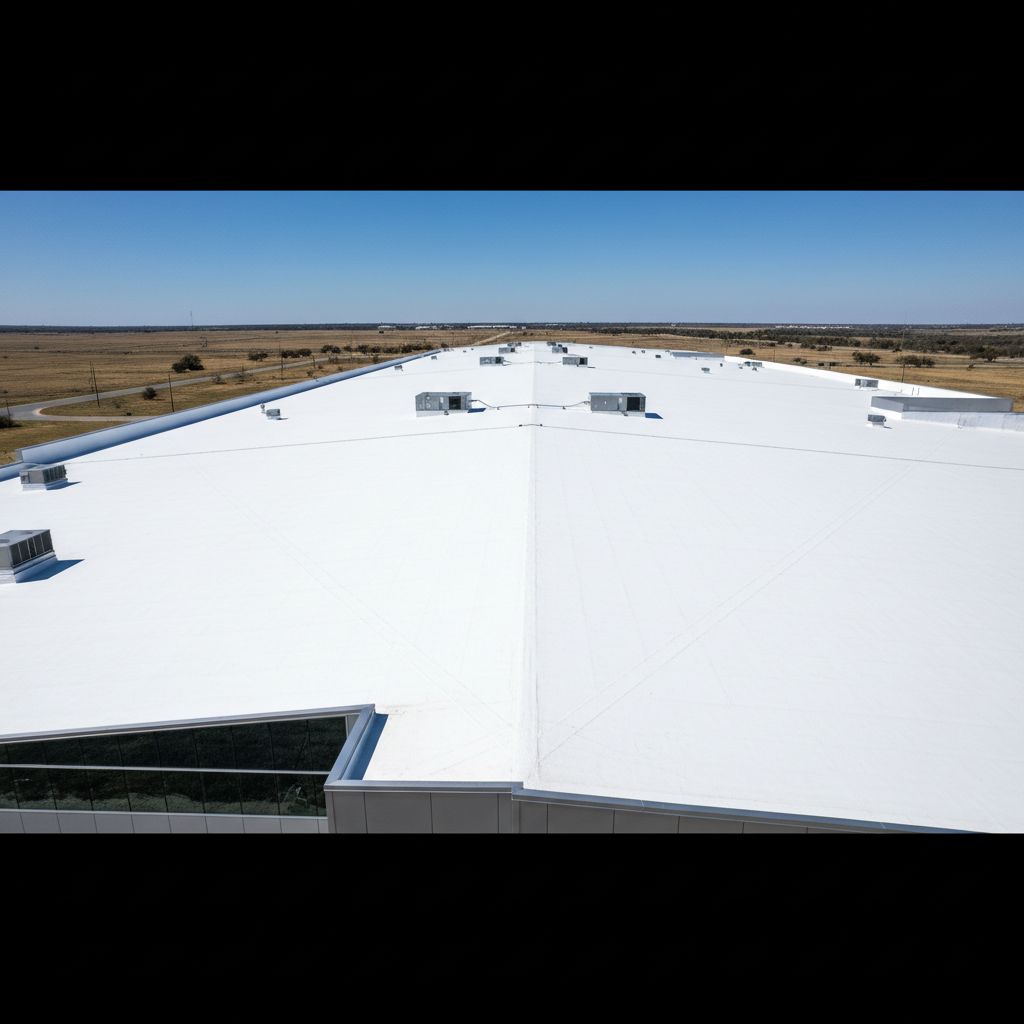
TPO roofing bids can vary by over 30%. Our 2026 Texas cost guide explains why. Learn how membrane thickness, attachment, and insulation specs affect your TPO roofing cost per square foot, so you can compare bids accurately and choose the right system
Categories: Roofing Materials
As a facility manager or commercial building owner in Texas, you have likely encountered Thermoplastic Olefin (TPO) roofing. It is the most widely specified commercial roofing membrane in the state for a reason: it offers a strong balance of performance, energy efficiency, and cost-effectiveness. This popularity also makes it the most price-researched system, which leads to a common point of confusion. When you solicit three bids for a TPO roof on the same building, you might see prices that vary by 25%, 30%, or even more. The natural assumption is that the low bidder is cutting corners or the high bidder is overcharging. The reality is more complex.
Often, all three contractors are being honest. The price disparity comes from legitimate differences in the product being specified. A "TPO roof" is not a single product. It is a system composed of multiple components, and the choices made for each component create products with genuinely different performance levels and prices. Our general cost guide establishes the typical range for TPO roofing systems at $8.00 to $12.00 per square foot installed. The challenge for building owners is to understand what specification differences drive that price variance and, more importantly, which specifications are right for their specific building and budget.
This guide dives deep into the factors that determine the TPO roofing cost per square foot in Texas and Oklahoma for 2026. We will break down how membrane thickness, attachment method, cover board choice, and insulation packages create different price points, so you can evaluate bids like an expert and make a confident investment in your property.
The Big Three: Specification Variables That Drive TPO Pricing
While many factors contribute to the final price, three core system specifications account for the majority of the cost variance you see in competitive bids. If two proposals have a significant price difference, the answer is almost always found in one of these three areas.
1. Membrane Thickness: 45, 60, or 80-mil?
The TPO membrane itself is the most visible component, and its thickness is a direct indicator of its durability and lifespan. Standard commercial TPO comes in three primary thicknesses:
- 45-mil TPO: This is the thinnest, most economical option. While it meets minimum standards, it is rarely recommended for commercial properties in the Texas/Oklahoma storm corridor. Its thinner wear layer makes it more susceptible to punctures and degradation from intense UV exposure.
- 60-mil TPO: This is the industry standard and the workhorse for most commercial applications in Texas. It provides a substantial improvement in puncture resistance, durability, and longevity over 45-mil for a modest increase in cost. Most reputable contractors will propose 60-mil as their base offering.
- 80-mil TPO: This is the premium thickness, offering the highest level of puncture resistance, durability, and seam strength. It is typically specified for buildings in high-wind zones, facilities with heavy rooftop foot traffic, or projects requiring compliance with stringent standards like FM Global or certain VSH hail rating requirements.
Cost Impact: The material cost difference between 45-mil and 80-mil TPO membrane can be between $0.50 and $1.00 per square foot. This means on a 50,000 square foot roof, a bid specifying 45-mil membrane could be $25,000 to $50,000 cheaper than one specifying 80-mil, based on material alone. A proposal for a 45-mil roof is not comparable to one for a 60-mil roof, and understanding this is the first step in comparing bids accurately.
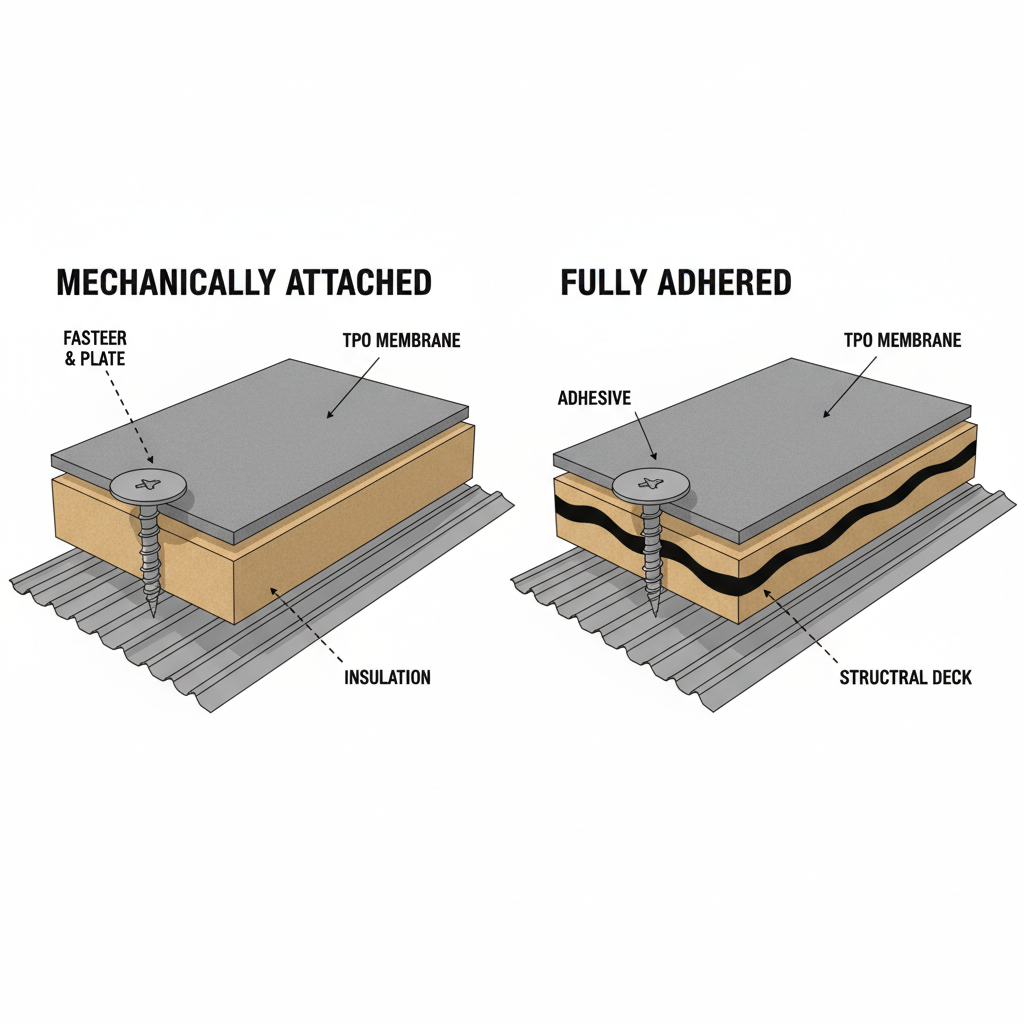
2. Attachment Method: Mechanically Attached vs. Fully Adhered
How the TPO system is secured to the building's structural deck is another critical specification with significant cost and performance implications. The two primary methods are:
- Mechanically Attached TPO: This is the most common and cost-effective method. In this system, both the insulation and the TPO membrane are fastened to the roof deck using specialized screws and plates at specific intervals. The spacing of these fasteners is engineered to meet local wind uplift requirements. It's a fast, reliable method suitable for many building types, particularly those with wood or metal decks.
- Fully Adhered TPO: In this premium system, the insulation is first secured to the deck, and then the TPO membrane is glued to the insulation substrate using a powerful bonding adhesive. This creates a smooth, seamless surface with no visible fasteners and provides superior resistance to wind uplift. It is often required for concrete decks, in high-wind coastal areas, for certain FM Global assembly ratings, and on roofs with complex geometries where mechanical attachment is impractical.
Some projects may also utilize an induction-welded system (like the RhinoBond system), which combines elements of both. Fasteners with specialized plates are installed, but the membrane is welded to the plates from the surface using an induction heating tool. This provides high wind performance without penetrating the membrane. The price difference between a standard mechanically attached system and a fully adhered system is typically between $0.75 and $1.25 per square foot due to the additional labor and material costs of the adhesive.
3. Cover Board: To Use or Not to Use?
A cover board is a thin, high-density substrate installed on top of the primary insulation layer, directly beneath the TPO membrane. While it adds cost, it provides two critical performance benefits: hail impact resistance and protection for the insulation below.
Without a cover board, the TPO membrane rests directly on the much softer polyiso insulation. Foot traffic from maintenance crews or significant hail events can compress or damage the insulation, creating low spots and compromising the roof’s integrity. A high-density gypsum cover board (like Georgia-Pacific's DensDeck Prime) provides a hard, rigid surface that dramatically improves the roof's resistance to hail, punctures, and foot traffic.
Cost Impact: Adding a high-density cover board to a TPO specification will add approximately $0.50 to $1.00 per square foot to the total cost. However, it is a prerequisite for achieving the highest hail impact ratings, such as UL 2218 Class 4 and FM Global's Very Severe Hail (VSH) rating. For building owners in North Texas or Oklahoma, a cover board is one of the most valuable upgrades you can make to a TPO system.
Insulation: The Unseen Factor That Can Reshape Your Budget
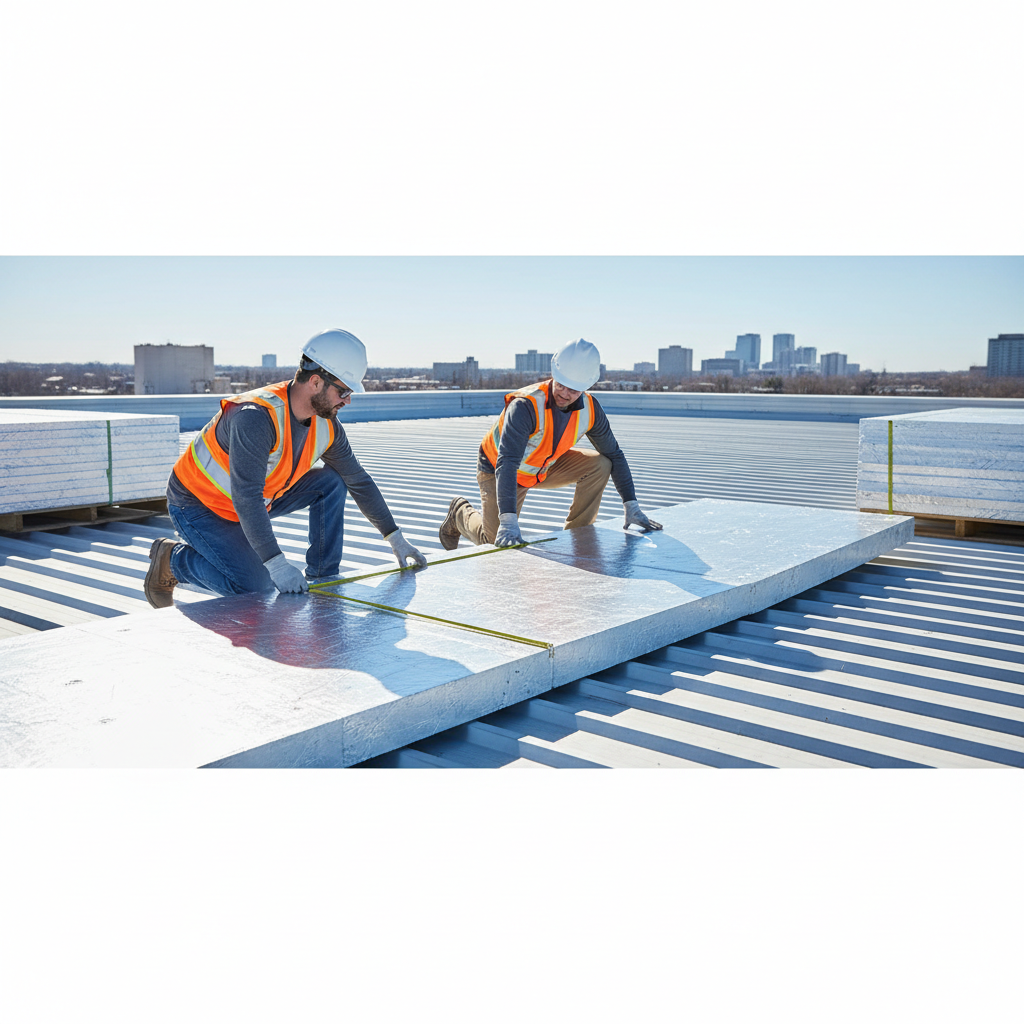
The TPO membrane gets all the attention, but the insulation package beneath it often accounts for a huge portion of the total project cost. It is also where bids can diverge most significantly. A base installed cost for TPO typically includes a standard amount of polyisocyanurate ("polyiso") insulation to meet current energy codes. However, several scenarios can dramatically increase this cost.
- Meeting Modern Energy Codes: The International Energy Conservation Code (IECC), as adopted by Texas, mandates minimum insulation R-values for new and replacement roofs, typically R-25 to R-30 depending on your climate zone. If your existing roof has an R-value of 10, the contractor must add enough new insulation to bring the entire assembly up to code. Projects replacing roofs with existing insulation below current code minimums often require insulation upgrades to meet Texas IECC requirements, which can add $2.00 to $4.00 per square foot to the total project cost.
- Tapered Insulation Systems: Many flat roofs have inadequate drainage, leading to ponding water, which can void warranties and accelerate membrane degradation. The solution is a tapered insulation system, where the insulation boards are manufactured with a built-in slope to direct water toward drains. This is a highly effective but costly solution, adding anywhere from $3.00 to $8.00 per square foot depending on the complexity and required slope.
- High-Performance Assemblies: Some building owners may choose to specify insulation packages that exceed code minimums to achieve greater long-term energy savings. While this increases the upfront cost, it can be partially offset by utility rebates and leads to lower HVAC operating costs over the life of the building.
Does the Manufacturer Brand Really Matter?
Facility managers often ask about the differences between major TPO manufacturers like GAF, Carlisle, Versico, Johns Manville, and Firestone. While each company has slightly different chemical formulations and product lines, the more important factor is often the contractor installing the product.
The best TPO membrane in the world will fail if installed improperly. This is why manufacturer certifications are so critical. For example, TriVAN Roofing is a GAF Master Elite Certified contractor. This designation, earned by less than 2% of roofers nationwide, gives us access to GAF's top-tier EverGuard TPO product lines and allows us to offer their most comprehensive NDL (No Dollar Limit) warranties. A non-certified contractor installing the exact same GAF product cannot offer the same level of warranty protection.
Your contractor's relationship with a manufacturer, their certification level, and their access to regional distribution networks can influence pricing and, most importantly, the quality of the warranty you receive. The brand matters, but the certified installer matters more.
Regional Price Variations in Texas and Oklahoma
A TPO roof replacement in Dallas won't cost the same as the exact same project in Midland or Oklahoma City. Regional logistics and market conditions play a significant role in pricing.
- DFW Metroplex: In the DFW area, pricing is heavily influenced by seasonality. During the summer peak, from June to September, contractor capacity is stretched thin between scheduled replacements and storm restoration work from the spring hail season. This high demand can push installation costs 15% to 20% higher than in the fall or spring.
- West Texas: For projects in markets like Midland, Odessa, or Lubbock, logistics are a major cost factor. Bulk materials like 4x8 foot insulation boards and heavy TPO rolls must be shipped from distribution hubs in Dallas. These transportation costs can add 8% to 15% to the material portion of a bid compared to DFW pricing.
- Oklahoma: In Oklahoma City and Tulsa, building codes and insurance requirements are often stricter due to higher average wind speeds. This frequently necessitates the use of more expensive fully adhered systems or mechanically attached systems with much denser fastener patterns to meet wind uplift codes, pushing the base installed cost toward the higher end of the $8-$12 range.
Deconstructing the Total Project Cost: What’s Included vs. What’s Additive
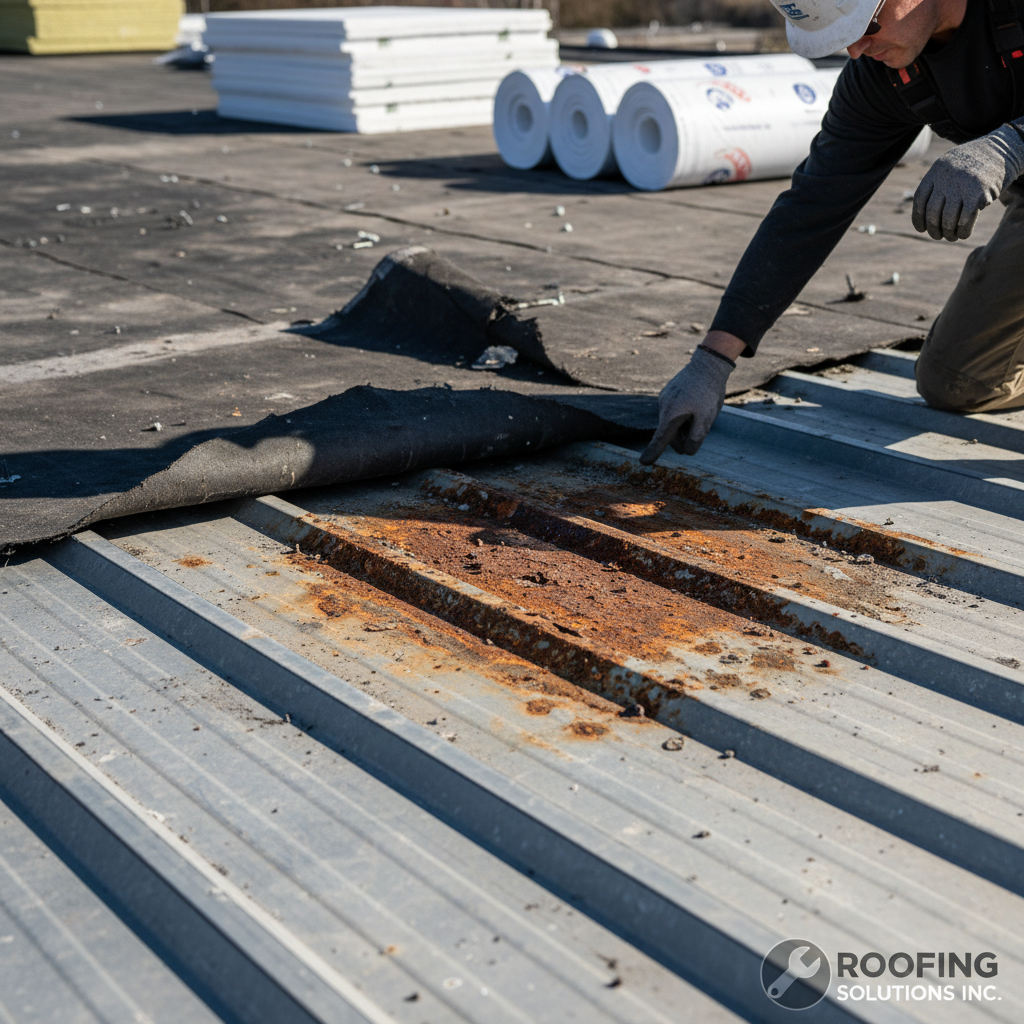
It is crucial to understand that the $8.00 to $12.00 per square foot figure for a TPO system typically covers the core roofing assembly only: insulation, cover board (if specified), membrane, and flashings. Tear-off, disposal, and especially deck repairs are almost always additive to the base per-square-foot price.
Tear-Off and Disposal
Before a new roof can be installed, the old one must be removed. The cost of this varies depending on the existing system.
- Tearing off existing TPO or EPDM: $1.50 - $2.50 per square foot.
- Tearing off heavy BUR or Modified Bitumen: $2.00 - $3.50 per square foot due to the increased weight and labor.
- Tearing off a second roof assembly: $2.50 - $4.00 per square foot. Building codes generally limit roofs to two assemblies. If a second roof must be removed, the labor and disposal costs increase significantly.
Deck Repairs
Deck repairs are the largest financial unknown in any reroofing project. The condition of the underlying structural deck (whether wood, metal, or concrete) cannot be fully assessed until the old roof is removed. A contract should clearly state the unit price for deck repair (e.g., per square foot of metal deck replaced). These costs can run from $3.00 to $8.00 per square foot of the affected area. It is wise to hold a contingency of 20-30% of the total contract value specifically for potential deck repairs.
The Lifecycle Cost Argument: Why Cheaper Isn't Always Better
When evaluating bids, the temptation to choose the lowest price is strong. However, a slightly higher upfront cost for a better-specified system often results in a lower total cost of ownership. Consider this simple lifecycle cost analysis:
- Roof A (Better Spec): A 60-mil, fully adhered TPO system with a cover board costs $9.50 per square foot. With its robust specification, it has a realistic service life of 18 years in the Texas sun. The annualized cost is $0.53 per square foot per year.
- Roof B (Cheaper Spec): A 45-mil, mechanically attached TPO system with no cover board costs $8.50 per square foot. This lower-spec system has a shorter expected service life of 15 years. The annualized cost is $0.57 per square foot per year.
In this scenario, the "cheaper" roof is actually more expensive over its lifespan. It also carries a higher risk of leaks and premature failure, especially in a region known for severe weather. Investing in the right specification from the start protects your asset and delivers better long-term value.
Ultimately, the key to navigating TPO roofing costs is to move beyond the single per-square-foot number and scrutinize the specifications. A reputable contractor will not just give you a price; they will explain the options and help you build a roofing system that matches your building’s needs and your financial goals. The best approach is always to request a a comprehensive roof inspection to get a detailed, transparent proposal based on your property's specific conditions.
All 14 deliverables complete.Tags: TPO roofing cost Texas, TPO roofing cost per square foot 2026, commercial TPO roofing price Dallas, TPO roof replacement cost DFW, how much does TPO roofing cost, TPO roofing cost guide commercial, TPO vs EPDM cost Texas, TPO roofing price per square foot Texas, commercial TPO installation cost, TPO membrane thickness cost difference