
TPO Membrane: Ultimate Guide to Energy-Efficient, Durable Single-Ply Roofing Membranes
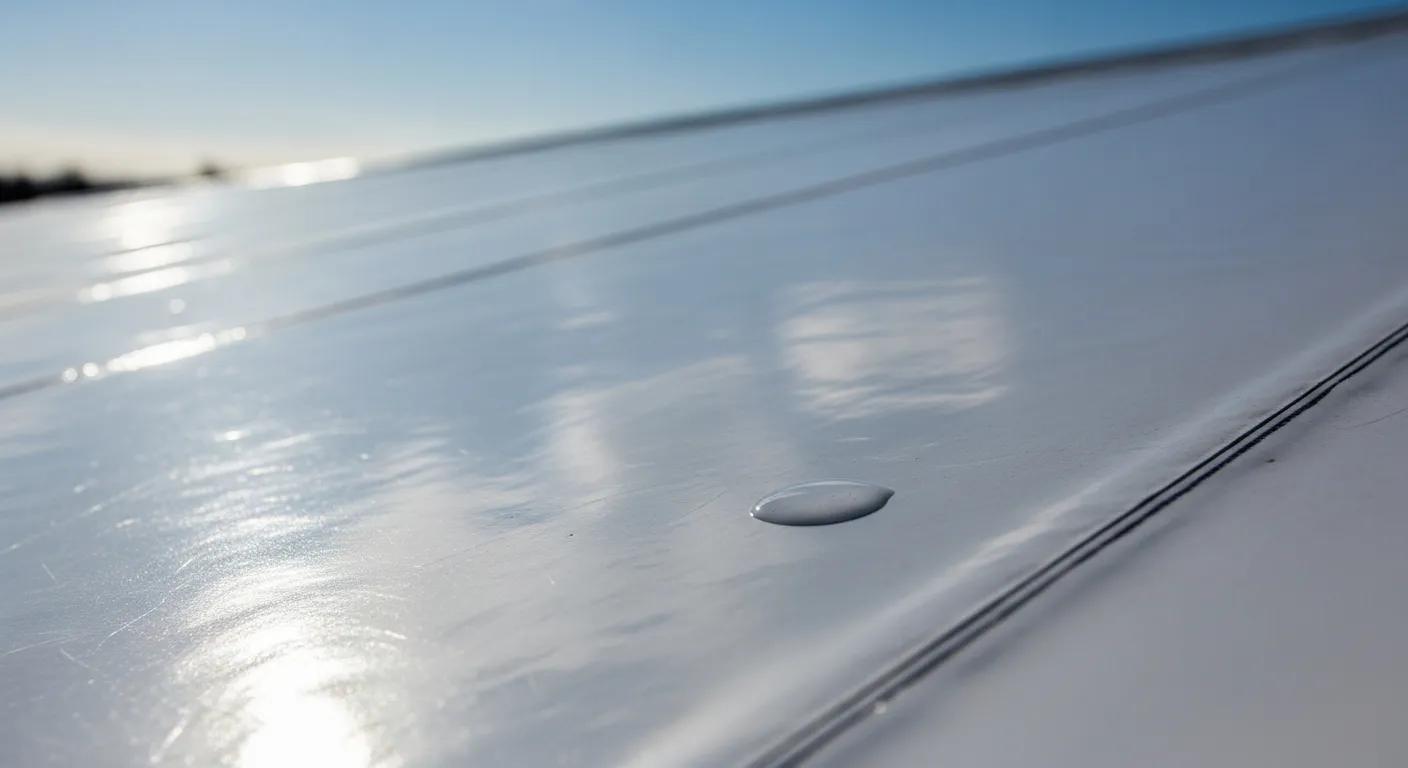
Discover why TPO membrane roofing is the leading choice for commercial buildings. Learn about energy savings, installation methods, durability advantages, and cost factors. Compare TPO with EPDM and PVC to make informed decisions for your flat roof project.
Thermoplastic Polyolefin (TPO) membrane is a single-ply roofing material engineered for low-slope commercial and industrial roofs that balances energy efficiency, weather resistance, and cost-effectiveness. This guide explains what TPO is, how it reduces cooling loads through reflective surface properties, why its welded seams and multi-layer construction deliver durability, and how those attributes translate into lifecycle value for building owners and facility managers. Many building owners face high summer cooling bills, seam failures on aging roofs, or unclear trade-offs between membrane options; TPO addresses those pain points by offering a white, reflective surface, heat-weldable seams, and multiple thickness options to match exposure and traffic demands. In the sections that follow you will find evidence-based benefits, practical installation methods (heat welding, mechanical fastening, fully adhered), clear comparisons with EPDM and PVC, maintenance protocols to maximize service life, and the primary cost drivers that influence 2025 market pricing. Throughout, this article uses current research perspectives and industry practice to help you choose, specify, and maintain TPO membrane systems for durable, energy-efficient roofing outcomes.
Further research delves into the specific chemical composition and classification of TPO as a thermoplastic elastomer olefin for roofing applications.
TPO: Thermoplastic Elastomer Olefin for Single-Ply Roofing
- If the rubber phase is non-crosslinked, it is called as thermoplastic elastomer olefin (TPO). Nowadays TPEs are introduced into the commercial market with different products. However, the application of TPE as a roofing material is limited. Out of the commercially available roofing products from different materials, only single ply roofing membranes and plastic roofing sheets are produced from rubbers and plastics.
- Identification of the best blend composition of natural rubber-high density polyethylene blends for roofing applications, W Wickramaarachchi, 2019
What are the benefits of TPO membrane roofing for energy efficiency, durability, and sustainability?
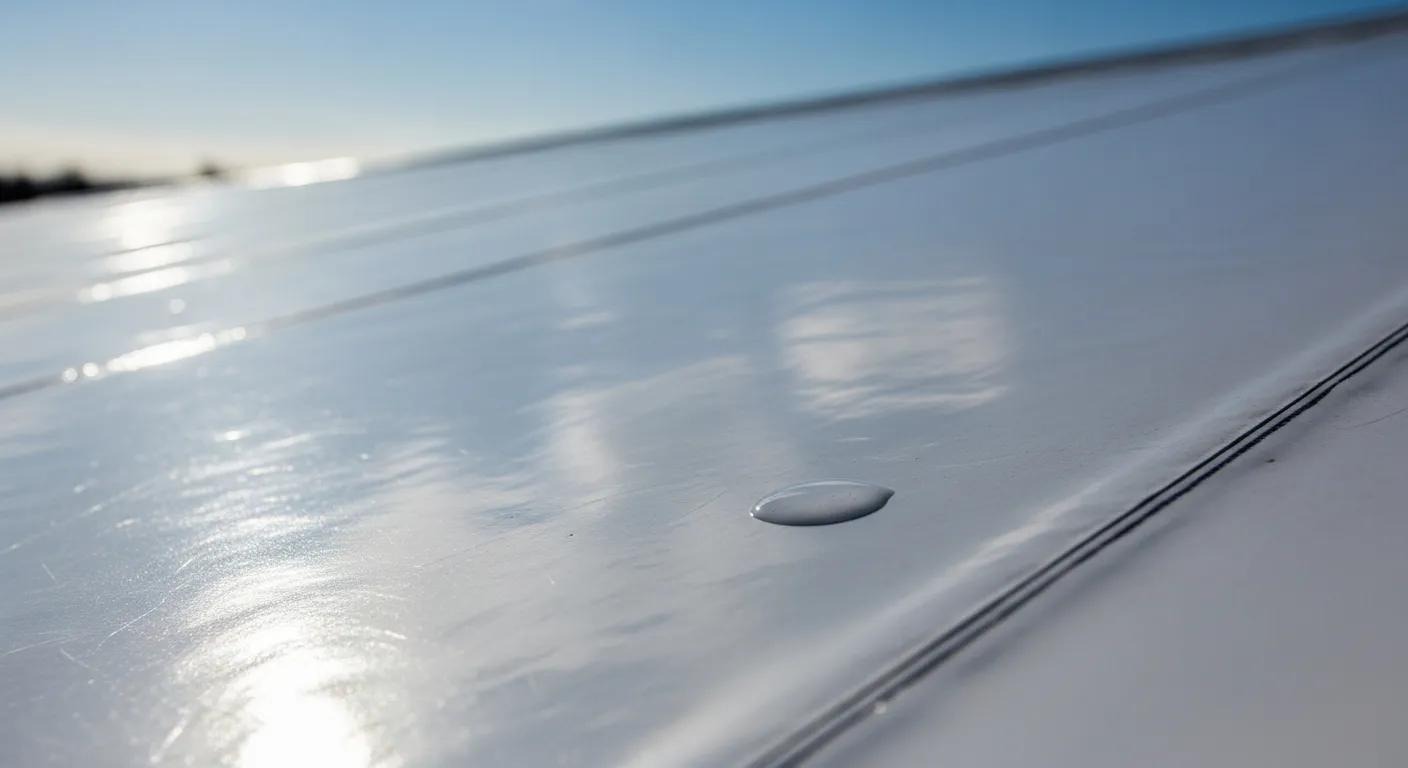
TPO membrane roofing delivers three interconnected benefits: energy performance via a reflective surface that reduces rooftop heat gain, mechanical durability through compound and scrim layers that resist punctures and weathering, and sustainability advantages such as recyclability and compatibility with cool-roof programs. The membrane’s thermoplastic top ply and polyester scrim form a lightweight assembly that can be specified in different thicknesses (for example, 45, 60, and 80 mil thicknesses) to align uplift resistance and traffic demands. Because reflective white TPO lowers surface temperature it reduces HVAC cooling demand on sunny days; in practice this energy-performance effect is realized when membranes are selected and installed with attention to emissivity, roof geometry, and insulation. Sustainability is reinforced by TPO’s thermoplastic chemistry, which allows for recycling at end-of-life in many markets and contributes to credit paths under green building programs when paired with high-R-value insulation. The next subsections break energy savings and UV resistance into measurable mechanisms and then examine the construction features that drive long-term durability.
This table summarizes how TPO’s core benefits map to measurable outcomes for building owners.
This comparison highlights why TPO is often chosen for energy-sensitive, low-slope applications and sets up the detailed mechanisms in the following subsection.
How does TPO improve energy savings and UV resistance?
TPO improves energy savings primarily through solar reflectance (albedo) and thermal emissivity: the membrane reflects a significant portion of incident solar radiation and radiates absorbed heat away, which lowers rooftop temperatures and reduces peak cooling loads. White TPO formulations also incorporate UV stabilizers and antioxidants in the top ply to slow photochemical degradation, preserving reflectivity and physical properties over years of sun exposure. In practical terms, choosing a high-reflectance membrane and pairing it with appropriate insulation increases the chance of measurable HVAC energy savings and supports cool-roof programs. When selecting a system, evaluate manufacturer data on solar reflectance and long-term aging tests, and specify maintenance that preserves surface cleanliness to maintain reflectivity over the membrane’s service life.
In what ways is TPO durable against weathering and punctures?
TPO’s durability stems from a multi-component construction: a TPO top ply formulated for weathering, a polyester scrim for tensile strength, and a backing that stabilizes the sheet—these components work together to resist common stressors. Membrane thickness (45, 60, 80 mil) is a primary thickness-level choice that affects puncture resistance, seam strength, and longevity under foot traffic or hail. Proper installation—consistent heat-welded seams, careful detailing at flashings, and protection in high-traffic zones—significantly reduces long-term seam failures and puncture incidents. Preventative measures such as walkway pads, rooftop protection boards, and routine inspection are essential to maintain performance and realize the lifespan expectations that modern TPO formulations can deliver.
How is a TPO membrane installation performed?
A successful TPO installation follows a sequence of substrate preparation, insulation and deck detailing, membrane layout, and seam welding or fastening, concluding with quality assurance checks to verify seam integrity and adhesion. Installers typically decide among three primary attachment methods—heat welding seams on field-applied sheets, mechanically fastening sheets to the deck, or fully adhering sheets with compatible adhesives—based on roof size, deck type, wind uplift requirements, and project budget. Site preparation includes confirming deck flatness, removing contaminated materials, performing moisture and substrate tests, and ensuring proper edge and drainage details; these steps reduce rework and improve long-term performance. Final QA uses seam testing, visual inspection, and adhesion sampling where applicable, and proper sequencing of these checks prevents premature failures. The next subsection compares the three main attachment methods and their trade-offs, then the following subsection covers critical preparation and inspection tasks.
Before the method-specific table below, note that selection of installation approach affects labor, schedule, and warranty conditions and should be coordinated with the project’s structural, thermal, and wind-resistance specifications.
What are the main installation methods: heat welding, mechanical fastening, and full adhesion?
Heat welding creates continuous thermoplastic seams that fuse membrane plies into a cohesive joint, producing high seam strength and leak resistance when performed by certified welders.
Studies confirm that the quality of these heat-welded seams is highly dependent on precise control of welding parameters.
TPO Membrane Welding: Optimizing Lap Quality
-
- Taking the TPO waterproofing membrane as an example, the influence of temperature, speed and welding pressure on the welding quality was studied. The results show that temperature, speed and pressure on the lap quality during the welding process are significant.
- Experimental Study and Application of TPO Waterproofing Membrane Lapping Process Parameters, 2025
Mechanically fastened systems use plates and fasteners to secure membrane edges and field sheets to decks; they are often faster and can be cost-effective for large expanses but require careful edge details to minimize wind uplift. Fully adhered systems bond the membrane to insulation or substrate with low-rise adhesives or tapes, offering improved wind performance and a smooth appearance; however, they demand strict substrate cleanliness and may increase material costs. Choice of method should reflect wind zone requirements, deck type (concrete, metal, wood), project budget, and desired serviceability.
What preparations and quality checks ensure a successful TPO installation?
Preparation begins with a comprehensive roof survey: confirm deck soundness, measure substrate flatness, identify wet insulation or deck deterioration, and map penetrations and drainage to plan flashing and slope improvements. Moisture testing—including infrared or core sampling where indicated—avoids trapping water under new membranes, and specifying appropriate vapor control layers prevents future condensation issues. During installation, seam continuity must be verified with destructive and non-destructive seam tests, welders should be certified, and adhesive coverage rates must meet manufacturer criteria for fully adhered systems. A final punchlist and documented QA checklist that includes seam adhesion, flashing integrity, and drain performance help ensure the installed system meets design and warranty requirements.
How does TPO compare with EPDM and PVC for commercial roofs?
TPO, EPDM, and PVC are all single-ply roofing options for low-slope applications, but they differ in seam technology, thermal performance, chemical resistance, and maintenance profiles—differences that make each suitable for particular climates and use-cases. TPO typically offers superior solar reflectance compared with black EPDM, giving it an edge for cooling-sensitive buildings, while EPDM often provides cost advantages and proven long-term resilience in some service conditions. PVC offers robust chemical resistance and strong seam performance via heat welding, making it a good choice where rooftop chemical exposure or grease is present, though it can be costlier than TPO in many markets. The concise table below summarizes relative strengths and a brief guidance on whether TPO might be the better choice.
- TPO can be the preferred option when cool-roof performance and weldable seams are priorities.
- EPDM may be preferred for simple, cost-driven projects where reflectivity is less critical.
- PVC is often chosen for chemical exposure scenarios despite higher material costs.
This short comparative view leads into deeper TPO vs EPDM and TPO vs PVC comparisons to guide selection based on lifespan, maintenance, and installation differences.
TPO vs EPDM: lifespan, cost, and maintenance differences?
TPO generally provides better solar reflectance and lower cooling loads than black EPDM, which influences lifecycle energy costs in hot climates.
Further research specifically highlights the thermal performance differences between TPO and EPDM, particularly concerning solar reflectance and thermal degradation.
TPO vs. EPDM: Solar Reflectance & Thermal Performance
-
- a light colored roof with a high solar reflectance and high thermal emittance. In this study, TPO and EPDM are compared in terms of their effect on thin-film thermal degradation.
- Thermal Comparison of Reflective and Non-Reflective Roofs with Thin-Film Solar Panels, S Celik, 2012
EPDM offers proven resilience with simpler detailing (large sheets and adhesive or tape seams) and can be less sensitive to installation technique for some contractors, often translating to lower installed material costs. Maintenance-wise, EPDM seams and flashings may require more frequent attention in highly trafficked areas, while TPO seams, when properly heat-welded, deliver stronger long-term continuity; however, TPO’s lifecycle depends heavily on initial seam quality and routine inspections. Decision factors should include climate, expected rooftop traffic, and priorities between upfront cost and energy-related savings.
TPO vs PVC: installation and performance differences?
PVC and TPO both employ heat-weldable seams, but PVC has historically demonstrated stronger chemical resistance to oils, greases, and certain solvents, which makes PVC preferable on restaurant or industrial rooftops. TPO has improved seam technology and offers competitive seam strength with modern formulations, while typically providing a cost advantage over PVC in many markets. Installation complexity for both centers on welding quality and flashing details, but PVC may require specialized welding equipment for thicker formulations; TPO installers must also manage thermal welding technique carefully to avoid weak seams. Ultimately, select PVC where chemical exposure is a known risk and TPO when cool-roof performance and cost efficiency are the priority.
How should a TPO roof be maintained to maximize lifespan?
Routine maintenance is essential to preserve TPO membrane performance: scheduled inspections, gentle cleaning to maintain reflectivity, timely repair of punctures and seam defects, and proactive management of drainage and roof penetrations extend service life and protect warranty coverage. A maintenance program should combine periodic visual inspections with a documented checklist, reactive repairs within short windows after detection, and targeted cleaning campaigns to remove dirt and biological growth that degrade solar reflectivity. Properly addressing ponding water, edge flashings, and mechanical damage reduces the chance of moisture intrusion into the assembly. The following checklist and list of preventive routines provide clear, actionable steps for facility teams and service contractors to follow.
What routine inspections and cleaning routines are recommended?
A practical inspection routine pairs quarterly surface walks with annual in-depth inspections that include drains, flashings, and documented condition photos; every inspection should be recorded to create a maintenance history for warranty compliance. Cleaning should use low-pressure water, soft brushes, and manufacturer-approved detergents to avoid damaging the TPO compound or additives that preserve reflectivity; abrasive scrubbing and solvent cleaners should be avoided. For visible soiling that threatens reflectivity, schedule cleaning campaigns in spring and late summer, and immediately address bird droppings or grease near rooftop equipment. Keeping a consistent maintenance log and coordinating repairs with qualified technicians preserves both energy performance and membrane integrity.
How can you prevent common issues like ponding and seam failures?
Design and maintenance measures reduce ponding and seam failure risk: incorporate positive slope or tapered insulation to direct water to drains, verify drain capacity during retrofits, and install sump pans or additional drains where architectural constraints create low spots. For seams, require certified welders, enforce seam testing during installation and after repairs, and specify seam reinforcement in high-stress or kicker areas. Quick mitigations—such as temporary pump-out for unexpected ponding and immediate patching of punctures—buy time until permanent repairs can be made. A proactive approach that combines sound design, strict installation QA, and scheduled maintenance minimizes the principal causes of premature TPO failures.
What factors influence the cost of TPO roofing per square foot?
Several factors drive the installed cost of a TPO roofing system: membrane thickness and width, attachment method and labor intensity, insulation type and required R-value, roof complexity (penetrations, parapets, height/access), and accessory materials like flashings and edge trims. Regional labor markets, warranty levels, and contractor certification can shift pricing, while substrate repairs and removal of existing materials add scope and cost. For 2025 market planning, framing cost scenarios (simple replacement, moderate complexity, and full retrofit with deck repairs) helps owners estimate budgets and identify which choices—membrane thickness, attachment method, insulation—move the price point. The following table breaks down key cost
drivers and their typical impact on $/ft².H3: What components drive material and labor costs?
Material components that drive cost include the TPO membrane (thickness and roll width), insulation boards (polyiso, XPS) and coverboards, fasteners and plates for mechanically fastened systems, adhesives for fully adhered systems, and metal flashings and edge trims. Labor costs hinge on crew size, welding and installation skill level, crane or hoist requirements for rooftop access, and the time required for substrate prep and detail work. Roof complexity—number of penetrations, rooftop equipment, and parapet details—multiplies labor hours for flashing and waterproofing, while safety measures for height or hazardous conditions can add to total installed costs. Prioritizing early condition assessment reduces surprises that inflate labor and materials late in the project.
What are typical 2025 cost ranges per square foot for TPO roofing?
As of 2025, market pricing varies widely by region and project complexity; a simple, single-layer re-roof on a low-complexity building typically falls at the lower end of the range, while full-system retrofits with insulation upgrades and deck repairs sit at the higher end. Typical scenarios include basic reroof installations that are cost-efficient, mid-range projects with new insulation and selective decking repairs, and complex retrofits requiring structural or extensive substrate work that push $/ft² higher. When budgeting, obtain multiple contractor proposals that specify membrane mil thickness, attachment method, insulation R-value, and warranty terms to compare apples-to-apples pricing. Regional labor rates and certification of installers for manufacturer warranties are crucial variables that will influence where your project sits within the market range.
This list highlights practical actions owners can take to control cost without sacrificing performance.
- Obtain a thorough roof survey and moisture scan before pricing to avoid surprise repairs.
- Specify membrane thickness that matches traffic and exposure needs rather than defaulting to the thinnest option.
- Compare fully adhered, mechanically fastened, and heat-welded approaches for lifecycle cost, not just initial installation price.
These measures help balance upfront costs and long-term value, ensuring the selected TPO system meets performance and budget expectations.
- Best-practice procurement: Issue clear scope documents that define insulation, membrane thickness, attachment method, and warranty.
- Quality over lowest bid: Favor contractors with certified welders and documented QA processes to reduce lifecycle repair costs.
- Lifecycle thinking: Consider energy savings from reflective membranes and insulation upgrades in the financial decision-making process.
Information on leading manufacturers and market suppliers may help inform specification choices. Among manufacturers commonly referenced in industry reports are Carlisle SynTec Systems, GAF Materials Corporation, Firestone Building Products (Bridgestone), Johns Manville, Siplast, and Owens Corning; review manufacturer performance data and available warranties to match membrane selection to project goals.
Conclusion
Choosing TPO membrane roofing provides significant benefits, including enhanced energy efficiency, durability against weathering, and sustainability through recyclability. This guide has equipped you with essential insights to make informed decisions about TPO systems, ensuring long-term value for your roofing investment. To explore our range of TPO products and installation services, visit our website today. Maximize your building's performance and longevity with the right roofing solution.
Ready to upgrade to energy-efficient TPO membrane roofing?
Contact TriVAN Roofing for expert installation across Texas and Oklahoma. Our certified installers specialize in heat-welded TPO systems that deliver superior performance and long-term value. From Dallas/Fort Worth to Oklahoma City and San Antonio, we provide comprehensive assessments, transparent pricing, and manufacturer-backed warranties. Schedule your free commercial roof evaluation today and discover how TPO can reduce your cooling costs while protecting your building investment.
Contact Us Today