
Essential Guide to Long-Term Care for Commercial Roofs
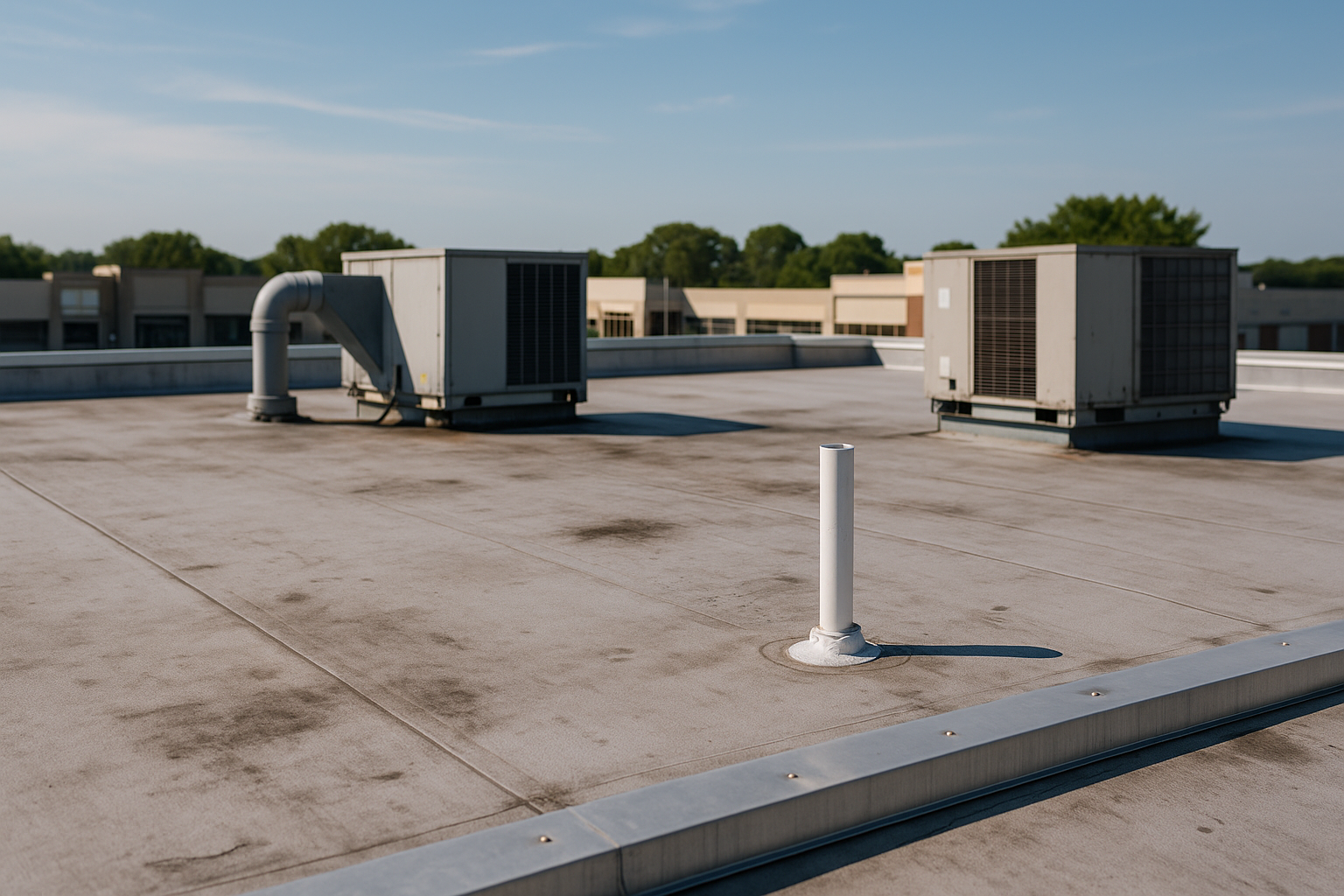
A structured maintenance plan cuts lifecycle costs, protects warranties, and safeguards commercial buildings. Discover how to maximize roof lifespan with proactive care, inspections, and repair strategies.
Long-term commercial roof care means following a clear, repeatable program of inspections, preventative repairs, cleaning, and record-keeping to slow material wear and lower total lifecycle cost. This guide shows how targeted commercial roof maintenance and preventative work together to extend roof life, protect building assets, and keep warranties intact. Property managers and business owners often face expensive surprises from leaks, storm damage, and premature membrane failure. A steady maintenance plan catches problems early and focuses attention on the roof components that matter most. Read on to learn why long-term roof care pays off, how often to inspect, what a full maintenance plan looks like, how coatings help in hot climates, and when to repair versus replace. You’ll also find inspection checklists, material-specific care tips for flat and standing-seam metal roofs, and maintenance comparisons tuned for Texas and Oklahoma weather. Keywords like commercial roof maintenance programs, roof maintenance checklist, and free commercial roof assessment are woven through to help you find the right next steps for keeping a commercial roof serviceable as long as possible.
Why Is Long-Term Commercial Roof Care Essential for Business Owners and Property Managers?
Long-term commercial roof care is a proactive program of scheduled inspections, cleaning, repairs, and documentation that cuts down on surprises and lifecycle expense. The idea is simple: routine checks fix small problems, such as failed seals, loose flashings, and clogged drains, before they become leaks or structural issues, preserving both the roof membrane and interior spaces. For owners and managers the primary value is financial: preventative care reduces emergency repair bills, defers replacements, and limits downtime from interior damage. Below is a quick list of the practical benefits and a lead-in to inspection timing and hands-on checklists.
What are the key benefits of preventative commercial roof care?
-
Cost avoidance and ROI: Regular maintenance prevents expensive emergency work and can postpone replacement, lowering lifecycle cost.
-
Warranty preservation: Scheduled inspections and documented repairs help maintain manufacturer compliance and reduce the risk of denied claims.
-
Asset protection and uptime: Proactive care limits leaks that cause interior damage, mold, and business interruptions.
-
Energy performance: Maintenance and appropriate coatings can improve reflectivity and cut cooling loads in hot climates.
What Are the Key Benefits of Preventative Commercial Roof Care?

Preventative roof care delivers measurable financial and operational benefits by finding issues early and protecting remaining service life. Spotting membrane wear or failing flashings lets you do targeted repairs instead of full replacements, which improves ROI and reduces lifetime spending. Good documentation, photos, dated inspection reports, repair logs, also helps preserve warranties and proves compliance if a manufacturer reviews a claim. These outcomes show why inspection discipline and scheduled maintenance are the foundation of solid roof asset management; next we’ll cover inspection frequency and specific checklist items to make that discipline repeatable.
A well-run roof maintenance management system is essential for a commercial roof’s longevity and performance.
Effective Roof Maintenance Management Systems for Commercial Buildings
A structured roof maintenance system is critical to extending a commercial roof’s life. Regular inspections, preventative repairs, and scheduled cleaning slow material deterioration and reduce lifecycle cost. This proactive approach catches problems early, prevents major damage, and helps preserve warranty eligibility.
A comparison of the roof maintenance management systems of two public sector organizations, 2002
How Does Regular Maintenance Save Costs and Preserve Roof Warranties?
Regular maintenance turns unpredictable, high-cost failures into predictable, lower-cost interventions: sealing, patching, and replacing small components at the right time. Early fixes for ponding areas, resealed flashings, and replaced fasteners stop water intrusion that otherwise leads to expensive interior repairs and downtime. On the warranty side, many manufacturers require routine inspections and documented maintenance to keep coverage valid; consistent records of inspections and corrective work reduce the chance of a denied claim. Knowing this link between records and warranty health helps teams prioritize documentation and follow-up workflows, and it sets up the practical inspection checklist that follows.
How Often Should Commercial Roofs Be Inspected? A Complete Commercial Roof Inspection Checklist
We recommend at least two inspections per year plus checks after major weather events. Biannual baseline inspections, paired with event-driven reviews, catch both slow wear and sudden storm damage. Regular checks reveal membrane wear, flashing separation, clogged drains, and seam issues before they escalate, making repairs easier and less costly. Inspections come in two useful forms: quick in-house checks for obvious problems and professional, documented inspections that include measurements, photos, and repair recommendations. Both matter and work together. The checklist below highlights critical points for flat and metal roofs and presents an actionable table to keep inspections consistent.
Routine inspection checklist, quick items to verify after each observation period:
-
Visual membrane review: Scan for cracks, blisters, and seam separation that signal integrity loss.
-
Drainage and ponding: Look for standing water and confirm drains and scuppers are clear and functioning.
-
Flashings and penetrations: Check seals around roof penetrations, curbs, and rooftop equipment for gaps or deterioration.
-
Metal seams and fasteners: On metal roofs, verify seam engagement, check for corrosion at fasteners, and note panel distortion.
This quick checklist is a practical starting point; the table below ties roof components to inspection thresholds to make reporting and decision-making consistent.
What Are the Critical Inspection Points for Flat and Metal Roofs?
Flat roofs need focused checks on the membrane, flashings, drains, and ponding-prone areas because these determine drainage and long-term membrane health. Look for membrane cracks or blisters, seam adhesion failures, clogged drains or scuppers that cause ponding, and worn edge flashings where wind uplift often starts. Standing seam metal roofs require checks for seam engagement, corrosion at fasteners, panel movement from thermal cycling, and secure perimeter and penetration flashings where leaks commonly begin. Using a standardized checklist that links each component to a specific action threshold makes it easier to document conditions and prioritize repairs, reducing interior damage risk and limiting warranty disputes.
When Should Inspections Be Scheduled for Optimal Roof Longevity?
Schedule professional baseline inspections twice a year, typically spring and fall, to prepare roofs for peak weather and catch seasonal stressors early. After severe weather (hail, high winds, heavy storms), schedule an event-driven inspection because those events can hide seam separations, impact damage, and accelerated membrane wear. In very hot climates, consider a mid-summer check focused on heat-related membrane brittleness and coating performance to protect energy-efficiency gains. Staggering inspections and keeping consistent reports helps you schedule maintenance before small issues become costly repairs, which sets the stage for a full maintenance plan.
What Does a Comprehensive Commercial Roof Maintenance Plan Include?
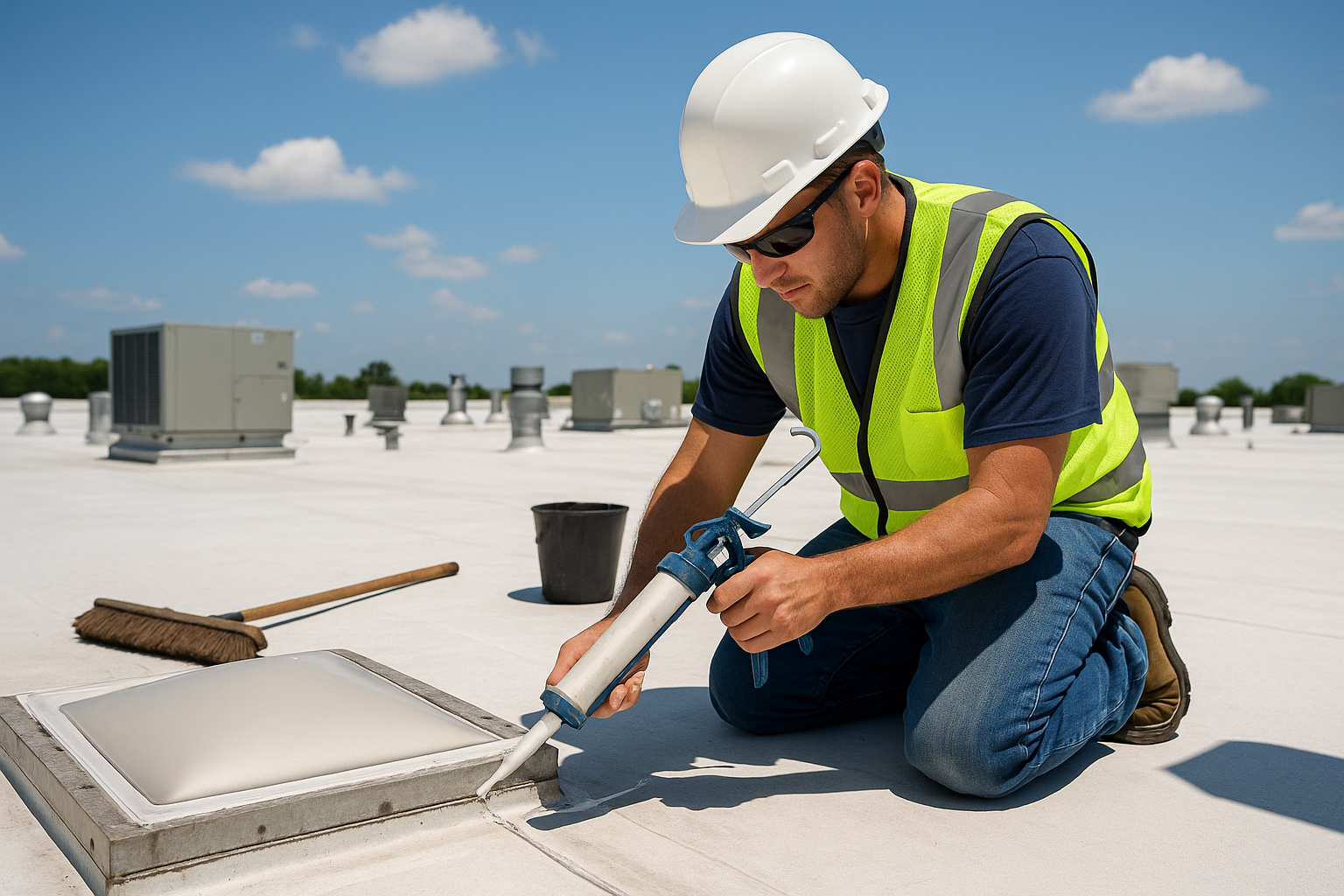
A full maintenance plan blends scheduled inspections, regular cleaning, minor preventative repairs, consistent drainage care, coatings where appropriate, and solid documentation to protect roof value over time. The approach is layered: inspections find defects, cleaning and drainage work remove ponding and biological growth, minor repairs stop intrusion, and documentation creates the record needed for warranty claims and long-term budgeting. Maintenance plans typically come in tiers, basic annual checks, mid-tier biannual service with targeted repairs, and premium programs with quarterly inspections, priority response, and comprehensive reporting, so owners can match coverage to risk and budget. Below is a compact comparison of common maintenance tasks, recommended cadence, and expected outcomes to help managers weigh options.
Maintenance task comparison table clarifies task cadence and expected outcomes so owners can choose program tiers wisely.
How Do Maintenance Programs Prevent Costly Repairs and Extend Roof Lifespan?
Maintenance programs lower lifecycle cost by converting unpredictable failures into scheduled, affordable repairs. Catching seam separation or flashing deterioration early lets you make targeted repairs rather than replace whole systems, and regular cleaning prevents biological growth and debris damage that accelerate membrane wear. Asset-management examples show routine maintenance can push replacement out several years, improving ROI, for example, deferring replacement by three to five years spreads capital expense and often saves money versus reactive strategies. These results help justify maintenance budgets and align inspection work with financial planning, and they point to customization for different roof systems and climates.
Decision analysis for commercial roofs typically aims to find a replacement strategy that minimizes total lifecycle cost, with average service lives often near 30 years.
Optimizing Commercial Roof Lifespan: Life-Cycle Cost Analysis
For many commercial roofs, the least-cost service life is roughly 30 years, though individual results vary. Decision analysis seeks the replacement timing that minimizes total lifecycle cost.
Life-cycle costs of commercial roof systems, DP Coffelt, 2010
What Customization Options Are Available for Different Roof Types and Regions?
Tailor maintenance to roof material, different flat membrane types versus standing-seam metal, and to regional stresses like high heat, hail, or freeze-thaw cycles common in Texas and Oklahoma. For flat roofs, focus on ponding prevention, seam reinforcement, and coating choices to boost reflectivity. For standing-seam metal roofs, emphasize seam engagement checks, corrosion control at fasteners, and allowances for thermal movement. Regionally, add more frequent summer checks in hot climates to monitor coatings and conduct immediate post-storm inspections in hail-prone areas to catch impact damage. These targeted approaches address the failure modes most likely to affect each roof and lead naturally into coating strategies that further protect and extend service life.
As an example, Trivan Roofing’s Maintenance Program is inspection-driven and tailored for Texas and Oklahoma: we prioritize drainage upkeep, seam and flashing repairs, and thorough documentation. Our process starts with a free commercial roof assessment to set the right inspection frequency and scope for each roof type, especially flat and standing-seam metal systems, and emphasizes preventative repairs that extend useful life. Using regional experience like this shows how tailored programs turn strategy into steady performance and prepares you to evaluate coating options next.
How Can Commercial Roof Coatings Benefit Your Roof’s Long-Term Care?
Roof coatings add a protective layer that can seal minor defects, boost reflectivity, and slow UV-driven degradation. Their benefit is both physical (a barrier against water and wear) and thermal (reflective coatings lower surface temperatures). In warm climates such as Texas and Oklahoma, reflective or elastomeric coatings can reduce roof surface temperature and cooling loads, while silicone coatings handle ponding water well by maintaining water resistance. Coatings aren’t a fix-all, but when matched to the roof material and applied with proper prep they can delay replacement and improve energy performance. The table below compares common coatings, their main benefits, and likely lifespan extensions to help pick the right option for local conditions and roof types.
Coating comparison helps weigh benefits versus regional suitability and expected lifespan improvement.
What Types of Roof Coatings Are Best for Texas and Oklahoma Climates?
In Texas and Oklahoma, coatings that boost reflectivity and UV resistance help with high solar loads, while silicone provides durable protection where ponding is common. Elastomeric or reflective coatings reduce surface temperature and can cut cooling energy during long, hot summers. Where storm-driven ponding occurs on flat roofs, silicone’s adhesion and water resistance make it a solid choice against standing-water leaks. The right coating depends on your roof material, drainage performance, and likely weather stressors, decisions best informed by inspection data and a tailored maintenance plan.
How Do Roof Coatings Improve Energy Efficiency and Protect Against Weather Damage?
Coatings improve energy efficiency mainly through higher solar reflectance, reducing absorbed heat and lowering heat transfer into the building, which reduces cooling demand. They also seal hairline cracks and surface porosity, slowing water intrusion and UV-driven polymer breakdown that weakens membranes. Energy savings vary by building and climate, but reflective systems in hot regions often deliver single-digit to low-double-digit percentage reductions in cooling energy. Applied as part of a maintenance program, coatings help preserve membrane condition and lengthen intervals between major restorative actions, integrating smoothly with inspection and repair schedules that sustain long-term performance.
When Is It Time to Repair or Replace a Commercial Roof? Understanding Repair vs. Replacement Decisions
Repair vs. replacement depends on roof age, extent and recurrence of damage, warranty status, structural concerns, and lifecycle cost. Repairs make sense when damage is localized, the structure is sound, and the remaining service life justifies focused fixes. Replacement is the right call when the membrane shows widespread failure, the structure is compromised, leaks are frequent, or the material has reached end-of-life, when repairs become ineffective or uneconomical. The quick decision points below help property managers weigh repair against replacement and show how preventative maintenance shifts that balance by extending useful life.
Quick decision criteria, repair vs. replacement
-
Age and expected lifespan: If a roof is near its material life end, replacement may be more cost-effective than repeated repairs.
-
Extent of damage: Localized problems usually favor repair; widespread membrane deterioration or structural issues point to replacement.
-
Recurring leaks: Frequent repairs for the same leaks suggest systemic failure that replacement will fix more permanently.
-
Warranty and ROI: Factor in warranty status and long-term ROI before choosing full replacement.
What Factors Influence the Choice Between Repair and Replacement?
Consider the roof’s chronological and effective age, the percentage of area affected, how often repairs have been needed, and any structural or substrate problems found during inspection. Effective age factors in past maintenance and environmental exposure; a well-maintained older roof may still be a repair candidate, while a neglected younger roof could need replacement because of hidden damage. Manufacturer warranties and recommendations also matter, some replacements are required to restore warranty coverage or to upgrade systems that aren’t repair-compatible. Use inspection data and cost scenarios to pick the option that minimizes long-term cost and operational risk.
How Does Preventative Maintenance Impact Roof Replacement Timing?
Preventative maintenance delays replacement by addressing common wear mechanisms, such as ponding, seam failure, and sealant breakdown, before they spread and force full membrane replacement. Maintenance can add several serviceable years depending on material and climate; even a few extra years defers capital expense and eases budgeting. Comparing two similar properties, one with a multi-year maintenance program and one without, the maintained roof almost always reaches replacement later, with lower cumulative repair costs and less interior damage. That difference demonstrates why routine maintenance is a cost-effective strategy compared with reacting only when failures happen.
All buildings need repair and maintenance (R&M) over their life. Skipping it shortens service life and raises costs.
Prioritizing Repair and Maintenance for Commercial Building Lifespan
Repair and maintenance (R&M) are essential throughout a building’s lifecycle. Without regular R&M, service life shortens and maintenance costs rise. It’s important to identify and prioritize appropriate repair and maintenance methods for commercial buildings.
Identifying and prioritizing the selection criteria of appropriate repair and maintenance methods for commercial buildings, J Tamosaitiene, 2021
How Does Trivan Roofing Support Long-Term Commercial Roof Care in Texas and Oklahoma?
Trivan Roofing is a licensed commercial roofing specialist serving Texas and Oklahoma. We support long-term roof care with inspections, leak repairs, ongoing maintenance programs, and full roof replacement when needed. Our regional experience with flat roofing and standing-seam metal systems lets us tailor inspection checklists and maintenance actions to the common failure modes here, heat-related membrane aging and storm damage among them. We offer a free commercial roof assessment as the first step: an on-site evaluation, a documented report, and prioritized recommendations to help you plan and budget. This local, service-first approach shows how a trusted regional specialist turns maintenance best practices into lasting results.
What Services Does Trivan Roofing Offer to Extend Commercial Roof Lifespan?
Trivan Roofing’s services, inspections, leak repair, maintenance programs, and roof replacement, work together to extend roof life by catching and correcting small defects before they become system failures. Inspections document membrane wear, flashing issues, and drainage problems that drive cleaning and targeted repairs; leak repair stops water intrusion and protects interiors. Our maintenance programs provide recurring visits and documentation that support warranty compliance and cut emergency costs, and replacement services give owners options when replacement is the right lifecycle decision. Framing services as part of an integrated program shows how each element lowers total cost of ownership over time.
How Can You Schedule a Free Commercial Roof Assessment with Trivan Roofing?
Booking a free commercial roof assessment with Trivan Roofing starts with a request through our contact channels or business profile. The assessment is a no-pressure, on-site inspection that includes photos and a clear list of recommended next steps. The report summarizes observed conditions, prioritizes repairs, and recommends a maintenance cadence tailored to flat and standing-seam metal systems in Texas and Oklahoma. You’ll also get a straightforward overview of service tiers so you can compare preventative maintenance against reactive strategies. For owners who want to protect assets and preserve warranties, a free assessment is the practical first step toward an inspection-driven maintenance plan.
Frequently Asked Questions
What are the signs that a commercial roof needs immediate attention?
Signs that a commercial roof requires immediate attention include visible water stains on ceilings or walls, frequent leaks, and noticeable sagging or bulging in the roof structure. Additionally, if you observe significant ponding water, cracked or blistered membranes, or rust on metal roofs, these are indicators of potential failure. Regular inspections can help catch these issues early, but if you notice any of these signs, it’s crucial to contact a roofing professional promptly to prevent further damage and costly repairs.
How can I choose the right maintenance program for my commercial roof?
Choosing the right maintenance program for your commercial roof involves assessing your roof type, age, and specific environmental conditions. Consider factors such as the frequency of inspections, the extent of preventative repairs, and the level of documentation provided. Programs can range from basic annual checks to comprehensive quarterly services. It’s essential to align the program with your budget and risk tolerance while ensuring it addresses the unique challenges posed by your roof material and local climate conditions.
What should I expect during a commercial roof inspection?
During a commercial roof inspection, you can expect a thorough evaluation of the roof's condition, including checks for membrane integrity, flashing seals, drainage systems, and any signs of wear or damage. Inspectors will typically document their findings with photos and detailed notes, highlighting areas that require immediate attention or future monitoring. The inspection report will also include recommendations for repairs and maintenance, helping you prioritize actions to extend the roof's lifespan and maintain warranty compliance.
How do weather conditions affect commercial roof maintenance schedules?
Weather conditions significantly influence commercial roof maintenance schedules. For instance, in regions prone to heavy storms or extreme temperatures, it’s advisable to conduct inspections before and after these events to assess any potential damage. Additionally, seasonal changes can affect roof performance; for example, summer heat may necessitate more frequent checks for thermal expansion issues, while winter may require inspections for ice damming. Tailoring your maintenance schedule to local weather patterns helps ensure proactive care and minimizes risks.
What role do roof coatings play in long-term roof maintenance?
Roof coatings play a vital role in long-term roof maintenance by providing an additional layer of protection against UV rays, moisture, and temperature fluctuations. They can seal minor defects, enhance reflectivity, and improve energy efficiency by reducing heat absorption. In climates like Texas and Oklahoma, reflective coatings can significantly lower cooling costs. Regularly applying coatings as part of a maintenance plan can extend the lifespan of the roof, delay the need for costly repairs, and maintain the roof's overall integrity.
How can I ensure compliance with manufacturer warranties during maintenance?
To ensure compliance with manufacturer warranties during maintenance, it’s essential to follow the recommended inspection and maintenance guidelines outlined in the warranty documentation. This typically includes conducting regular inspections, keeping detailed records of all maintenance activities, and using approved materials for repairs. Documenting each inspection with photos and reports can help demonstrate compliance if a warranty claim is ever needed. Engaging a certified roofing professional familiar with warranty requirements can also help maintain coverage and protect your investment.
Conclusion
A structured maintenance plan cuts lifecycle costs, protects warranties, and safeguards building assets. Regular inspections and targeted repairs prevent costly damage and stretch the useful life of roofing systems, keeping operations running smoothly. By prioritizing preventative care, property managers can avoid surprise expenses and keep roofs in good working order. Schedule your free commercial roof assessment with Trivan Roofing today to start protecting your investment.
Take the first step in extending your roof’s life.
Schedule a free commercial roof assessment with TriVAN Roofing and build a tailored maintenance plan that protects your property and budget.
Contact Us Today