
Top 5 Factors for Hiring a Church Roofing Contractor
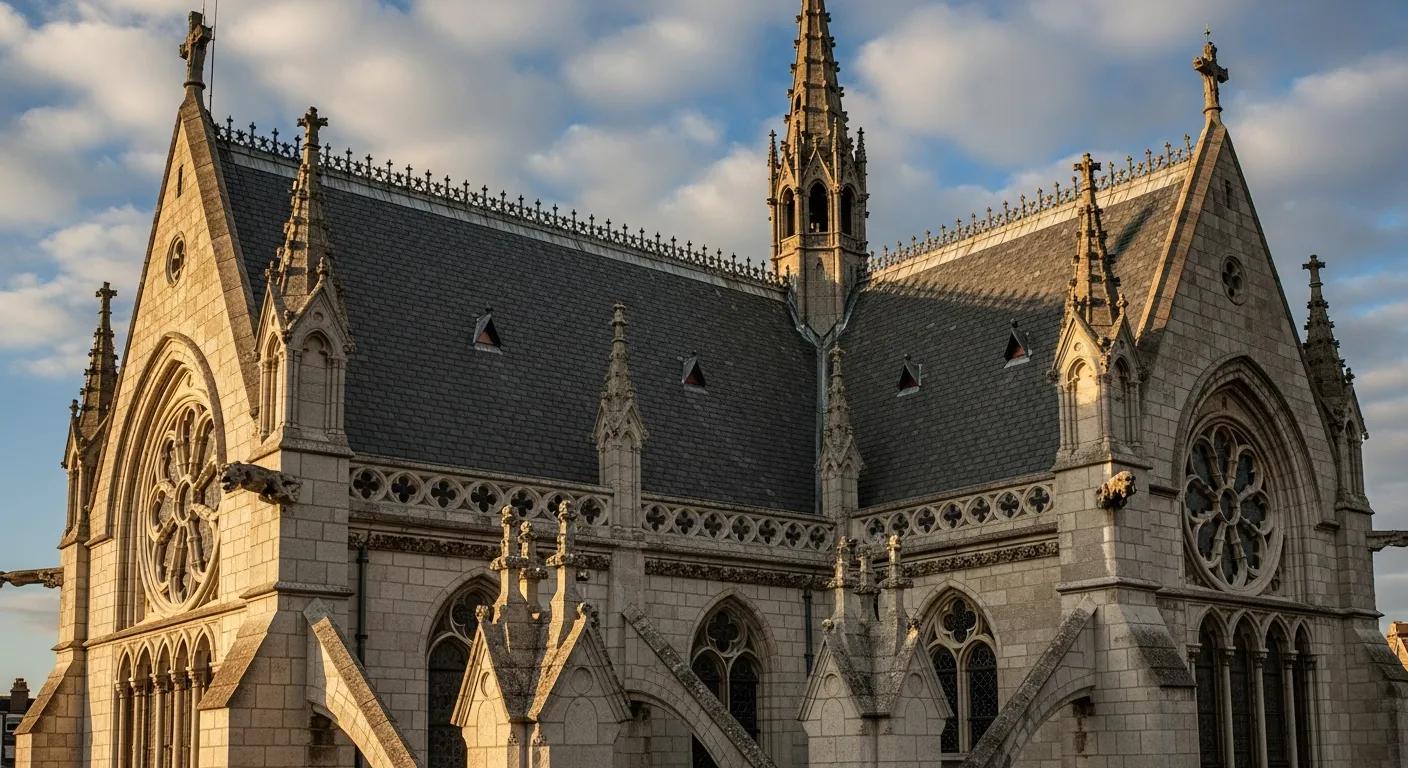
Church roofs require specialized expertise. Learn the five critical factors for selecting the right church roofing contractor, including experience verification, licensing requirements, material selection, and reputation checks to protect your historic building.
Church roofs carry architectural character, historical value, and practical performance requirements, so selecting the right contractor protects your building and reduces long-term risk. This guide lays out the five most important factors church leaders and facility managers should evaluate: specialized experience, licensing and insurance, communication and project management, material selection, and local reputation. You’ll find concrete vetting steps, the insurance types to request, proposal elements to insist on, material tradeoffs, and how to verify local case studies so roof repairs, replacements, or preservation work avoid costly surprises. While this advice applies broadly, TriVAN Roofing serves as a regional example: we operate in Texas and Oklahoma and focus on church roofing repair, replacement, and maintenance. We start with why church-specific experience matters, then cover legal protections, communication best practices, material choices, and local trust signals to confirm before hiring.
Why specialized experience matters when selecting a church roofing contractor
Church roofing is distinct from many commercial jobs, it combines steep pitches, ornate trim, historic materials, and preservation considerations. Contractors who understand those differences reduce risk, preserve the building’s appearance, and extend roof life. Skilled church roofers know how to safely access steeples, match slate or tile, detail flashing around historic trim, and navigate approvals that restoration projects may require. That expertise helps avoid delays and unexpected costs.
To confirm experience, ask for project case studies, high-resolution before-and-after photos, and contactable references who can speak to scope, schedule, and how problems were resolved. For churches in Texas and Oklahoma, look for local projects and evidence the contractor understands regional codes and weather impacts; TriVAN Roofing’s church work in this region is one example you can compare against other portfolios.
Below is a concise mapping of common church roof project types to the specific contractor capabilities you should verify.
That mapping shows why you should confirm past projects with similar constraints, it's the best way to judge whether a contractor’s experience fits your needs. Next, we explain how church roofing differs from typical commercial work so you can better read portfolios and ask targeted questions.
How church roofing differs from commercial roofing
There are three key differences: architectural complexity, material variety, and preservation priorities. Many commercial roofs are flat membranes with routine replacement cycles; church roofs are often steep, detailed, and built with historically significant materials like slate or clay tile. That demands different installation methods, structural checks, and protection of interior finishes. Knowing these differences helps you probe a contractor’s methods, crew training, and examples of similar work, information you’ll use when verifying portfolios and references.
How to verify a contractor’s church roofing portfolio and references
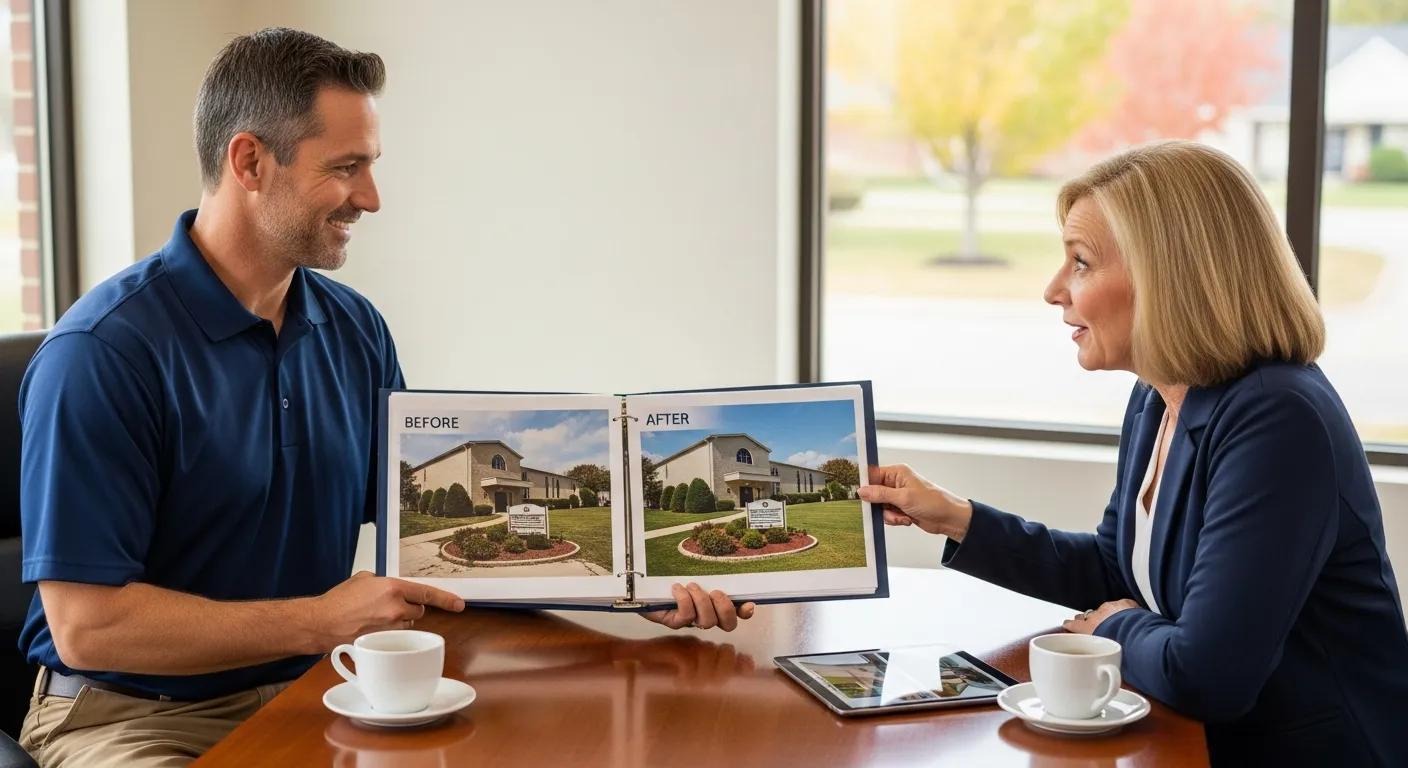
Verify portfolios methodically: request detailed case studies, compare before/after photos, and call references with focused questions about scope, schedule, and cleanup. Ask whether the contractor handled permitting, worked with preservation bodies when required, and protected interiors during services. When possible, cross-check photos against permit records or project addresses and look for multiple nearby jobs that show regional experience, local weather and building codes in Texas and Oklahoma can change recommended methods. These checks lead naturally to reviewing the contractor’s licensing and insurance documents, covered next.
What licensing, insurance, and certifications a church roofing contractor should have
Licenses, insurance, and certifications are primary protections for your congregation, property, and budget. Proper documentation shows legal compliance and financial responsibility; missing or inadequate coverage is a red flag. Essential items include general liability insurance, workers’ compensation, any state or municipal roofing licenses your jurisdiction requires, and manufacturer installer certifications for specialized materials. The checklist below highlights documents to request and why they matter, followed by a table that clarifies common insurance types.
When you request proof, ask for current certificates of insurance that list your church as an additional insured, verify license numbers with local licensing boards, and confirm manufacturer certifications for the products specified in the proposal. These steps reduce financial exposure and make proposal review straightforward, which we cover in the next section.
-
Request current certificates of insurance that name your church as an additional insured for the project.
-
Verify contractor license numbers with municipal or state licensing boards.
-
Ask for manufacturer installer certifications for slate, tile, metal, or membrane systems.
Confirming these items before signing a contract narrows exposure and supports smoother claims handling if an incident occurs. The table below summarizes common insurance types and what they protect.
Understanding these coverages helps you spot gaps on certificates and ask clear follow-up questions. Next we examine communication and project management practices that limit disruption and keep projects on track.
Which insurance policies protect your church during roofing projects?
Protecting a church project usually requires multiple policies working together so the contractor assumes responsibility for on-site events. General liability covers property damage and third-party injury claims; workers’ compensation covers employee injuries and prevents those claims from transferring to the church; builder's risk or professional liability can apply to large replacements or when design errors are possible. Request current certificates, check effective dates and policy limits, and insist your church be named as an additional insured for the project duration and any close-out warranty period.
Documenting insurance up front paves a clearer path for claims resolution and supports contract language that allocates responsibility appropriately. Next we cover local licensing and industry certifications.
Which local licenses and certifications should church roofers hold?
Licenses and certifications indicate legal standing and technical competence. Verify that the contractor holds any required state or municipal roofing license where your church is located and confirm active status with licensing boards. Look for manufacturer installer certifications that prove competency with specific systems, slate, standing-seam metal, tile, or membrane products. Certifications from manufacturer or inspection programs show crews are trained to install and maintain those systems. Also confirm the contractor understands local building codes in Texas and Oklahoma and any preservation guidelines that apply to historic properties. Complete these checks before awarding a contract to avoid surprises later.
With licensing and certification verified, communication and project management become the next critical factors for minimizing disruption.
How transparent communication and disciplined project management improve church roofing outcomes
Clear communication and strong project management reduce schedule slips, cost surprises, and disruptions to church activity. A detailed proposal with line-item costs, material specifications, timeline milestones, exclusions, and warranty terms forms the basis for accountability. A single point of contact and regular progress updates preserve continuity when plans change. Experienced project managers coordinate work around services and events, use phased sequencing to keep parts of the facility usable, and enforce site safety protocols to protect congregants and staff. Insist on these practices during selection and contracting.
Effective communication also includes a documented change-order process and contingency plans for weather or material lead-times, both reduce conflict and keep the job aligned with your congregation’s schedule. Below is a checklist of proposal elements and contractor tactics that minimize disruption.
-
Scope and exclusions: Clear description of work and what’s excluded.
-
Material specifications: Brand, model, and manufacturer warranty details.
-
Timeline and milestones: Start date, key milestones, and completion target.
-
Payment and change-order terms: Invoicing schedule and approval process for extra work.
-
Warranty and post-project support: Coverage period and what the warranty includes.
Including these elements in the signed contract creates clarity and reduces disputes. The next subsections explain what to expect inside proposals and how contractors should limit disruption during work.
What belongs in a clear proposal and detailed estimate?
A quality proposal is a project roadmap: scope of work, material specs, itemized costs, timeline, warranty terms, exclusions, and contingencies. It should name the onsite contact, describe the change-order workflow, and list cleanup and interior protection measures. Ask for manufacturer warranty documentation and installer certification references to validate claims and preserve warranty eligibility. Specific proposals make it easy to compare bids and reduce ambiguity.
How contractors can minimize disruption to church activities during roofing
Experienced contractors plan around services by using phased work, off-hours scheduling, protective coverings, and clear signage to manage safety, noise, and dust. Phased sequencing isolates work zones so the rest of the facility can remain in use. Contractors should provide a written safety plan with pedestrian routing, dust control, and emergency contacts. Put these tactics in writing before work starts so church leadership can coordinate events and reduce stress for the congregation while construction is underway.
Which quality materials and tailored solutions are best for church roofs?
Choosing materials requires balancing aesthetics, lifespan, structural capacity, and budget. Primary roofs on historic churches often benefit from durable, visually appropriate materials like slate or metal, while asphalt or single-ply membranes can work for secondary structures or annexes. Heavy materials such as slate or clay require compatible decking and framing; metal is versatile for complex shapes and steeples. Follow a decision flow: architectural assessment → structural capacity check → lifecycle cost comparison → material selection. The table below compares common materials on pros, cons, lifespan, and cost to help you weigh tradeoffs.
This comparison highlights how lifespan and aesthetics influence material choice. The next subsections break down pros and cons in practical terms and offer a process for matching materials to architecture and budget.
Pros and cons of common church roofing materials
Each material has tradeoffs. Slate delivers longevity and historic authenticity but needs structural reinforcement and specialized installation. Metal offers durability and flexibility for ornate features with good longevity and moderate cost. Tile creates a distinct aesthetic but is heavy and can be brittle. Asphalt is cost-effective for ancillary buildings but generally not suitable for main historic roofs. Maintenance frequencies differ as well, slate needs periodic slate replacement and flashing attention, while metal requires seam and fastener inspections. Weigh these factors against your building’s architecture and stewardship goals to pick the right material.
How to match roofing materials to architectural style and budget
Begin by documenting architectural constraints and any preservation requirements, then verify structural load capacity and permitting implications to rule out incompatible options. Evaluate total cost of ownership, initial price plus expected maintenance and replacement frequency, rather than only upfront cost. For historically designated properties, consult preservation authorities. Request proposals that include lifecycle cost estimates and recommended maintenance schedules so you can make a balanced, defensible choice that preserves character and fits available funds.
Why reputation and local presence matter when hiring church roofers
A local contractor’s reputation and track record reduce project risk by showing accountability, responsiveness, and familiarity with regional conditions like weather and code enforcement. Local referrals and recent reviews that mention church or historic work are strong indicators a contractor completes jobs and stands behind them. Case studies that document how logistical challenges were handled near congregations give additional assurance. Safety standards, ethical contracting practices, and community engagement are further trust signals to check. The checklist below highlights what to look for when evaluating reputation and local presence.
-
Recent reviews and testimonials referencing church or historic roofing work.
-
Local case studies with contactable references and clear project details.
-
Visible participation in community or local trade organizations.
These indicators help you separate contractors who merely claim competence from those who consistently deliver for institutions like yours. The next subsection explains how to interpret reviews and referrals, followed by expected safety and ethical practices.
How to read local referrals and online reviews for contractor reliability
Evaluate reviews for volume, recency, and detail, look for multiple recent reviews that mention similar church projects, schedules, cleanup, and responsiveness. When possible, request references and cross-check project details against public records or permit filings. Notice how a contractor responds to negative feedback; professional, timely replies indicate accountability and customer service. Combine review signals with local referrals to build a shortlist for interviews and bids.
Safety standards and ethical practices you should expect
Expect a documented safety plan aligned with OSHA, clear site signage and pedestrian routing, and crew use of PPE. Insist on a written change-order process to prevent surprise billing and require upfront disclosure of any planned subcontracting. Warranty terms should be in writing, and a dispute-resolution clause that outlines escalation and mediation steps is a good practice. Respect for property, protective coverings, tidy staging areas, and responsible debris disposal, reduces impact on church operations and reflects professionalism. Verify these elements before work begins.
For local verification, check contractor profiles on business platforms and ask nearby churches with similar work for referrals. Reputable contractors will provide verifiable references and case studies willingly.
For a no-obligation inspection or quote in Texas or Oklahoma, request service via TriVAN Roofing's Google Business Profile or church roofing hub.
Conclusion
Picking the right church roofing contractor protects your building’s integrity and preserves its historic value. Focus on specialized experience, the right licenses and insurance, clear communication, appropriate materials, and local reputation to reduce risk and support long-term stewardship. When you’re ready, request a no-obligation quote or inspection, choose a contractor who understands your community’s needs and delivers quality results.
Is your church considering roof repair or replacement?
Contact TriVAN Roofing for a free, no-obligation roof inspection. Our experienced team understands the unique challenges of church roofing in Texas and Oklahoma, from historic preservation to working around worship schedules. We provide detailed assessments, transparent proposals, and specialized solutions that protect your building's architectural integrity. Call us today or request your complimentary inspection through our website.
Contact Us Today