FM Global Roofing Requirements: What Commercial Property Owners Need to Know for Coverage Compliance
| By TriVAN Roofing | 10 min read
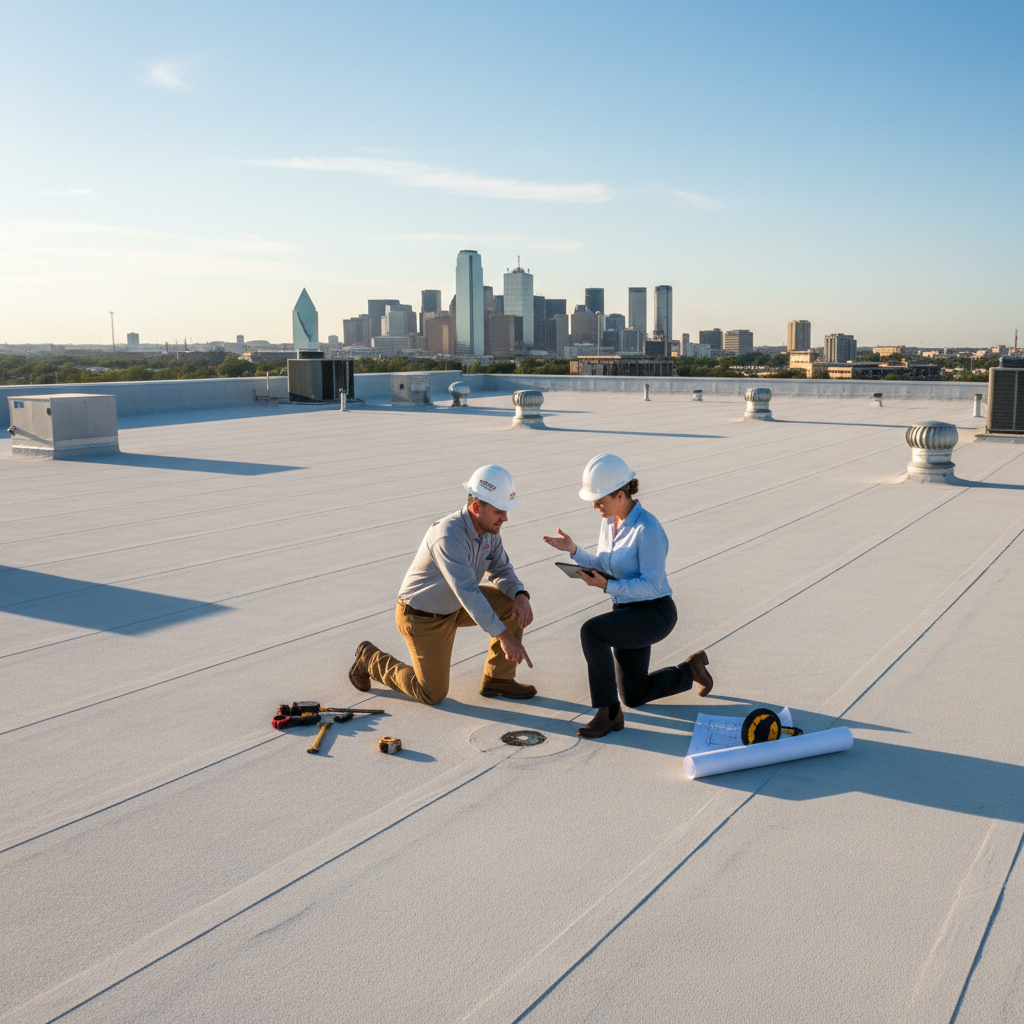
For properties with FM Global insurance, roofing isn't a choice; it's a compliance obligation. Learn about Data Sheets, RoofNav, VSH hail ratings, and the cost implications to protect your coverage and avoid unexpected expenses on your next project.
Categories: Industry Insights
For a commercial property owner in Texas or Oklahoma, choosing a new roof often involves weighing factors like cost, material longevity, and energy efficiency. But for properties insured by FM Global, the decision-making process is fundamentally different. It is not about preference; it is about compliance. A commercial roof replacement on an FM Global-insured building is governed by a strict set of engineering standards. Failure to understand and adhere to these requirements can lead to unexpected project costs, delays, and, most critically, potential gaps in your insurance coverage when you need it most.
Unlike standard insurance carriers, FM Global operates as both an insurer and a research-driven loss prevention organization. Their requirements are not suggestions. They are policy obligations. This guide explains what commercial property owners need to know about FM Global's roofing standards, from Data Sheets and RoofNav to the critical VSH hail rating, to protect their assets and ensure their coverage remains intact.
The FM Global Model: More Than Just an Insurance Policy
To understand FM Global's roofing requirements, you must first understand their unique business model. FM Global is a mutual insurance company, meaning it is owned by its policyholders. Its entire focus is on property loss prevention. Instead of simply pricing risk and paying claims, FM Global actively works with its policyholders to minimize or eliminate that risk in the first place. This is achieved through a deep commitment to scientific research and engineering.
This approach has two key implications for property owners:
- The Role of the Loss Prevention Engineer: Every policyholder is assigned an FM Global loss prevention engineer. This engineer regularly visits the insured property to conduct risk assessments and verify that the building and its systems comply with FM Global’s engineering guidelines. These are not simple walkthroughs; they are detailed technical reviews.
- The Compliance Obligation: As a condition of coverage, policyholders are expected to implement the recommendations made by their engineer. When it comes to roofing, this means the installed system must meet the specific performance criteria outlined in FM Global's documents for that exact property. A roof that is non-compliant is a direct violation of the policyholder's agreement.
This partnership model means that a roofing project is not just a transaction between the owner and a contractor. It is a three-way collaboration involving the owner, the contractor, and the FM Global engineer to ensure the final product is an insurable, resilient asset.
Decoding the Rulebook: FM Global Data Sheets
FM Global's engineering standards are published in a comprehensive library of documents called Property Loss Prevention Data Sheets. These data sheets provide detailed requirements for the design, construction, and maintenance of commercial properties. For roofing projects, two documents are particularly important:
- Data Sheet 1-29, Roof Deck Securement and Above-Deck Roof Components: This is the primary document for most low-slope roofing projects. It covers everything from how the roof deck itself is secured to the building structure to the performance requirements for insulation, cover boards, and membranes. It specifies the testing standards for wind uplift, fire resistance, and impact resistance.
- Data Sheet 1-7, Wind Design: This data sheet provides the methodology for calculating wind loads on building components, including the roof. The calculations from DS 1-7 determine the specific wind uplift rating a roofing system must achieve to be considered compliant for a given building, factoring in its geographic location, height, and surrounding terrain.
These documents are not generic guidelines. They are the technical rulebook that an FM Global engineer will use to evaluate a new or existing roof. A proposed roofing system must satisfy the specific criteria derived from these data sheets for that building's unique situation.
From Testing to Installation: FM Approvals and the RoofNav Database
FM Global does not just write the rules; it also tests the products. FM Approvals, its independent testing and certification division, evaluates building materials and assemblies to see if they meet the standards outlined in the Data Sheets. For low-slope commercial roofing, systems are tested under the FM 4470 standard. This rigorous process subjects entire roof assemblies to simulated wind uplift pressures, fire exposure, and hail impacts.
A roofing assembly that successfully passes these tests earns an "FM Approved" classification and is listed in the RoofNav database. RoofNav is FM Global’s searchable, online repository of all approved roofing assemblies. It is the single source of truth for identifying compliant systems.
This is a crucial distinction. A roofing product being "good" or even having a UL Class 4 rating is not the same as being part of an FM Approved assembly. An FM Approval applies to the entire system—from the deck and fasteners to the insulation, cover board, and membrane—installed in a specific way. Using a non-approved component or installation method invalidates the assembly's approval.
The Critical Hail Rating: Understanding SH vs. VSH in Texas
While wind and fire resistance are key components of FM 4470, hail resistance is a particularly pressing concern for properties in the Texas and Oklahoma hail corridor. FM Global’s own research and loss history in this region have led to highly specific requirements for hail. This is where many property owners first encounter the terms SH and VSH.
- SH (Severe Hail): An SH-rated assembly has been tested to withstand impacts from 1.75-inch diameter hailstones.
- VSH (Very Severe Hail): A VSH-rated assembly has been tested to withstand impacts from larger, 2-inch diameter hailstones.
FM Global maintains detailed hail risk maps, and a significant portion of Texas is designated as a VSH zone. If a property is located in one of these zones, the FM Global engineer will almost certainly require a VSH-rated roof assembly. This is not negotiable. After major severe hail events, a primary task for FM Global engineers is assessing whether damage could have been mitigated by a compliant roof.
The VSH requirement has major implications for system specification, moving far beyond what is required by local building codes or even a standard UL 2218 Class 4 impact rating. A contractor who is unfamiliar with FM Global and simply bids a "Class 4" roof for a property in a VSH zone is specifying a non-compliant system.
Real-World Impact: Translating VSH Ratings into Roof Specifications
So, what does a VSH-rated roof actually look like? This is where the difference becomes tangible. An FM Global VSH-rated assembly is not a standard commercial roof with minor upgrades. It is a completely different class of system.
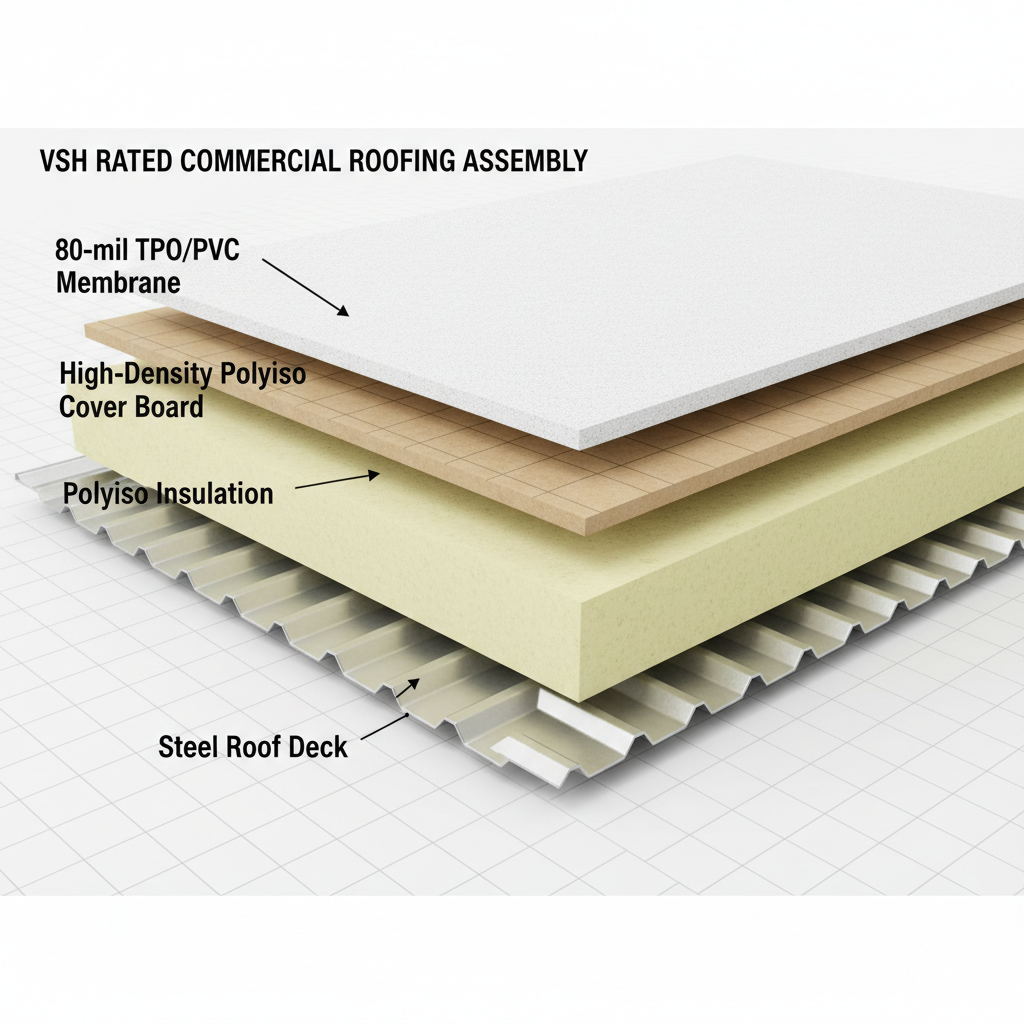
While specific components vary by manufacturer and assembly number in RoofNav, a VSH-compliant system typically includes:
- Thicker Membrane: VSH ratings almost always require an 80-mil (or thicker) single-ply membrane, compared to the 45-mil or 60-mil membranes common on standard commercial roofs. This added thickness provides substantially more puncture and impact resistance. This applies to both TPO and PVC membranes.
- Mandatory Cover Board: A high-density polyisocyanurate (polyiso) cover board is typically required directly beneath the membrane. These dense, durable high-density cover boards are essential for distributing the force of a hail impact, protecting the softer insulation layer below from being crushed or punctured.
- Specific Attachment Methods: The wind uplift requirements calculated from Data Sheet 1-7 will dictate the attachment method. In many cases, especially for taller buildings or those in higher wind zones, this may require a fully adhered application rather than mechanical attachment to achieve the necessary uplift resistance.
The Cost of Compliance vs. The Cost of Non-Compliance
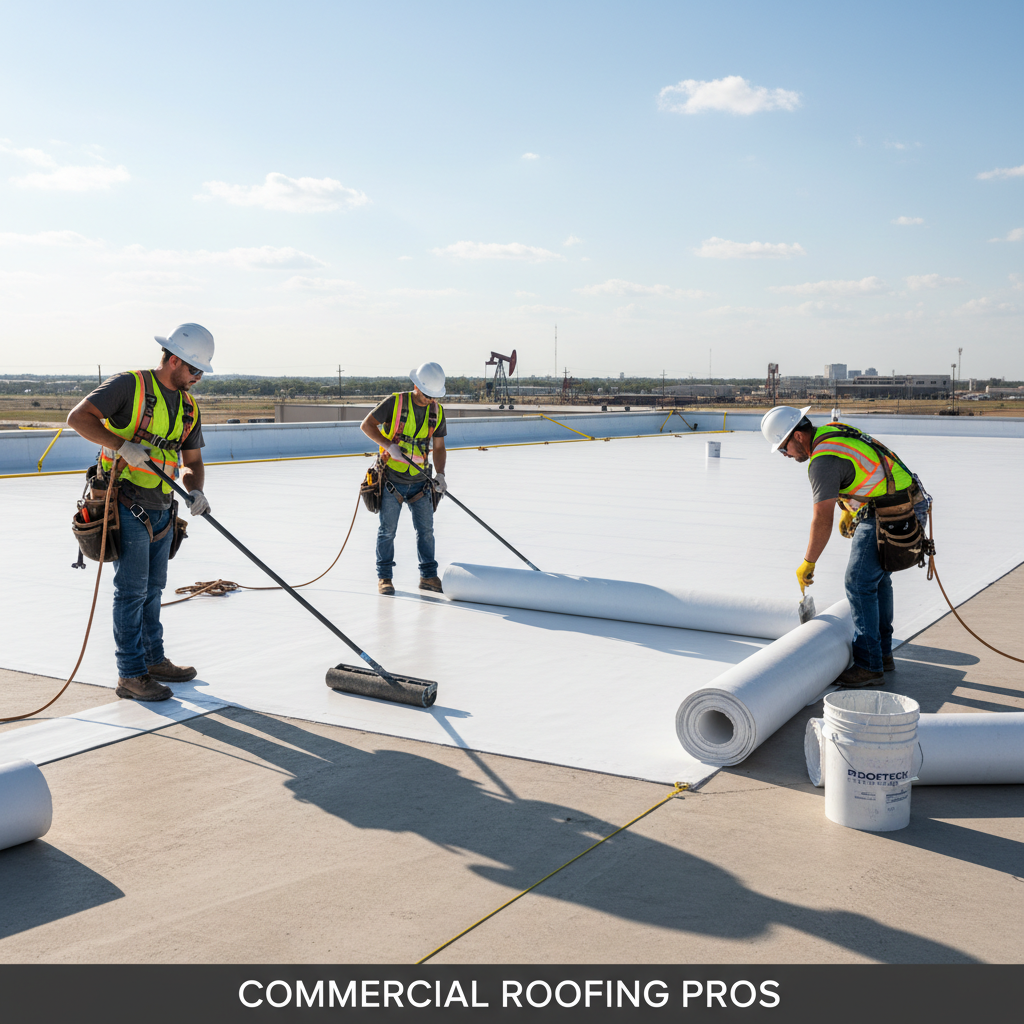
These enhanced specifications, particularly the thicker membrane, required cover board, and often a fully adhered application method, come at a premium. A VSH-rated, FM-compliant roofing system can cost anywhere from $1.50 to $3.00 more per square foot than a roof built only to minimum local code.
For a property owner who understands their FM Global obligations, this is a budgeted and expected cost of doing business and protecting their asset. The problems arise when an owner, or their chosen contractor, is unaware of these requirements.
Consider this common scenario: A property owner gets three bids for a roof replacement. Two are from contractors unfamiliar with FM Global, who bid a standard 60-mil, mechanically attached roof. The third is from an FM-savvy contractor who correctly specifies an 80-mil, fully adhered system with a cover board. The third bid appears significantly higher, and the owner, not knowing why, accepts one of the lower bids. The non-compliant roof is installed. The mistake is only discovered during the next visit from the FM Global loss prevention engineer, or worse, after a hail storm damages the new roof and a claim is filed. At this point, the owner faces serious consequences: potential claim denial, a requirement to replace the brand-new roof at their own expense, and a damaged relationship with their insurer.
The Correct Process for an FM Global Roof Project
Avoiding these costly mistakes is straightforward if you follow the correct process from the very beginning.
- Talk to Your FM Global Engineer First: Before you even request a bid, contact your assigned FM Global loss prevention engineer. Inform them of your intent to replace the roof. They are your partner in this process and will provide you with the exact performance criteria your new roof must meet, including the required wind rating and hail rating (SH or VSH).
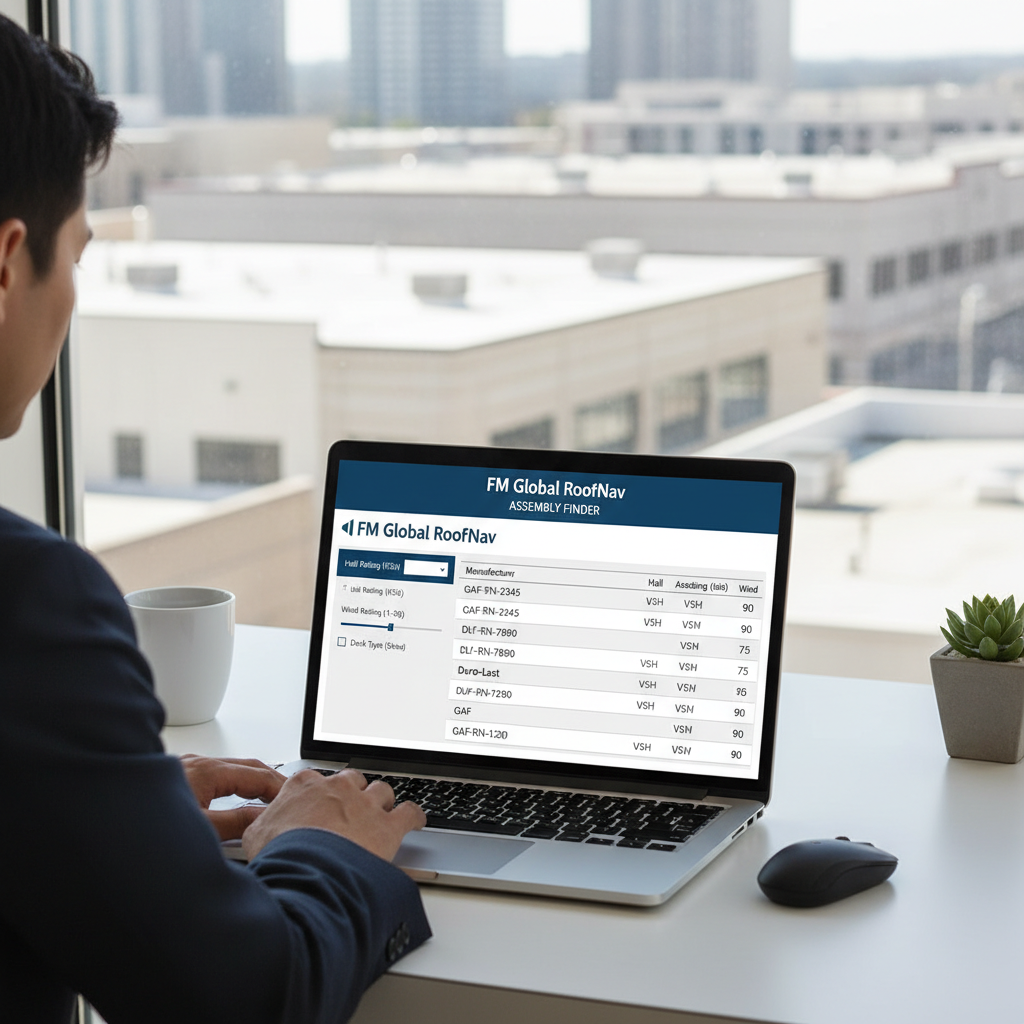
- Use the RoofNav Database: With the required ratings in hand, the next step is to identify specific roofing systems that have been tested and certified by FM Approvals to meet those criteria. This is done using FM Global’s proprietary online tool, the RoofNav database.
- Consult with a Qualified Roofing Partner: Share the FM Global requirements and potential RoofNav assembly numbers with your bidding contractors. This is the single most important step in vetting potential partners. A qualified contractor will immediately understand the documents and be able to discuss the options with you. An unqualified contractor will be confused or dismissive of the requirements. To ensure a compliant and durable installation, it's vital to consult with a qualified roofing partner who has experience in these specific systems.
Why Your Contractor's Experience is Non-Negotiable
It cannot be overstated: choosing a contractor who is experienced with FM Global projects is not a luxury, it is a necessity. An experienced contractor knows to ask if your property is FM Global-insured as one of their first questions. They understand the importance of the initial consultation with the field engineer and know how to navigate the RoofNav database to find compliant assemblies.
As a contractor with both GAF Master Elite and Duro-Last Elite Contractor certifications, TriVAN Roofing routinely works with manufacturers whose products are key components of many FM Approved assemblies. We understand the precise installation requirements that differentiate a standard roof from a VSH-rated system and have the expertise to execute them flawlessly.
For any commercial property owner with FM Global insurance, your roofing system is a core component of your risk management strategy. It is an engineered system with specific performance obligations tied directly to your insurance coverage. By understanding the process, engaging your FM Global engineer early, and partnering with a knowledgeable roofing contractor, you can ensure your project proceeds smoothly and results in a compliant, resilient, and fully insurable asset for years to come.
All 14 deliverables complete.Tags: FM Global roofing requirements, commercial roofing FM Global, FM Global data sheet 1-29, FM Global VSH rating, RoofNav approved assemblies, FM 4470 standard, severe hail roofing systems, commercial roofing contractor Texas, commercial roofing Oklahoma, GAF VSH rated roofing