
7 Preventive Roof-Maintenance Mistakes Texas Facility Managers Make and How Much They Cost
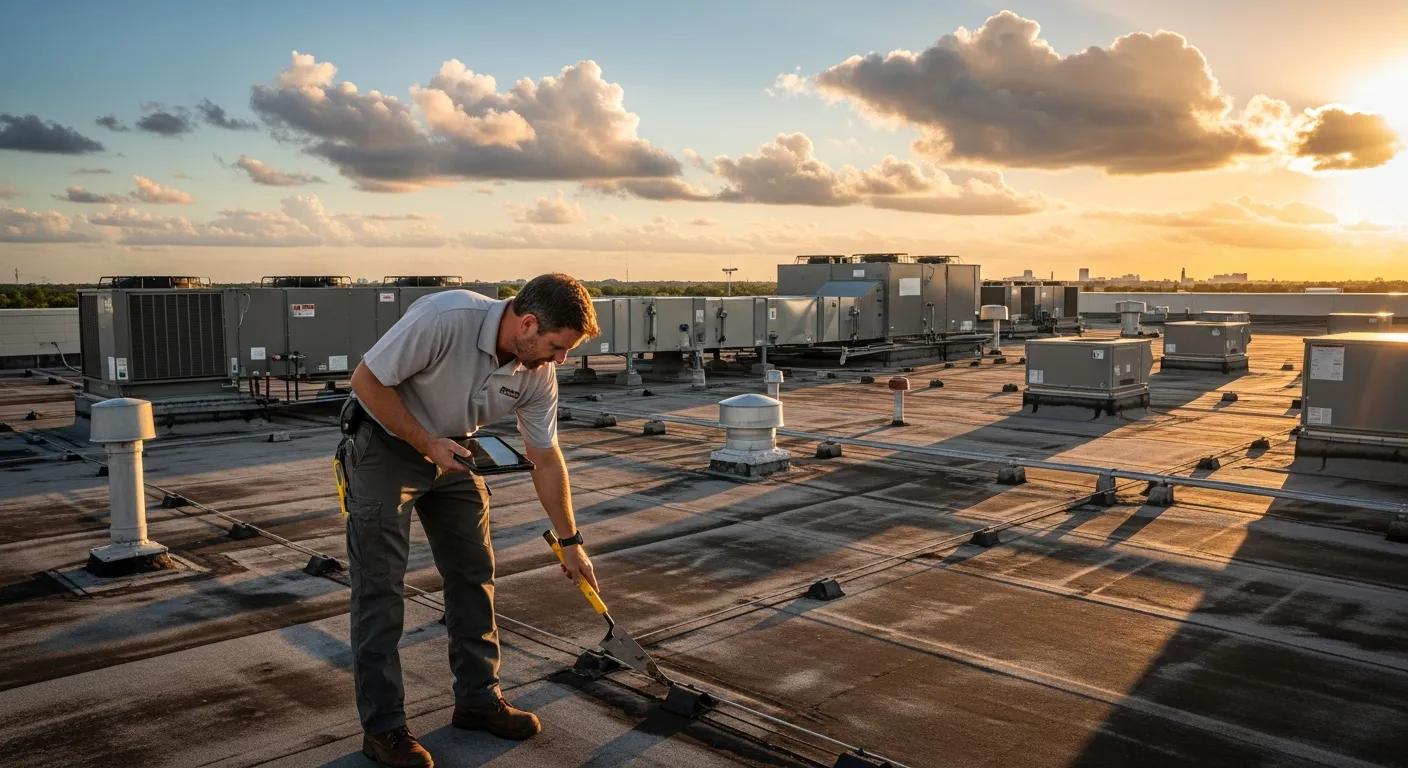
Avoid seven costly roof maintenance mistakes that increase repair costs 25-50%. Learn how Texas facility managers can prevent emergency repairs, extend roof life, and reduce expenses through proper inspections, documentation, and drainage maintenance.
Preventive roof maintenance is a critical strategy for protecting your investment and ensuring roofs perform optimally over their intended lifespan. Despite its importance, many facility managers in Texas overlook key maintenance practices, resulting in avoidable repairs and significantly increased long-term costs. This comprehensive article identifies the seven most frequent preventive-maintenance mistakes, quantifies their typical financial impact, and provides evidence-based, actionable strategies to mitigate these risks. We delve into the importance of regular inspections, early damage detection, thorough documentation, and strategic budgeting to help you maintain a resilient and cost-effective roofing program.
Top 7 Preventive Roof-Maintenance Mistakes Facility Managers Make
Small oversights can accumulate into substantial problems. The following seven errors are the most prevalent and, importantly, preventable with informed management:
-
Neglecting Regular Inspections : Forgoing scheduled inspections allows minor issues to escalate unnoticed, often culminating in costly emergency repairs.
-
Ignoring Early Signs of Damage : Failure to address minor leaks, cracks, or soft spots promptly can lead to extensive structural damage and premature roof failure.
-
Inadequate Documentation : Insufficient or absent maintenance records hinder effective planning, budgeting, and complicate warranty and insurance claims.
-
Using Inexperienced Contractors : Engaging unqualified personnel increases the risk of substandard repairs that accelerate roof degradation.
-
Overlooking Drainage Systems : Neglecting drains and scuppers results in standing water, which significantly accelerates membrane deterioration and leak formation.
-
Failing to Budget for Maintenance : Without dedicated funds for routine upkeep, minor repairs escalate into expensive emergency projects.
-
Ignoring Weather Conditions : Lack of preparation for Texas’s unique seasonal weather patterns increases vulnerability to storm and wind damage.
Recognizing and addressing these common pitfalls is essential for developing a robust, cost-effective roof maintenance program that maximizes asset longevity.
How skipping regular commercial roof inspections increases repair costs
Routine, systematic inspections are fundamental to early problem detection, enabling cost-effective repairs before issues escalate. Skipping these inspections allows minor defects such as leaks or fastener failures to progress unchecked, leading to water intrusion, mold growth, and structural compromise. Emergency repairs resulting from neglected inspections can cost several times more than the investment in regular inspections and minor fixes.
Moreover, regular inspections provide critical data on wear patterns and vulnerabilities specific to your building’s design and Texas’s harsh climate. The state’s intense solar radiation and temperature fluctuations accelerate material degradation, making timely inspections indispensable. Facility managers who implement consistent inspection schedules often extend roof service life by multiple years, yielding substantial savings by deferring premature replacements.
Why ignoring early signs of roof damage is expensive
Minor defects rarely remain static. Small issues such as hairline gaps, loose flashings, or slow leaks can rapidly worsen under Texas’s variable weather conditions, transforming manageable repairs into costly structural interventions or forcing premature roof replacement. Early detection and intervention reduce repair scope, preserve manufacturer warranties, and facilitate smoother insurance claims.
Accurately diagnosing leak sources requires specialized expertise; delays in addressing these issues invariably increase repair complexity and expense.
Preventing Roof Leakage: Strategies & Cost Impact
Identifying leakage sources is a complex process that typically necessitates collaboration with experienced roofing and waterproofing professionals. Durable, methodical waterproofing solutions are most effective when integrated during design and specification phases. Late discovery of leaks—such as during final building handovers—results in sharply increased repair and maintenance costs due to unaddressed root causes.
Need and Awareness of Leakages and waterproofing in High rise Building, B Khartode, 2024
Additional early damage indicators—such as blistering, ponding water, or granule loss on shingles—signal underlying issues that threaten the roof’s structural integrity if neglected. Facility managers should ensure maintenance personnel are trained to identify and promptly report these subtle signs to roofing specialists.
What each preventive roof-maintenance mistake typically costs facility managers in Texas
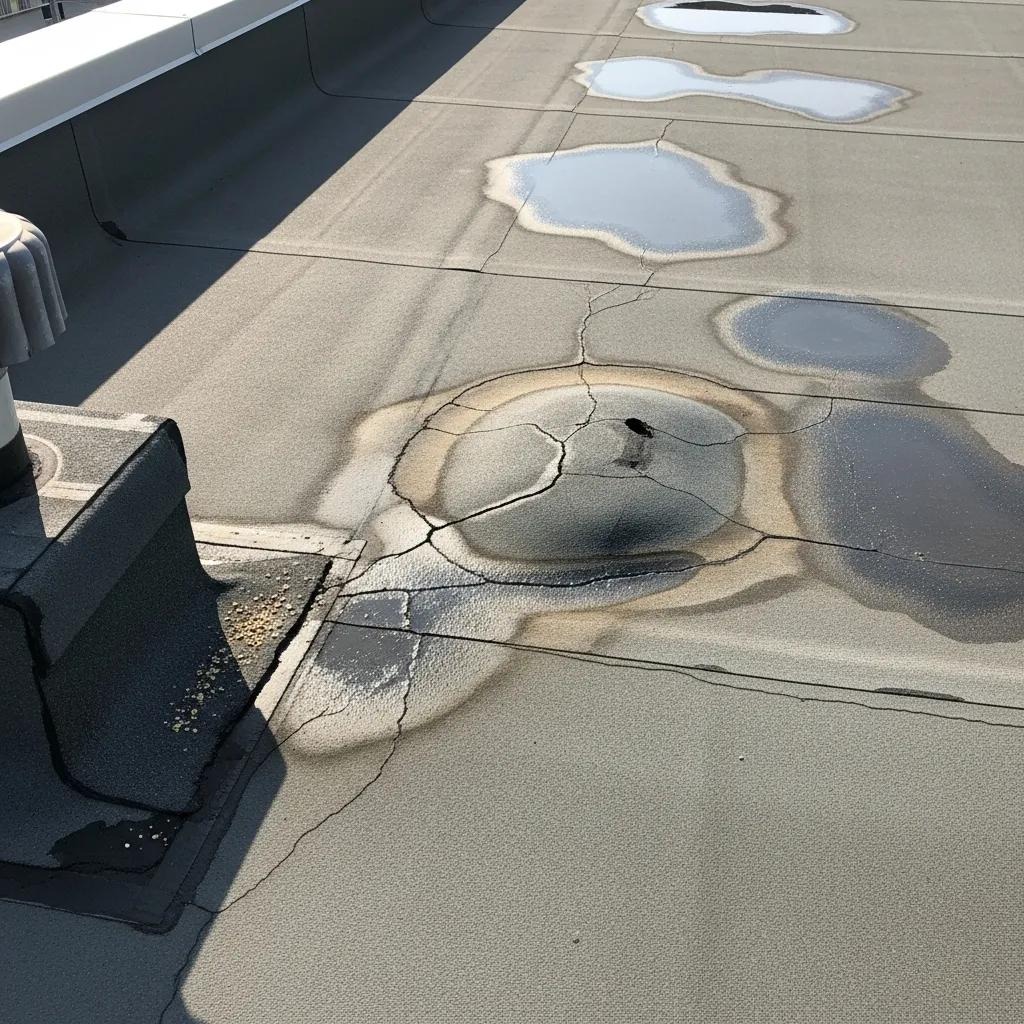
Each maintenance mistake carries a quantifiable financial burden. The following table presents typical cost ranges based on common repair scenarios, enabling facility managers to develop realistic, data-driven maintenance budgets.
|
Mistake |
Typical Cost Impact |
Prevention Strategy |
|---|---|---|
|
Neglecting Regular Inspections |
$1,000 - $6,000 for emergency repairs |
Schedule biannual inspections |
|
Ignoring Early Signs of Damage |
$2,000 - $12,000 for structural repairs |
Implement a damage reporting system |
|
Inadequate Documentation |
$500 - $2,000 for lost records |
Maintain a detailed maintenance log |
|
Using Inexperienced Contractors |
$1,500 - $7,500 for poor workmanship |
Hire certified roofing professionals |
|
Overlooking Drainage Systems |
$1,000 - $5,000 for water damage |
Regularly clean and inspect drainage |
|
Failing to Budget for Maintenance |
$5,000 - $25,000 for emergency repairs |
Create a dedicated maintenance fund |
|
Ignoring Weather Conditions |
$2,000 - $10,000 for storm damage |
Prepare roofs for seasonal weather |
Utilize these cost estimates to prioritize maintenance activities and justify preventive budgets before minor issues escalate.
Average repair costs from common maintenance errors
Repair expenses vary depending on damage severity. Minor patching or leak repairs typically range from $1,000 to $2,000, while extensive interventions—such as membrane replacement or widespread damage remediation—can reach $5,000 to $25,000. Understanding these averages facilitates informed comparisons between proactive maintenance investments and reactive emergency expenditures.
It is critical to recognize that deferred repairs often lead to compounded damage. For instance, an unattended minor leak can cause internal water damage affecting insulation, electrical systems, and interior finishes, potentially tripling the total repair cost beyond the initial roofing fix.
How a roof maintenance cost calculator helps with budgeting and cost control
Roof maintenance cost calculators are valuable tools that provide facility managers with precise cost projections for inspections, repairs, and replacements. By inputting variables such as building size, roof type, and current condition, these calculators forecast annual maintenance requirements, facilitate contingency fund allocation, and minimize unexpected expenses through early intervention.
Advanced calculators incorporate local climate data, material pricing, and labor rates, delivering tailored estimates that reflect the specific challenges of roofing in Texas. Employing these tools supports data-driven decision-making and strengthens budget justification to stakeholders.
How often should facility managers schedule commercial roof inspections in Texas?
Industry best practices recommend inspecting commercial roofs at least twice annually—preferably in spring and fall—and immediately following major storms or high-wind events. This schedule ensures timely detection of seasonal wear and storm-related damage before issues propagate.
Recommended inspection frequency to avoid costly repairs
Biannual inspections constitute a practical minimum, enabling early identification and remediation of minor defects. Additionally, post-storm inspections are essential to assess and address weather-induced damage promptly.
For roofs exhibiting known vulnerabilities or approaching the end of their service life, increased inspection frequency—such as quarterly evaluations—is advisable to closely monitor deterioration and prevent unexpected failures.
How inspection timing affects leak prevention and roof longevity
Strategically timed inspections are pivotal in preventing leaks and extending roof lifespan. Early identification of compromised flashings, membrane breaches, or drainage blockages reduces repair complexity and maximizes the functional life of roofing systems.
Scheduling inspections before and after Texas’s extreme summer heat and winter weather is particularly important. Summer thermal expansion can cause material cracking, while winter freeze-thaw cycles and ice dams impose additional stress on roofing components.
Preventive roofing services in Texas that help avoid common roof repair mistakes
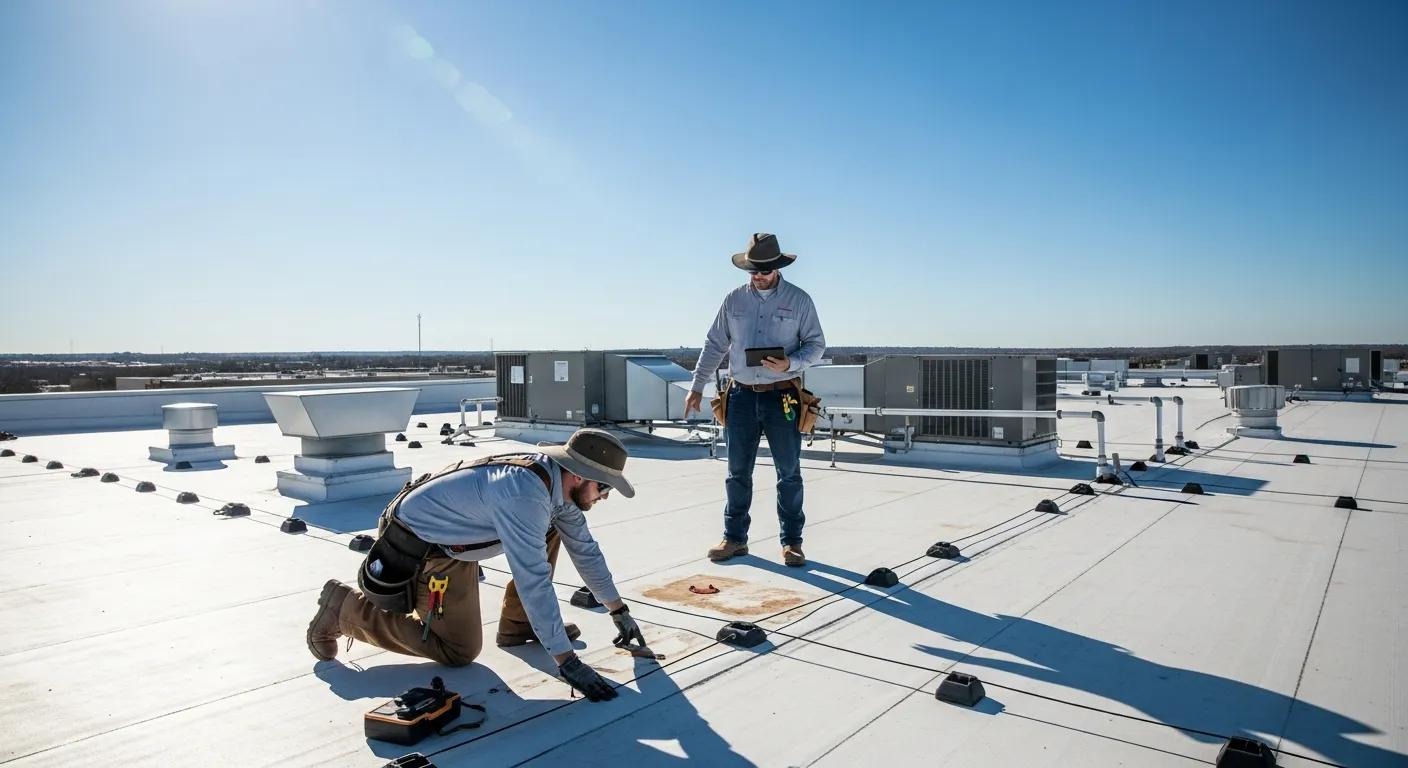
An effective preventive roofing program integrates scheduled inspections, routine maintenance, and responsive emergency services. Customized commercial roofing solutions minimize operational downtime and significantly extend roof service life.
Maintenance strategies that reduce commercial roof leak risk
Implementing the following evidence-based maintenance strategies consistently reduces leak risk and enhances roof durability:
-
Routine Inspections : Conduct regular, systematic evaluations to detect early signs of wear and damage.
-
Cleaning and Debris Removal : Remove leaves, dirt, and debris to prevent water pooling and membrane stress.
-
Prompt Repairs : Address minor defects immediately to prevent escalation.
-
Drainage System Maintenance : Maintain clear and functional gutters, downspouts, and scuppers to avoid water accumulation.
-
Roof Coating Applications : Apply protective coatings to extend membrane lifespan and enhance resistance to UV radiation and weathering.
Consistent adherence to these practices results in fewer leaks and prolonged roof longevity.
How expert roofing contractors support facility managers with preventive care
Experienced roofing contractors provide comprehensive services including scheduled inspections, meticulous documentation, and prioritized repair recommendations based on risk assessment and cost-effectiveness. Their expertise empowers facility managers to make informed, budget-conscious decisions that safeguard the building envelope.
Additionally, contractors often offer training programs for in-house maintenance teams, equipping them to identify early warning signs and perform essential upkeep safely and effectively. This collaborative approach enhances the overall preventive maintenance framework and accelerates response times.
Financial benefits of avoiding these seven maintenance mistakes
Proactively avoiding these common errors leads to substantial financial benefits, including reduced repair expenses, extended roof lifespan, and preservation of property value. A well-structured preventive maintenance program transforms reactive, unpredictable spending into manageable, lower-cost upkeep.
Beyond immediate cost savings, strategic roof maintenance is integral to comprehensive asset management, particularly in environments with constrained budgets.
Improving Roof Maintenance & Asset Management for Cost Savings
Fiscal constraints can degrade facility infrastructure when maintenance programs are insufficient. Targeted enhancements in roof maintenance and energy-retrofit planning offer clear opportunities to protect assets and reduce long-term expenditures. Geospatial analysis in a 2012 study identified deficiencies in rooftop programs and recommended strategic sourcing as a pathway to improvement.
Asset Management: Roof Maintenance and Facility Energy Retrofits, 2012
How preventive maintenance extends commercial roof lifespan and lowers costs
Consistent preventive maintenance mitigates the progression of minor defects into major failures, reducing premature roof replacement needs and lowering total lifecycle costs. Timely repairs and regular inspections preserve roof integrity and minimize unplanned financial burdens.
For instance, a properly maintained roof membrane can achieve a service life of 20 to 30 years, whereas neglect can reduce this by up to 50%. This disparity translates into significant capital expenditure savings and minimizes operational disruptions.
Case studies showing savings from proper roof maintenance in Texas
Empirical evidence underscores the value of proactive roof care. One Texas facility implementing a rigorous inspection and maintenance regimen reduced repair costs by approximately 30% over five years. Another avoided a $50,000 roof replacement by promptly addressing minor leaks. These examples demonstrate measurable financial benefits of preventive maintenance.
In a separate case, a Texas school district adopted a comprehensive preventive maintenance plan encompassing regular inspections and contractor partnerships, extending roof life by an average of seven years across multiple campuses. This extension deferred costly replacements and reallocated budget resources to other critical infrastructure projects.
Ready to protect your roof investment?
To explore how we can assist you, request a consultation for a detailed site assessment and customized maintenance plan.
Facility managers at educational institutions can benefit from specialized programs. Learn about our educational roofing services tailored to campus requirements.
For comprehensive roof care solutions, review our roofing services to identify the optimal preventive maintenance plan for your facility.
Conclusion
Preventive roof maintenance is a proven investment that yields significant cost savings and extends roof service life. By avoiding these seven common mistakes—such as scheduling regular inspections, addressing minor issues promptly, maintaining thorough documentation, and budgeting adequately—facility managers can optimize roofing performance and reduce unexpected expenses. For expert guidance in developing a tailored, reliable maintenance program, contact us today and safeguard your roof investment with confidence.
Stop Maintenance Mistakes Before They Cost Thousands
TriVAN Roofing's free commercial roof assessment identifies the maintenance gaps that lead to expensive repairs. We document current conditions, evaluate drainage systems, and deliver prioritized recommendations with cost projections so you can avoid the seven mistakes that increase facility costs 25-50%. Our Texas and Oklahoma teams understand regional weather impacts and provide inspection schedules, contractor vetting, and maintenance documentation that prevent emergency repairs.
Contact Us Today